
Understanding the light requirements of a Chinese holly is essential for ensuring its long-term health and aesthetic appeal. You must recognize that the amount of sunlight a plant receives directly affects its leaf color, growth habit, and berry production. While this species is known for its versatility, it has specific preferences that must be met for it to truly thrive in a landscape. A professional approach to light management involves finding the perfect balance between exposure and protection throughout the year.
The Chinese holly is a plant that generally performs best in partial shade, where it can enjoy the morning sun but stay cool in the afternoon. You should observe the light patterns in your garden throughout the day before deciding on a permanent planting location. Too much direct, intense sunlight can lead to leaf scorch and a general yellowing of the foliage, especially in warmer climates. Conversely, too much shade can result in a leggy, sparse growth habit and a significant reduction in the number of berries.
Light also plays a role in the plant’s ability to resist pests and diseases by influencing its metabolic rate and foliage density. You want a plant that is vigorous and strong, which requires a consistent and appropriate level of energy from the sun. A professional gardener knows how to use nearby structures, trees, and other shrubs to create a filtered light environment. By managing the light levels, you are effectively managing the overall vitality and lifespan of your botanical investment.
As the seasons change, the angle and intensity of the sun will shift, and you must be aware of how this affects your holly. A spot that is perfectly shaded in the summer might be exposed to harsh, direct light in the winter when the surrounding deciduous trees lose their leaves. Your goal is to provide a stable light environment that supports the plant’s needs in every month of the year. With a thoughtful approach to light, your Chinese holly will maintain its iconic glossy green appearance and robust form.
Optimal solar exposure for health
The ideal light for a Chinese holly is often described as dappled or filtered sunlight, which mimics its natural forest-edge habitat. You should try to place the shrub where it will receive about four to six hours of sunlight, ideally in the cooler morning hours. This allows the plant to photosynthesize efficiently without the stress of the high-intensity UV rays found at midday. Morning sun also helps to dry any dew on the leaves, which reduces the risk of fungal diseases.
More articles on this topic
In more northern climates, the holly may be able to tolerate a bit more sun than it would in the hot, humid regions of the south. You should adjust your expectations based on your specific geographic location and the intensity of the local solar radiation. If you notice the leaves becoming pale or developing brown, burnt spots, it is a clear sign that the plant is receiving too much direct light. Monitoring the plant’s reaction to its environment is the best way to fine-tune its placement.
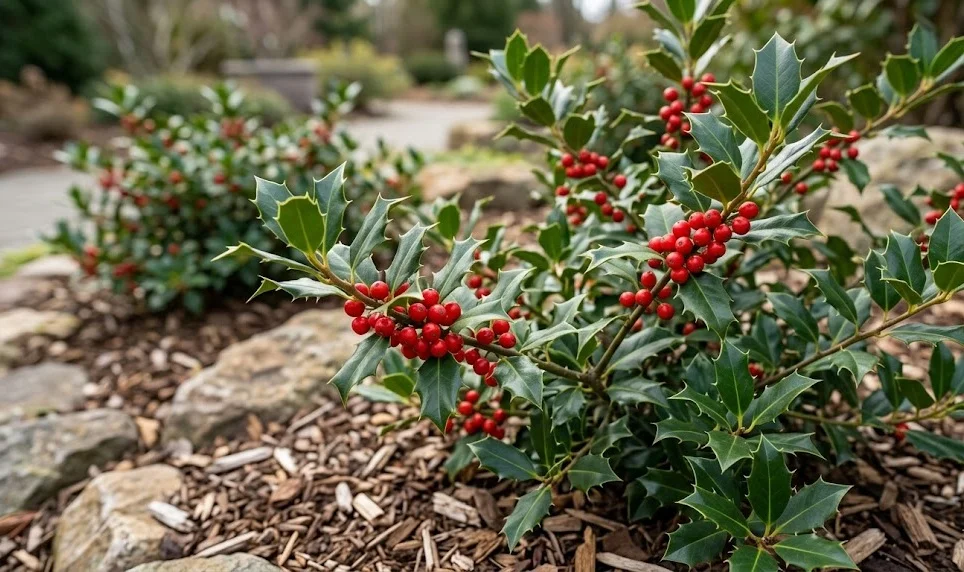
Berry production is one of the most significant indicators that a holly is receiving the correct amount of light for its needs. You will find that plants in a bit more sun tend to produce a more abundant crop of bright red berries than those in deep shade. However, this must be balanced with the health of the foliage, as a stressed plant will not have the energy to support a heavy fruit load. A professional gardener always prioritizes the overall vigor of the shrub over a single season’s berry count.
If you are planting a hedge of Chinese hollies, you must ensure that each individual plant receives an equal amount of light. You should space them carefully to prevent them from shading each other out as they grow and mature. Uneven light distribution can lead to gaps in the hedge or areas where the foliage is much thinner and less vibrant. Consistent lighting is the key to achieving a uniform and professional-looking evergreen boundary in your landscape.
Performance in shade and low-light areas
The Chinese holly is often praised for its ability to grow in shaded areas where other shrubs might struggle to survive. You can successfully use it to brighten up the darker corners of your garden or as an understory plant beneath large deciduous trees. While it may grow more slowly in these conditions, it will still maintain its dark green foliage and structural form. This shade tolerance makes it a valuable tool for professional landscape designers working with complex site conditions.
More articles on this topic
However, you should be aware that “shade-tolerant” does not mean “shade-loving” in every circumstance for this species. In very deep shade, the plant may become “leggy,” meaning the branches grow long and thin as they reach for whatever light is available. You might also notice that the foliage becomes less dense, which can compromise the plant’s use as a screen or privacy hedge. If the plant looks weak or sparse, it may be necessary to prune nearby trees to let in a bit more light.
Air circulation becomes even more critical when a holly is planted in a shaded, low-light location. You should ensure that the area doesn’t become too humid or stagnant, as this can lead to persistent issues with mold and mildew. Because the leaves take longer to dry in the shade, you must be especially careful about avoiding overhead watering in these spots. A professional approach to shade gardening involves balancing the lower light levels with excellent drainage and airflow.
Monitoring for pests is also a high priority for hollies growing in the shade, as some insects prefer the cooler, darker environment. You should regularly check for scale and aphids, which can sometimes go unnoticed on the darker foliage of a shaded plant. A healthy plant in the shade is still a robust one, but it requires a watchful eye to ensure it doesn’t fall victim to opportunistic invaders. With the right care, a shaded Chinese holly can be a stunning and elegant addition to any garden.
Managing intense summer and winter sun
High summer temperatures combined with direct sunlight can be a major stressor for the evergreen leaves of the Chinese holly. You should be prepared to provide some temporary shade during extreme heat waves if you notice the plant starting to struggle. A simple piece of shade cloth or a strategically placed patio umbrella can make a huge difference in preventing leaf burn. Keeping the plant well-watered during these periods also helps the leaves stay cool through the process of transpiration.
Winter sun presents a different kind of challenge, often leading to a problem known as sunscald or winter desiccation. You should be aware that on bright winter days, the sun can warm the leaves and trick the plant into thinking it is time to wake up. When the temperatures drop rapidly at night, the active tissues can be severely damaged by the sudden freeze. Providing protection on the south and west sides of the plant can prevent this damaging cycle from occurring.
The reflective light from white walls, windows, or light-colored pavements can also increase the intensity of the sun’s rays. You should be cautious about planting a holly too close to these surfaces, as they can bounce heat and UV radiation onto the foliage. This “double exposure” can lead to rapid drying and leaf damage that wouldn’t happen in a more open location. Understanding the physics of light in your garden allows you to avoid these hidden stressors and protect your plants.
Ultimately, the light requirements of a Chinese holly are about finding the “Goldilocks” zone—not too much, not too little, but just right. You should take pride in your ability to read the signals the plant is sending and make the necessary adjustments to its environment. Every garden is unique, and your professional observations are the most valuable tool you have for managing light. With a thoughtful and attentive approach, your holly will shine as a vibrant and healthy centerpiece in your landscape for many years.