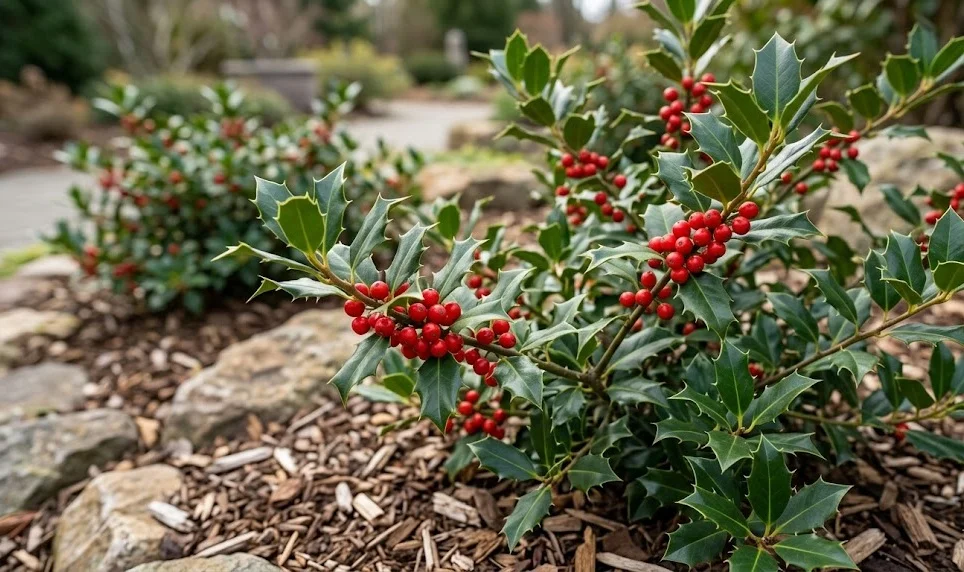

Mastering the art of pruning is essential for maintaining the structural integrity and aesthetic beauty of a Chinese holly. You must approach this task with a professional mindset, recognizing that every cut you make will influence the plant’s growth pattern for years to come. Whether you are aiming for a formal hedge or a more natural, informal shape, proper technique is the key to success. By understanding the timing and mechanics of pruning, you ensure that the plant remains healthy and vibrant throughout its life.
Pruning is not just about controlling the size of the shrub; it is also a vital tool for promoting health and vigor. You should use pruning to remove dead, damaged, or diseased wood, which prevents pests and pathogens from gaining a foothold. Thinning out the interior branches also improves air circulation and allows more light to reach the center of the plant. A professional gardener always has a clear goal in mind before they even pick up their shears or loppers.
The Chinese holly is a relatively slow-growing species, which means that any mistakes you make will take a long time to grow out. You must be precise and thoughtful with your cuts, always aiming to support the plant’s natural form and habit. Over-pruning can stress the plant and reduce its ability to produce its iconic red berries in the winter. Your goal is to work with the plant’s biological tendencies to create a specimen that is both structurally sound and visually stunning.
As a professional, you should also be mindful of the tools you use and the cleanliness of your workspace. Sharp, well-maintained equipment makes cleaner cuts that heal faster and look much better in the final landscape. You should always sterilize your tools between plants to prevent the accidental spread of diseases through your garden. With the right approach to pruning and cutting back, your Chinese holly will become a true masterpiece of horticultural skill and dedication.
Necessary tools and timing for pruning
The timing of your pruning efforts is critical for the health of the plant and the success of the following season’s growth. You should ideally perform major structural pruning in the late winter or very early spring, just before the new growth begins. This allows the plant to heal its wounds quickly as the sap begins to flow and the buds start to swell. Pruning at this time also ensures that you do not accidentally remove the flowers that will eventually become winter berries.
More articles on this topic
If you are maintaining a formal hedge, a second light pruning can be done in the early summer to tidy up any stray shoots. You should avoid heavy pruning in the late summer or autumn, as this can stimulate new growth that won’t have time to harden off before the frost. Tender new shoots are highly susceptible to winter damage, which can lead to unsightly dieback in the spring. A professional gardener always respects the natural dormancy cycles of the plant when planning their maintenance schedule.
Investing in high-quality pruning tools will make your work more efficient and produce much better results for the plant. You should have a pair of sharp bypass pruners for smaller stems and a set of loppers for thicker branches. For very large specimens, a pruning saw may be necessary to remove older wood without crushing the surrounding tissues. Keeping your blades sharp is a non-negotiable part of professional gardening, as dull tools create jagged wounds that are prone to infection.
Before you begin, you should also have a plan for disposing of the pruned material, especially if it shows any signs of disease. You should never leave diseased wood lying around the base of the plant, as it can serve as a source of re-infection. Burning or bagging the debris and removing it from the site is the safest way to maintain a clean and healthy garden environment. A professional approach to pruning is as much about the cleanup as it is about the actual cutting.
Esthetic shaping and hedging methods
When shaping a Chinese holly, you should always start by visualizing the final form you want to achieve. For a natural look, you should focus on “thinning cuts,” which involve removing entire branches back to their point of origin. This technique reduces the overall size of the shrub without destroying its characteristic architectural shape and layered foliage. Thinning also allows more light to penetrate the canopy, which keeps the interior leaves healthy and green.
More articles on this topic
If you are creating a formal hedge, you will need to use “heading cuts,” which involve cutting back the tips of the branches to encourage branching. You should always prune the hedge so that the bottom is slightly wider than the top, creating a subtle pyramidal shape. This “batter” ensures that the lower branches receive enough sunlight and don’t become thin and bare over time. A professional hedge looks like a solid wall of green from the ground all the way to the top.
You should be careful not to shear the plant too frequently, as this can create a thick “shell” of foliage that blocks out all light and air. Over time, the interior of a heavily sheared holly will become a hollow maze of dead twigs and branches. To prevent this, you should occasionally reach inside the shrub and remove a few of the larger branches to open it up. This “rejuvenation thinning” is a secret of professional gardeners for keeping old hedges looking young and vibrant.
Berry production should also be a consideration when you are deciding where and how much to prune your hollies. Since berries form on the previous year’s wood, excessive pruning in the spring can significantly reduce your winter display. If the berries are a priority, you should aim to do most of your shaping right after the berries have finished their display in the late winter. Balancing the need for a specific shape with the desire for fruit is a hallmark of a skilled and professional horticulturist.
Structural pruning and rejuvenation
Structural pruning is focused on building a strong framework that can withstand the weight of snow, ice, and strong winds. You should look for any crossing or rubbing branches and remove the weaker of the two to prevent wounds and rot. Encouraging a single central leader in younger plants can help them grow into a more stable and upright form as they mature. A well-structured plant is not only more beautiful but also much more resilient to the challenges of the outdoor environment.
If a Chinese holly has become overgrown or neglected, it may require a more aggressive “rejuvenation pruning” to bring it back to life. You can often cut these shrubs back quite hard, sometimes removing up to a third of the old wood in a single season. This stimulates the dormant buds on the older stems to produce fresh, vigorous new growth that can be reshaped over the following years. Patience is key, as it may take two or three seasons for the plant to fully recover and look its best again.
When removing large branches, you should always use the “three-cut method” to prevent the weight of the limb from tearing the bark down the trunk. The first cut is a small notch on the underside, the second is the main cut further out, and the final cut removes the remaining stub. This professional technique ensures a clean, smooth wound that the plant can easily seal over with new bark. Protecting the main trunk is the most important part of any major pruning operation on a mature shrub.
Ultimately, pruning is an ongoing conversation between the gardener and the plant that evolves over many years. You should take pride in the way your careful cuts have enhanced the natural beauty and health of the Chinese holly. Every season brings new growth and new opportunities to refine your technique and improve the landscape. With a professional approach and a steady hand, your holly will remain a stunning and well-maintained feature of your garden for generations to enjoy.