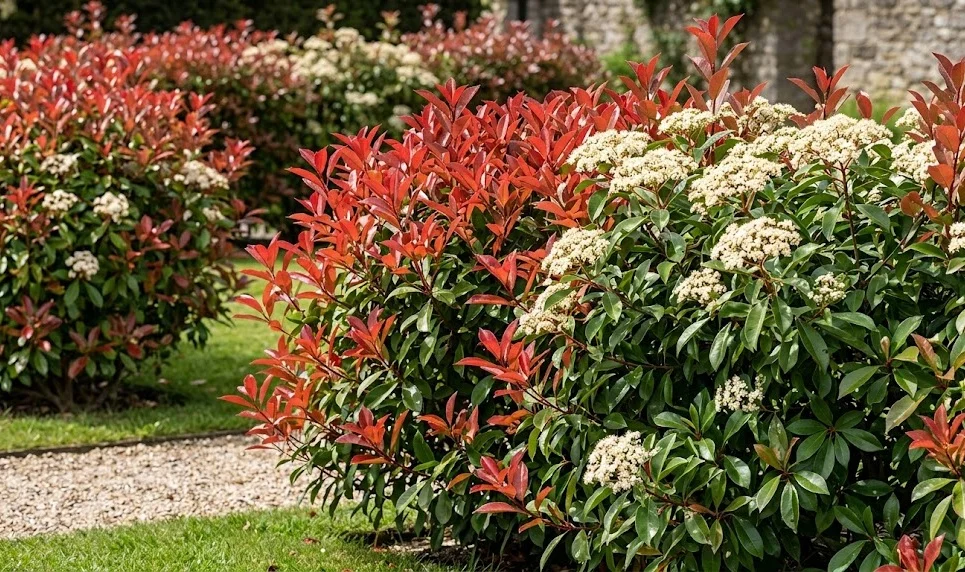

Pruning is arguably the most important maintenance task for anyone who wants to get the most out of their garden photinia. This species is prized for its red new growth, and because this color only appears on fresh shoots, regular cutting is the only way to ensure a continuous display. Beyond aesthetics, proper pruning techniques are essential for maintaining the health, density, and shape of the plant over many years. A professional approach to pruning involves understanding the timing, the tools, and the specific goals of each cut you make in the garden.
Timing and tools for the best results
The timing of your pruning is critical because it dictates how the plant will respond and how much of its famous red color you will see. For most gardeners, the primary pruning session should take place in late winter or very early spring, just before the new growth begins. This “hard prune” sets the stage for the first massive flush of red foliage that defines the spring season. You can also perform lighter “maintenance prunes” throughout the spring and early summer to encourage additional flushes of red growth later in the year.
Avoid pruning too late in the autumn, as this can stimulate new growth that will not have enough time to harden off before the first frosts. This tender new foliage is highly susceptible to cold damage, which can lead to unsightly browning and dieback that persists all through the winter. A professional rule of thumb is to stop all significant pruning at least two months before you expect the first freeze in your area. This allows the plant to properly prepare for dormancy and ensures its structural integrity during the colder months.
Using the right tools for the job is just as important as knowing when to make the cuts. For thin, green stems, a pair of sharp bypass pruners is the best choice because they make a clean, scissor-like cut that heals quickly. For thicker, woody branches, you will need a set of loppers or even a small pruning saw to ensure you aren’t crushing the wood as you cut. Sharpness is paramount; dull tools create ragged edges that are much more likely to become infected by fungal or bacterial diseases.
Hygiene is the final piece of the tool puzzle that professional gardeners never overlook. You should always clean and disinfect your pruning tools before moving from one plant to another to prevent the accidental spread of pathogens. A simple solution of alcohol or a mild bleach mixture is enough to kill most common garden diseases that might be hiding on your blades. Taking the time to maintain your tools and practice good hygiene is a small investment that pays off in the form of a healthier and more resilient garden.
More articles on this topic
Techniques for shaping and hedge density
When you are pruning for a hedge or a specific shape, the goal is to encourage the plant to branch out as much as possible to create a dense wall of foliage. Every time you cut the tip off a stem, the plant responds by activating the dormant buds lower down, leading to two or more new stems growing in its place. By repeating this process over several seasons, you can transform a leggy, thin shrub into a thick and lush feature. This “pinching back” technique is the secret to those perfectly manicured hedges you see in professional landscapes.
To maintain a healthy hedge, it is important to prune it so that it is slightly wider at the bottom than it is at the top. This “tapered” shape ensures that the lower branches receive enough sunlight to stay healthy and retain their leaves. If the top of the hedge is wider than the base, it will cast a shadow on the lower sections, eventually leading to a bare and woody bottom that looks unattractive. A professional-looking hedge is always balanced and designed with the plant’s light needs in mind.
If your photinia has become too large for its space, you can use a technique called “renewal pruning” to bring it back down to a manageable size. This involves removing about one-third of the oldest, largest branches each year for three years, cutting them back almost to the ground. This encourages the plant to produce vigorous new growth from the base, effectively rejuvenating the entire shrub without the shock of a single massive cut. It is a patient approach that yields much better long-term results than simply shearing the top off a neglected plant.
Thinning is another essential technique that involves removing some of the interior branches to improve light penetration and air flow. An overly dense canopy can become a breeding ground for pests and diseases because the center of the plant stays damp and dark. By selectively removing a few branches from the middle, you allow the entire shrub to breathe and ensure that every leaf has a chance to photosynthesize. This holistic approach to shaping ensures that the plant is as healthy on the inside as it is beautiful on the outside.
More articles on this topic
Hard pruning and rejuvenation strategies
There are times when a shrub has become so overgrown, diseased, or misshapen that a regular trim is simply not enough to fix the problem. In these cases, “hard pruning” or “rejuvenation pruning” can be used to completely reset the plant and start over with fresh growth. This involves cutting the entire shrub back to within 12 to 18 inches of the ground in the late winter while the plant is still dormant. While it can be nerve-wracking to see your large shrub reduced to a few stumps, the photinia is remarkably resilient and will usually respond with a burst of vigorous new growth.
After a hard prune, the plant will need extra care and attention as it works to rebuild its canopy from scratch. You should ensure it has plenty of water and a light application of balanced fertilizer to support the rapid growth that will follow in the spring. Because the plant’s root system is still large and established, it has the resources to push out many new stems very quickly. This is the perfect time to begin shaping the new growth from the very beginning to achieve the exact look you want for your garden.
Managing the “suckers” or water sprouts that often follow a hard prune is a key part of the rejuvenation process. These are very fast-growing, vertical stems that can quickly become unmanageable if they are not thinned out or redirected. Choose the strongest and best-positioned stems to form the new framework of the plant and remove the rest to ensure the energy is focused where it is needed most. Professional gardeners use this opportunity to correct any structural issues that the original plant might have had.
Finally, remember that pruning is a conversation between you and the plant that evolves over time. Every cut you make is a signal to the shrub about how you want it to grow and where you want it to focus its energy. By observing how the plant responds to your pruning, you will develop a “gardener’s eye” and become more confident in your techniques. Gardening is a lifelong journey of discovery, and mastering the art of pruning is one of the most rewarding skills you can acquire.