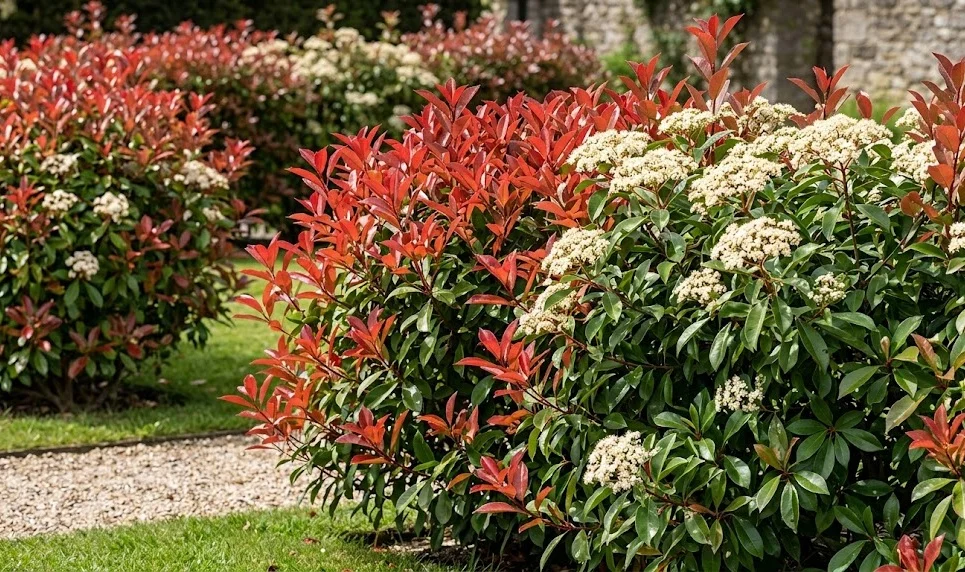

The relationship between a plant and the sun is one of the most fundamental aspects of gardening that determines everything from growth rate to leaf color. For the garden photinia, light is not just a source of energy; it is the chemical trigger that produces its most famous and desirable feature: the bright red new growth. A professional understanding of how light interacts with this species allows a gardener to place and maintain their shrubs for maximum visual impact. Whether you are dealing with a sun-drenched border or a partially shaded corner, knowing how to manage light levels is a key skill for success.
The role of sunlight in foliage color
The stunning red color that makes this shrub so popular is actually a form of protection the plant uses for its tender new leaves. These young leaves contain high levels of anthocyanins, which are pigments that act like a natural sunscreen to protect the developing tissue from intense solar radiation. As the leaves mature and become tougher, the red pigment is replaced by green chlorophyll, which is more efficient for long-term photosynthesis. Without adequate sunlight, the plant does not feel the need to produce as much of this red pigment, leading to a much duller color display.
If you want the most vibrant fire-red growth in the spring, your shrubs must be positioned where they receive a significant amount of direct sunlight. A minimum of six hours of full sun is generally recommended to achieve the best results and maintain a dense, compact growth habit. In these high-light conditions, the plant will produce more numerous and more intense red shoots that can transform the look of your garden. You will notice a clear difference between plants grown in full sun versus those tucked away in shaded areas.
Sunlight also plays a critical role in the overall health and vigor of the plant’s internal structure and root system. Strong light levels encourage the plant to produce more energy, which it uses to build strong stems and a robust network of roots. This makes the plant much more resilient to environmental stresses such as drought, pests, and disease. A well-lit plant is like a well-fed person—it has the energy and resources it needs to stay healthy and recover quickly from any challenges it might face.
The duration and intensity of the sunlight you receive can vary significantly depending on your geographical location and the time of year. In northern regions, the winter sun may be very weak, while in southern areas, the summer sun can be intense enough to cause leaf scorch if the plant is not properly hydrated. A professional gardener observes these seasonal shifts and adjusts their care routine to ensure the plant always has what it needs. Understanding the nuances of your local light conditions is the first step toward mastering the cultivation of this vibrant evergreen.
More articles on this topic
Full sun versus partial shade impacts
While this shrub is remarkably adaptable, there are distinct differences in how it grows depending on whether it is in full sun or partial shade. In a full sun environment, the plant tends to be more compact and bushy, with shorter gaps between the leaf nodes. This is the ideal condition for creating a thick, impenetrable privacy hedge that looks great from top to bottom. The glossy sheen of the mature green leaves is also more pronounced when they are regularly bathed in bright, direct sunlight.
Partial shade can be a viable option for this species, especially in regions with very hot and dry summers where the midday sun might be too intense. In these conditions, the plant will still grow well, but the growth habit will be slightly more open and less dense than in full sun. You may find that you need to prune a bit more frequently to encourage branching and prevent the plant from becoming “leggy” as it reaches for the light. The red color will still be present on the new growth, but it may be a softer shade of crimson rather than a bright, electric red.
The orientation of your garden also affects how much usable light your plants receive throughout the day. South-facing walls and borders receive the most intense and consistent sunlight, making them prime locations for maximizing leaf color. North-facing spots, on the other hand, may be in deep shadow for much of the day, which can lead to sparse foliage and a general lack of vigor. East and west-facing locations offer a mix of light levels, providing either gentle morning sun or more intense afternoon heat.
When placing your shrubs, consider how other elements in the landscape, such as large trees or buildings, will cast shadows at different times of the year. A spot that is sunny in the summer when the sun is high in the sky might be in complete shade during the winter. A professional garden designer looks at these patterns over the course of a full year to ensure the plants will have enough light to thrive in every season. Choosing the right exposure is the foundation upon which all other care and maintenance tasks are built.
More articles on this topic
Maximizing growth through light management
If you have a photinia that isn’t performing as well as you’d like, there are several professional techniques you can use to manage the light it receives. Thinning out the canopy of overhanging trees is a common way to “let the light in” and revitalize a shrub that has become thin and weak in the shade. Even a small increase in the amount of daily sunlight can have a dramatic effect on the plant’s growth rate and the intensity of its color. This kind of selective pruning benefits both the trees and the shrubs below them by improving air flow and light penetration.
For plants grown in containers, light management is as simple as moving the pots to the best possible location as the seasons change. In the spring, you can place them in the sunniest spot available to encourage a massive flush of red growth. As the summer heat intensifies, you might move them to a spot with a little bit of afternoon shade to prevent the roots from overheating and the leaves from drying out. This flexibility is one of the great advantages of container gardening for those with limited space or challenging light conditions.
Using reflective surfaces can also be a clever way to boost light levels in darker corners of the garden. Light-colored walls, fences, or even strategically placed garden mirrors can bounce extra sunlight onto your shrubs, providing them with more energy than they would otherwise receive. While this might seem like a minor adjustment, it can make a noticeable difference in the density and color of the foliage over time. Professional landscaping often uses these tricks to create a more vibrant and balanced garden environment.
Finally, remember that pruning is a form of light management within the plant’s own structure. By removing some of the older, inner branches, you allow light to reach the center of the shrub, which encourages new leaves to grow there. This prevents the “hollow” look that can sometimes affect older or neglected hedges and ensures that the plant remains healthy from the inside out. A professional gardener is always thinking about how light moves through the garden and how they can harness it to create the most beautiful results.

