
The common poppy is one of the most recognizable wildflowers in temperate regions, known for its vibrant red petals and delicate appearance. Successful cultivation begins with understanding that these plants are annuals that thrive on minimal intervention once established. To achieve a professional standard of care, it is essential to replicate their natural habitat as closely as possible within your garden. This guide provides comprehensive insights into maintaining healthy and visually striking poppy populations across various landscapes.
Essential soil characteristics for poppy health
Optimal growth for this species starts with a well-drained soil structure that prevents waterlogging around the delicate root system. While these plants are remarkably adaptable, they prefer a neutral to slightly alkaline pH to reach their full flowering potential. Loamy or sandy textures are ideal because they allow the taproot to penetrate the earth without significant resistance. Gardeners should avoid heavy clay soils that compact easily, as this can stunt the development of the plant significantly.
A nutrient-rich environment is beneficial, but the soil should not be overly saturated with nitrogen-based fertilizers. High nitrogen levels often lead to excessive leaf growth at the expense of the iconic red flowers that define the species. Preparing the site involves clearing away aggressive weeds that might compete for the limited resources available in the topsoil. A light tilling of the surface can help oxygenate the ground before the growing season begins in earnest.
Maintaining the integrity of the soil throughout the season ensures that the plants remain upright and sturdy. It is often recommended to incorporate organic matter like well-rotted compost during the initial site preparation phase. This organic addition improves the water-retention capacity of sandy soils while providing a slow release of essential minerals. Professional growers often test their soil composition annually to ensure the balance of nutrients remains favorable for wildflower development.
Compaction is a silent enemy of the poppy, especially in high-traffic garden areas where soil becomes dense over time. Walking near the flower beds should be discouraged to keep the earth light and airy for the roots. If the soil becomes too hard, the plants may struggle to absorb moisture effectively during the peak summer months. Regular observation of the soil surface can reveal whether a light hoeing is necessary to break up any crust that has formed.
More articles on this topic
Seasonal maintenance routines
As spring progresses, monitoring the growth rate of the seedlings becomes a primary task for the dedicated gardener. Thinning out the young plants is often necessary to ensure that each individual has enough space to flourish. Crowded conditions can lead to poor air circulation, which increases the risk of various fungal infections during humid weather. Aim for a distance of approximately twenty centimeters between each plant to allow for full canopy development.
The summer months require a focus on maintaining the aesthetic and biological health of the flower meadow. Removing faded blooms, a process known as deadheading, can encourage the plant to produce more flowers rather than focusing on seed production. However, if a self-sustaining population is the goal, some seed heads must be left to mature and scatter. This balance between tidiness and natural regeneration is key to a successful long-term poppy display.
During the peak of the flowering period, the stems may need some protection from heavy winds or torrential rain. While poppies are generally resilient, their tall and slender stalks can bend or break under extreme weather conditions. Planting them in clusters or near sturdier grasses can provide natural structural support that blends into the landscape. Observation after a storm is crucial to identify any damaged plants that need to be removed to prevent rot.
As autumn approaches, the life cycle of the poppy naturally comes to an end as the foliage turns brown and dry. At this stage, the plant has fulfilled its biological purpose by producing thousands of tiny seeds for the following year. Gardeners can choose to leave the dried stalks for winter interest or clear them away once the seeds have fallen. Understanding this cycle allows for a more relaxed approach to late-season maintenance without compromising the health of the garden.
More articles on this topic
Managing weed competition
Effective weed management is critical because poppies do not compete well with aggressive perennial grasses or broadleaf weeds. In the early stages of growth, unwanted vegetation can easily overshadow the small poppy seedlings and steal vital sunlight. Hand-weeding is the most precise method to ensure that the delicate poppy roots are not disturbed during the process. Maintaining a clean growing area during the first few weeks of spring sets the foundation for a successful bloom.
Mulching is generally not recommended for poppies because they require direct contact with the soil to germinate successfully. Instead, a focus on pre-sowing weed control can significantly reduce the maintenance burden later in the season. Stale seedbed techniques involve preparing the ground and allowing weeds to germinate before removing them prior to sowing poppies. This professional approach ensures a much higher success rate for the desired wildflower species.
In larger meadows, managing the balance between poppies and other wildflowers requires a nuanced understanding of plant sociology. Some companion plants can help suppress weeds without outcompeting the poppies for space or nutrients. Selecting a diverse seed mix that includes non-aggressive native species can create a more resilient ecosystem. Regular scouting for invasive species is necessary to prevent them from taking over the entire planting area.
If weeds become unmanageable, it may be necessary to reconsider the density of the poppy sowing. A higher density of poppies can sometimes act as a living mulch, shading out smaller weeds before they can establish. However, this must be balanced with the need for air circulation and space for individual plant growth. Each garden site will have its own unique weed pressure that requires a tailored strategy for control.
Environmental adaptation and resilience
The common poppy is famous for its ability to colonize disturbed ground, a trait that makes it a pioneer species. This resilience means the plant can thrive in environments where other ornamental flowers might struggle to survive. They are particularly well-suited for urban gardens, roadsides, and reclaimed industrial sites where soil quality may be suboptimal. Recognizing this hardiness allows gardeners to use poppies in challenging areas of their landscape effectively.
Extreme heat can be a challenge, but the poppy has evolved mechanisms to cope with temporary drought conditions. Their foliage is often covered in fine hairs that help reduce moisture loss through transpiration during the hottest parts of the day. Providing some afternoon shade in exceptionally hot climates can prolong the life of the individual blooms significantly. Despite their delicate look, they are far tougher than most people give them credit for.
Soil salinity is rarely an issue for this species, making it a viable option for coastal gardens where salt spray is common. They can tolerate a variety of atmospheric conditions, including higher levels of urban pollution that might affect more sensitive plants. This versatility is one of the reasons why the poppy remains a favorite for public parks and community gardens. Selecting locally adapted seeds can further enhance the resilience of the population in specific regional climates.
Frost tolerance is another key feature, as the seeds often germinate in late autumn and overwinter as small rosettes. These young plants can withstand freezing temperatures, allowing them to get a head start on growth when spring arrives. This biological strategy ensures that the poppy is one of the first flowers to appear in the landscape each year. Understanding these adaptations helps the gardener appreciate the complex survival strategies of this seemingly simple wildflower.
Supporting structural integrity
While poppies are naturally upright, certain environmental factors can cause them to lean or collapse during the growing season. High levels of soil fertility often lead to rapid, leggy growth that lacks the strength to support the heavy flower heads. To prevent this, it is best to avoid over-applying fertilizers that stimulate quick vertical expansion at the expense of stem density. A balanced approach to nutrition produces shorter, sturdier plants that can withstand the elements better.
Wind protection is a significant consideration for those living in exposed coastal or highland regions. Planting poppies in the lee of a hedge or a decorative fence can provide a necessary windbreak without blocking the sun. If the plants are grown in a very open area, light staking with bamboo or brushwood can be used discreetly. The goal is to provide support that remains invisible so as not to distract from the natural beauty of the flowers.
The density of the planting also plays a role in how well the poppies stand up against the wind. When grown in tight groups, the plants can lean on one another, creating a collective resistance to physical stress. This communal support system is often seen in wild fields where thousands of poppies grow in close proximity. Mirroring this density in a garden setting can reduce the need for artificial supports and create a more natural look.
Watering techniques can also influence the physical strength of the stems throughout the summer months. Heavy overhead watering can weigh down the blooms and cause the stalks to bend toward the ground permanently. Using a drip irrigation system or watering at the base of the plant keeps the foliage and flowers dry. This professional practice ensures that the plants remain turgid and upright even after a thorough hydration session.
Monitoring plant health and vitality
A professional gardener always keeps a watchful eye on the color and texture of the poppy foliage. Yellowing leaves can be an early indicator of nutrient deficiencies or perhaps an issue with excessive soil moisture. Healthy poppies should display a vibrant green or blue-green hue depending on the specific variety and environmental conditions. Catching these signs early allows for quick adjustments to the care routine before the plant’s health declines.
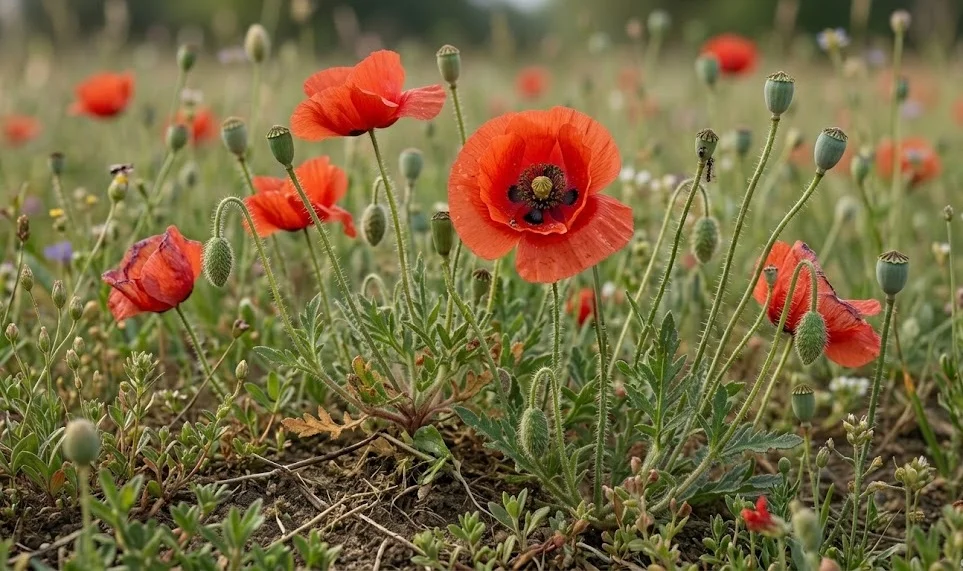
The appearance of the flower buds is another critical indicator of the plant’s overall vitality and developmental progress. Stunted or deformed buds may suggest the presence of pests or a lack of specific micronutrients like boron. Under ideal conditions, the buds should be plump and covered in healthy, bristly hairs before they eventually burst open. Regular inspection of the developing flowers ensures that any problems are addressed well before the peak blooming period.
Stem strength is a physical indicator of health that can be assessed by gently feeling the stalks. Brittle or overly soft stems may point to an imbalance in the watering schedule or a lack of structural minerals. Strong, flexible stems are a sign of a well-hydrated plant that has received the correct amount of sunlight. This tactile assessment is a valuable skill for any grower looking to master the art of poppy cultivation.
Root health is more difficult to monitor but can be inferred from the stability and growth rate of the plant. A poppy that is easily uprooted or seems to wobble in the soil may have an underdeveloped or diseased root system. Ensuring that the soil remains well-aerated is the best way to support the deep taproot that poppies rely on. A healthy root system is the silent engine that drives the spectacular visual display above the ground.
Promoting longevity and self-seeding
To ensure that poppies return year after year, the gardener must facilitate the natural process of seed maturation. Once the petals fall, the green seed pod remains and begins to swell as the seeds develop inside. These pods should be left on the plant until they turn brown and the small pores at the top open up. This state indicates that the seeds are fully ripe and ready to be dispersed by the wind or the gardener.
Shaking the dried pods over clear patches of soil is an effective way to manually assist the self-seeding process. This technique allows the gardener to control where the next generation of poppies will appear in the landscape. It is important to ensure the seeds make direct contact with the soil rather than getting caught in thick mulch. A light raking of the area after scattering the seeds can help protect them from hungry birds and extreme weather.
If you wish to store seeds for the following year, they should be kept in a cool, dry, and dark location. Paper envelopes are ideal for storage because they allow for residual moisture to escape, preventing the growth of mold. Properly stored poppy seeds can remain viable for several years, providing a backup for the garden’s population. Labeling the seeds with the date and location of collection is a best practice for any serious horticulturalist.
Ultimately, the goal of poppy care is to create an environment where the plants can complete their entire life cycle. This includes the final stage of decay, which contributes organic matter back into the soil for future generations. By respecting the natural rhythms of the poppy, you create a sustainable and ever-changing garden feature. The reward is a reliable explosion of color that heralds the arrival of the warm summer months every single year.