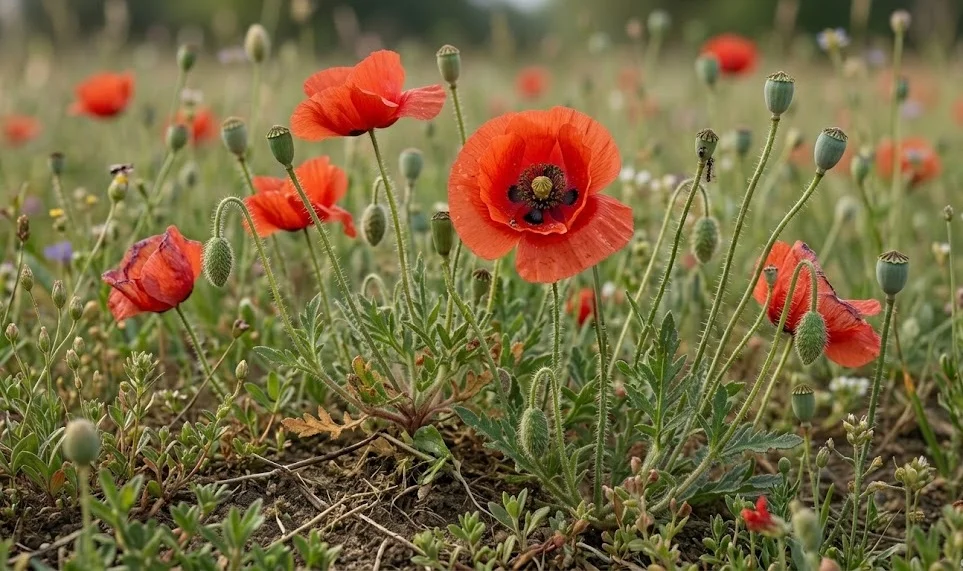

As the vibrant red petals fade and the warm days of summer draw to a close, the common poppy enters a critical phase of its life cycle. Unlike perennial plants that survive the cold months through their root systems, this annual wildflower relies on strategic dormancy and cold-hardy seedlings. Understanding how the poppy prepares for and survives the winter is essential for ensuring a successful return of the flowers in the following spring. This article explains the professional techniques for managing the overwintering process to protect the next generation of your poppy display.
The biology of seed dormancy
The primary mechanism for the common poppy to survive the winter is through its incredibly resilient seeds, which can remain dormant in the soil for many years. Each seed is protected by a tough outer shell that prevents it from germinating until the environmental conditions are perfect. This dormancy is often broken by a period of cold temperatures, which signals to the seed that winter has passed and spring is approaching. This natural process ensures that the new plants do not emerge too early and risk being killed by late-season frosts.
In a professional garden setting, allowing the seeds to drop naturally into the soil is the most effective way to facilitate this overwintering strategy. The seeds will settle into the crevices of the earth, where they are protected from the harshest winds and fluctuating surface temperatures. Some seeds may germinate in the late autumn, forming a low-growing rosette of leaves that stays close to the ground. These young plants are remarkably frost-tolerant and are designed to survive under a blanket of snow.
If you are collecting seeds for storage, it is vital to ensure they are completely dry before placing them in containers for the winter. Any residual moisture can lead to the growth of mold, which will destroy the viability of the seeds during their months of storage. Storing the seeds in a cool, dark, and dry environment mimics their natural conditions while providing an extra layer of protection from pests. Paper bags or envelopes are the preferred storage medium as they allow for a small amount of air circulation.
Understanding the “seed bank” concept is crucial for anyone looking to maintain a permanent poppy population in their landscape. Not every seed will germinate in the first spring; some will remain buried in the soil, waiting for future disturbances to bring them to the light. This biological insurance policy ensures that the poppy can survive even after a particularly harsh winter or a failed growing season. Respecting this natural persistence allows the gardener to take a more long-term view of their wildflower management.
More articles on this topic
Protecting autumn seedlings
In many regions, poppy seeds will germinate as soon as the autumn rains arrive, creating a carpet of small green rosettes before the first frost. These seedlings are the plants that will provide the earliest and most robust flowers in the coming year. While they are naturally hardy, they can benefit from some light protection if the winter is predicted to be exceptionally severe. A thin layer of loose straw or evergreen branches can provide a buffer against the drying effects of freezing winds.
It is important to avoid using heavy mulches or thick layers of wet leaves to protect these young poppy plants. Such materials can trap too much moisture against the delicate foliage, leading to rot and fungal infections during the winter months. The goal is to provide a “breathable” layer that protects from the cold without cutting off the necessary air circulation. Most of the time, a natural covering of snow is the best insulation the plants can receive.
Drainage remains a critical factor during the winter, as poppies will not survive in soil that remains saturated and frozen. If your poppy bed is located in a low-lying area, you may need to create small drainage channels to prevent water from pooling around the seedlings. Saturated soil can lead to “heaving,” where the freeze-thaw cycle pushes the small plants out of the ground, exposing their roots to the air. Firmly pressing any displaced seedlings back into the soil during a winter thaw can help them survive.
Monitoring for pests like slugs and snails is also necessary during mild winter spells when these creatures may become active. These pests can quickly devour a small poppy rosette, leaving nothing for the spring growth. Using organic slug pellets or physical barriers can help protect the seedlings during these vulnerable periods. A little bit of vigilance during the off-season ensures that your autumn-sown poppies are ready to explode into growth as soon as the weather warms.
More articles on this topic
Soil preparation for the following season
While the poppies are in their dormant state, the winter months provide an excellent opportunity to prepare the soil for the next generation. If you are planning to expand your poppy display, clearing new areas of perennial weeds while they are dormant is a professional and efficient strategy. Turning the soil over in the late winter can also help bring buried seeds to the surface, where they can receive the light they need to germinate. This mimics the historical role of agricultural cultivation that first made the poppy famous.
Adding a very light top-dressing of organic matter or a mineral-based amendment like garden lime can be done during the winter thaws. These additions have time to integrate into the soil structure before the active growing season begins in the spring. However, remember that poppies prefer a relatively “lean” soil, so do not over-apply fertilizers that might encourage excessive weed growth. The goal is to maintain a balanced environment that specifically favors the needs of the poppy.
Winter is also the ideal time to plan the layout of your garden and decide where you want the poppies to be the focal point. Because they are so mobile through their self-seeding habit, you may find that they have migrated to new areas of the garden on their own. Deciding which of these “volunteers” to keep and which to remove is a key part of the winter planning process. A well-designed poppy garden feels both natural and intentional, a balance that is achieved through thoughtful off-season preparation.
If the soil has become compacted over the previous year, a light tilling of the surface in early spring can help oxygenate the ground. Be careful not to till too deeply, as this might bury the light-sensitive poppy seeds too far down. A shallow disturbance is all that is needed to create the perfect seedbed for the millions of tiny seeds waiting for their moment. This simple act of soil management is often the secret to a truly spectacular poppy meadow.
Transitioning from winter to spring
As the days begin to lengthen and the soil temperature rises, the overwintered poppy rosettes will start to show new signs of life. This is the time to remove any protective coverings like straw or branches to allow the plants to receive full sunlight. You will notice the centers of the rosettes turning a brighter green and starting to push out new, more upright leaves. This transition phase is a rewarding time for the gardener, marking the official end of the winter dormancy.
The first few weeks of spring are also when the next wave of seeds, those that did not germinate in the autumn, will begin to sprout. These new seedlings will grow alongside the overwintered plants, providing a staggered blooming period that lasts for several weeks. Keeping the area free of early-spring weeds is essential during this time to prevent the young poppies from being overshadowed. A gentle hand-weeding session once a week is usually enough to maintain the integrity of the bed.
If the spring is particularly dry, providing some supplemental water to the emerging plants can help them establish their roots more quickly. However, be careful not to over-water, as the cool temperatures of early spring can still lead to fungal issues if the soil stays too wet. A balanced approach to hydration supports the natural growth spurt that occurs during this time. Watching the poppies transform from low rosettes into tall, budding stalks is one of the highlights of the gardening year.
Ultimately, the successful overwintering of the common poppy is about working with the plant’s natural resilience rather than trying to override it. By providing the right soil conditions and a minimum of protection, you allow the poppy to follow its ancient biological rhythms. The sight of the first red bloom in late spring is the ultimate reward for the careful management provided during the cold months. A well-overwintered poppy patch is a testament to the enduring power and beauty of this classic wildflower.