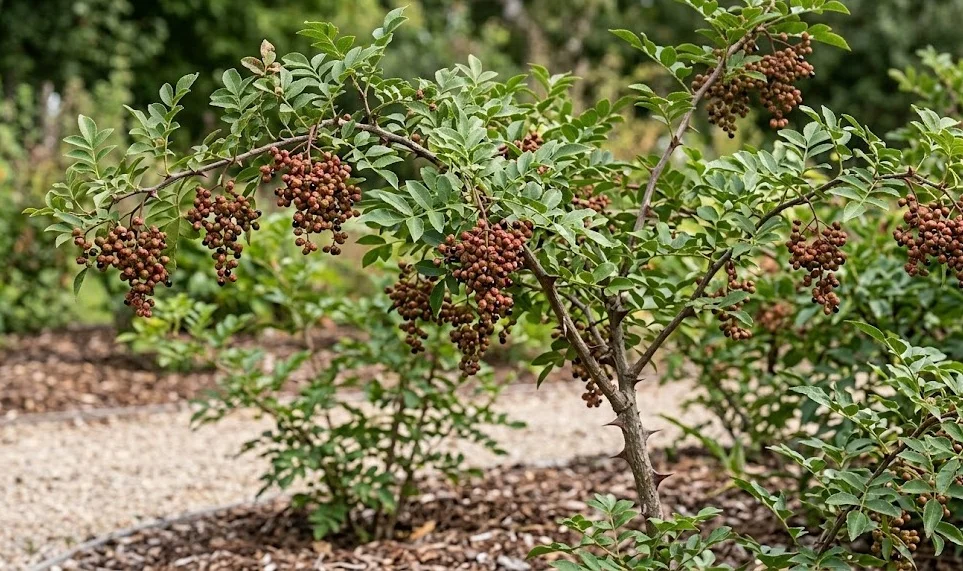

The art of pruning this thorny shrub is a task that balances the need for structural integrity with the goal of maximizing the harvest. Regular maintenance not only keeps the plant at a manageable size but also promotes the growth of the young wood that produces the most flavorful peppercorns. To do this correctly, you must approach the plant with respect for its natural defenses and a clear plan for its future form. A professional pruning routine is one of the most effective tools in your gardening arsenal for maintaining a healthy and productive specimen.
The best time to perform your main annual pruning is in the late winter or very early spring, just before the new growth begins. At this stage, the plant is still dormant, and the absence of leaves makes it much easier to see the underlying structure of the branches. You can identify the “three Ds”—dead, damaged, or diseased wood—and remove them first to clean up the plant’s overall health. This initial pass sets the foundation for the more creative and strategic cuts that will follow.
Safety is paramount when working with the Chinese prickly ash due to its large, sharp thorns that can easily pierce standard gardening gloves. You should invest in a pair of heavy-duty, puncture-resistant gloves and perhaps even long-sleeved protection for your arms. Using high-quality, sharp bypass pruners and a pruning saw for larger branches will ensure clean cuts that heal quickly and minimize stress on the plant. Taking these precautions allows you to focus on the task at hand without the constant worry of painful scratches.
The general goal of pruning is to open up the center of the shrub to allow for better air circulation and more consistent light penetration. This helps to reduce the risk of fungal diseases and ensures that the berries ripening in the interior of the canopy get the energy they need. You should aim for a balanced, natural shape that reflects the plant’s inherent growth habit rather than forcing it into a rigid, artificial form. A well-pruned prickly ash should look both tidy and vigorous, ready to burst into growth as soon as the weather warms.
Strategic thinning and rejuvenation
Thinning is a specific technique where you remove entire branches back to their point of origin on a larger limb or the main trunk. This is much more effective for maintaining a natural look than simply “heading back” or shearing the outer tips of the branches. By selectively removing the oldest, least productive wood, you encourage the plant to put its energy into vigorous new shoots. These young branches are more flexible and often produce larger clusters of flowers and fruit than the gnarled older wood.
More articles on this topic
If you are dealing with a neglected or overgrown specimen, you may need to perform a more drastic rejuvenation pruning. This involves removing up to one-third of the oldest branches each year over a period of three years until the entire plant has been refreshed. While the shrub might look a bit sparse during this process, it will respond with a flush of healthy new growth that will restore its beauty and productivity. This gradual approach is much safer for the plant than cutting everything back at once, which could lead to shock.
When making your cuts, always look for a healthy bud or a lateral branch that is pointing in the direction you want the new growth to go. By cutting just above an outward-facing bud, you can encourage the shrub to spread and maintain an open, airy center. Avoid leaving long “stubs” of wood, as these can become entry points for rot and pests as they slowly die back. A clean, slanted cut that allows water to run off is the hallmark of a professional and caring gardener.
You should also keep an eye out for any suckers that appear at the base of the plant or water sprouts that shoot vertically from the main branches. These types of growth are often very fast but contribute little to the overall structure or fruit production of the shrub. Removing them as soon as they appear ensures that the plant’s resources are used for the branches that truly matter. This ongoing attention to detail keeps the prickly ash looking its best throughout the entire growing season.
Maintaining size and harvest accessibility
For many home gardeners, keeping the prickly ash within a certain size limit is essential, especially if space is at a premium. You can manage the height and width of the shrub through regular, light pruning that keeps the branches from encroaching on pathways or other plants. It is much easier to perform small, corrective cuts every year than to try and bring a massive, overgrown plant back into bounds. Consistent maintenance is the key to a harmonious and well-ordered garden landscape.
More articles on this topic
Consider the height at which you want to harvest your peppercorns when deciding how to shape the top of the canopy. Keeping the fruiting branches within easy reach will make the late summer harvest much more enjoyable and efficient. You can prune the tallest central leaders to encourage more lateral branching at a lower level, creating a more accessible “picking zone.” This practical approach to pruning ensures that the plant’s utility is maximized along with its ornamental value.
After you have finished pruning, it is a good idea to clean up the fallen branches and dispose of them carefully to avoid any accidental injuries. The thorns remain sharp even after the wood has been cut, so they should be handled with caution and not left where someone might step on them. Some gardeners choose to burn the thorny trimmings or place them in a dedicated brush pile away from high-traffic areas. This final bit of housekeeping completes the pruning process and leaves your garden looking professional and well-maintained.
Finally, remember that pruning is a conversation between you and the plant that evolves over many years. Each cut you make will influence how the shrub grows and reacts to its environment in the seasons to come. By observing the results of your work, you will learn how the prickly ash responds to different types of pruning in your specific climate. This hands-on experience is the best way to develop the skill and intuition needed to keep your aromatic shrub in peak condition.