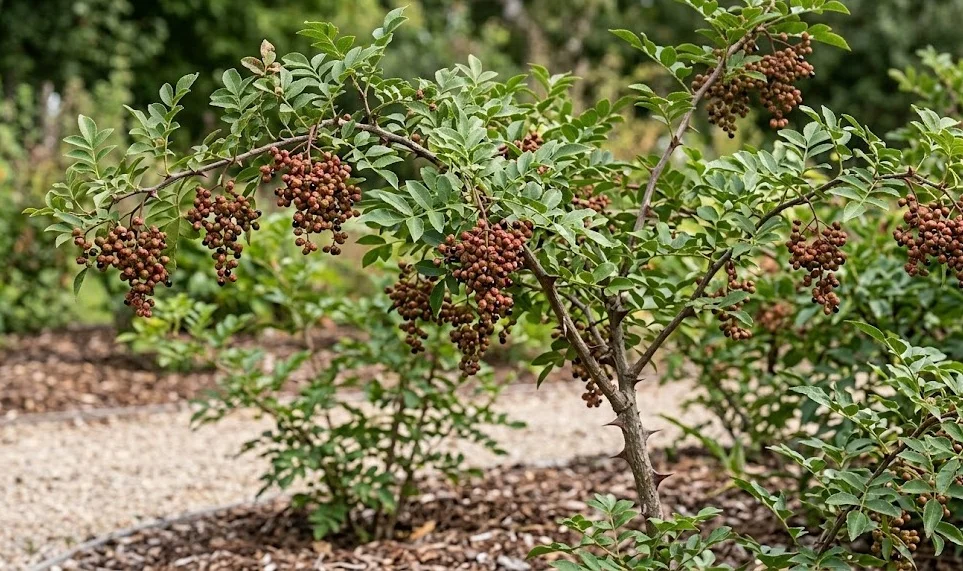

Understanding the light needs of this species is fundamental to achieving both aesthetic beauty and a successful harvest of its aromatic peppercorns. Light is the primary energy source that drives all the biological processes of the plant, from the growth of new leaves to the synthesis of essential oils. While the shrub is adaptable to various conditions, its performance can vary dramatically depending on the quality and quantity of light it receives. A professional approach to lighting ensures that your plant not only survives but truly flourishes in its assigned location.
In its native habitats, this plant often grows in open woodlands or along the edges of forests where it receives a significant amount of direct sunlight. To mimic these conditions in your garden, you should aim for a spot that provides at least six to eight hours of full sun every day. This intensity is particularly important during the late spring and summer months when the plant is actively producing its fruit. Full sun ensures that the leaves are working at their maximum efficiency, providing the sugars needed for a bountiful crop.
While the prickly ash can tolerate partial shade, you may notice that the growth becomes more leggy and the branches less dense. The production of the signature red berries is also likely to be significantly lower in shadier spots, and the fruit may lack the intense flavor and aroma of sun-ripened berries. If you must plant in a shaded area, try to ensure it receives the bright morning sun, which is less stressful than the intense afternoon heat. This balance can help the plant maintain its health even if it is not in the most ideal lighting conditions.
The orientation of the planting site also plays a role in how the light interacts with the shrub’s canopy and fruit. A south or west-facing location will generally provide the most consistent and intense light throughout the growing season. If you are planting near a building or a large wall, consider the potential for reflected light, which can increase the overall energy available to the plant. By carefully observing the light patterns in your garden across the seasons, you can select the perfect stage for your prickly ash to perform.
Impact of light on fruit quality and aroma
The characteristic “numbing” sensation and citrusy aroma of the peppercorns are directly linked to the amount of sunlight the plant receives. Sun-drenched berries develop a higher concentration of the essential oils and amides responsible for these unique culinary properties. You can almost see the difference in the depth of color in the husks when they are allowed to ripen under the full power of the sun. For the serious culinary gardener, light management is just as important as soil quality or watering.
More articles on this topic
Light also influences the timing of the flowering and ripening stages, with plants in sunnier spots often maturing their crop earlier in the season. This can be an advantage in regions with shorter summers, as it ensures the berries are ready for harvest before the first autumn frosts. If the plant is shaded for most of the day, the ripening process may be delayed, leading to a less concentrated flavor profile. Ensuring the interior of the canopy receives some light through proper pruning can also help the berries ripen more evenly across the entire shrub.
The glossy texture of the leaves themselves is enhanced by bright light, giving the shrub a healthy, vibrant appearance that is highly valued in ornamental gardening. When the sun hits the foliage, it creates a play of light and shadow that emphasizes the delicate structure of the pinnate leaves. This visual appeal is one of the main reasons many people choose to include this plant in their landscape designs. By prioritizing light, you are enhancing both the practical and the aesthetic value of your garden specimen.
It is worth noting that while the plant loves the sun, extreme heat combined with very dry soil can lead to leaf scorch. This is particularly true for young plants that have not yet established a deep enough root system to keep up with the transpiration demands. In these cases, providing some light afternoon shade during the peak of summer can prevent the leaves from burning and falling prematurely. This nuanced understanding of light and its effects is what separates the expert from the casual gardener.
Seasonal light shifts and plant response
As the seasons change, the angle and intensity of the sun shift, affecting how much light reaches your shrub at different times of the year. In the spring, the increasing light levels serve as a signal for the plant to break its dormancy and begin pushing out new growth. You will notice the buds swelling and the first tender leaves appearing as the days grow longer and the sun climbs higher in the sky. This is a period of high energy demand, and having a clear path for the sunlight to reach the plant is vital.
More articles on this topic
In the autumn, the decreasing light intensity and shorter days trigger the plant to begin its preparations for winter. The foliage may take on beautiful shades of yellow or gold as the chlorophyll breaks down and other pigments become visible. This seasonal display is a wonderful addition to the autumn garden and is most prominent on plants that have received plenty of sun throughout the year. Once the leaves fall, the architectural form of the thorny branches becomes the primary focus of interest in the landscape.
Winter light is less about energy production and more about the visual interest the plant provides in the dormant season. The low sun can catch the texture of the bark and the sharp silhouettes of the thorns, creating striking patterns against the ground or nearby structures. Even without its leaves, the prickly ash remains a presence in the garden, its form defined by the way it interacts with the cold winter light. This year-round transformation is one of the many reasons this species is so rewarding to grow and observe.
If you find that your garden has become significantly shadier over the years due to the growth of nearby trees, you may need to take action. Pruning back overhanging branches can restore the light levels your prickly ash needs to maintain its productivity and health. Staying aware of these long-term changes in the environment is part of being a responsible and attentive steward of your garden. By managing the light, you are ensuring the continued vitality and beauty of your Chinese prickly ash for many years to come.