
The cultivation of this unique shrub requires a blend of traditional horticultural wisdom and an understanding of its specific physiological needs. This plant is renowned for its aromatic peppercorns and its hardy nature, making it a favorite for both ornamental and productive gardens. To achieve the best results, one must consider the balance between its vigorous growth and the environmental factors that influence its health. Taking the time to understand its life cycle ensures a rewarding experience for any gardener looking to add exotic flair to their landscape.
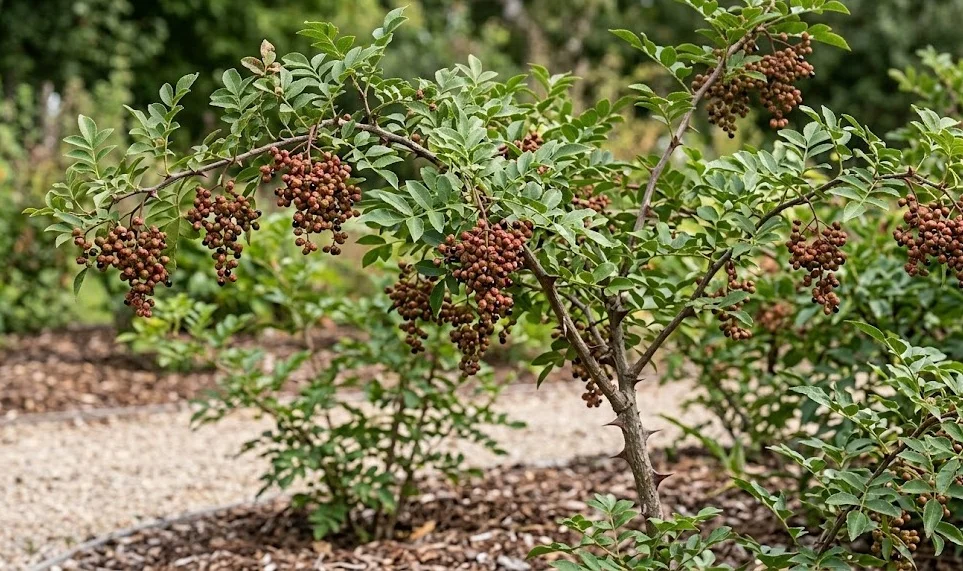
The structure of the shrub is naturally upright and spreading, often developing a dense canopy if left to its own devices. You should monitor the development of its signature thorns, as these provide both protection for the plant and a challenge for the keeper. Regular observation allows you to identify early signs of stress or nutrient deficiencies before they become problematic. Healthy foliage should maintain a vibrant green hue throughout the growing season, signaling that the roots are functioning efficiently.
Maintaining the surrounding environment is just as crucial as tending to the plant itself to ensure long-term vitality. Clear away competing weeds that might steal essential nutrients from the shallow root zone of the established shrub. Applying a layer of organic mulch can significantly improve soil structure while keeping the temperature around the roots stable. This practice not only suppresses unwanted growth but also adds a professional touch to the overall aesthetic of your garden beds.
Seasonal transitions offer the perfect opportunity to evaluate the health and structural integrity of your specimen. As the weather shifts, the plant responds by either pushing new growth or preparing for a period of rest. You should pay close attention to the bark texture and the flexibility of the branches to gauge the inner health of the wood. Consistent care during these transitional periods builds the foundation for a resilient plant that can withstand various climatic fluctuations.
Soil management and root health
The foundation of a thriving specimen lies in the quality of the soil and the space provided for root expansion. This species prefers well-drained loamy soil that allows for adequate oxygen exchange while retaining sufficient moisture. If you are dealing with heavy clay, it is advisable to incorporate organic matter to improve the drainage capacity of the site. Avoiding waterlogged conditions is paramount, as stagnant water can lead to the rapid decline of the root system.
More articles on this topic
Root development is most active during the cooler months of spring and autumn when soil temperatures are moderate. You should avoid disturbing the soil deeply around the base of the plant to prevent damage to the fine feeder roots. These roots are responsible for the majority of nutrient uptake, and their health directly translates to the vigor of the foliage. Proper aeration of the surrounding earth can be achieved through gentle surface scratching rather than deep tilling.
The acidity of the soil also plays a significant role in the availability of micronutrients required for pepper production. A slightly acidic to neutral pH range is generally considered ideal for maximizing the aromatic potential of the fruit. If your soil is excessively alkaline, you may notice yellowing between the leaf veins, a condition known as chlorosis. Amending the soil with sulfur or peat can help nudge the pH back into the preferred range for optimal growth.
Managing the soil moisture levels requires a delicate touch, especially during the peak of the summer heat. While the plant is relatively drought-tolerant once established, it performs best when the soil remains consistently damp but not soaked. You can use your fingers to check the moisture level a few inches below the surface before deciding to irrigate. This hands-on approach ensures that you are responding to the actual needs of the plant rather than a set schedule.
Enhancing fruit production and quality
For many gardeners, the primary goal of keeping this shrub is the harvest of the aromatic, tongue-numbing peppercorns. To encourage a heavy crop, you must ensure the plant receives enough energy through photosynthesis and proper nutrition. The development of flowers in late spring is a critical period where the plant requires stability in its environment. Stress during the flowering stage can lead to premature bud drop and a significantly reduced yield in the autumn.
More articles on this topic
Pollination is typically handled by local insects, but you can improve fruit set by planting nectar-rich flowers nearby to attract pollinators. Once the small green berries appear, they will gradually turn a deep red or purple-brown color as they ripen. It is fascinating to watch the husks split open to reveal the shiny black seeds nestled inside. Harvesting should occur when the husks are fully colored but before the seeds fall to the ground.
The intensity of the flavor is often linked to the amount of sunlight the berries receive during their final weeks on the branch. Berries ripened in full sun tend to have a higher concentration of essential oils and a more complex aromatic profile. You should aim to pick the fruit on a dry day to prevent mold from developing during the drying process. After harvesting, spread the husks in a single layer in a well-ventilated, shaded area to cure properly.
The seeds themselves are quite hard and are usually discarded, as the culinary value lies entirely in the dried outer husks. Once the husks are brittle to the touch, they can be stored in airtight containers to preserve their potency for several months. Using your own home-grown spices provides a level of freshness that commercial products simply cannot match. This cycle of care and harvest creates a deep connection between the gardener and the culinary traditions of East Asia.
Managing thorns and garden safety
The presence of sharp, broad-based thorns is one of the most defining characteristics of this particular botanical species. While these thorns add a unique architectural element to the garden, they require careful management to ensure safety during maintenance. You should always wear thick, puncture-resistant gloves when working closely with the branches or performing any pruning tasks. Positioning the plant away from high-traffic pathways is a wise decision to prevent accidental scratches to visitors or pets.
As the plant matures, the thorns on the older wood may become less sharp or even partially absorbed into the thickening bark. However, the new growth will always be heavily armed, demanding respect from anyone tending to the garden. You can strategically prune some of the lower branches to create a “clearance zone” near the ground level. This makes it much easier to manage the soil and mulch without constantly worrying about the prickly defenses.
In a professional landscape design, these thorns can be utilized as a natural barrier to deter unwanted animals from entering certain areas. The dense, prickly nature of the shrub makes it an excellent candidate for a defensive hedge or a focal point in a wilder garden section. You must balance this utility with the need for accessibility when it comes time to harvest the peppercorns. Planning your garden layout with the plant’s mature size and thorniness in mind will save much frustration later.
If you have children or curious pets, it is helpful to educate them about the plant’s natural defenses from an early age. The thorns are not toxic, but they can cause painful punctures if handled roughly or stepped upon. Keeping the area under the shrub clear of fallen branches is another important safety measure to observe regularly. With a bit of foresight, the thorns become just another interesting feature of this multi-faceted and rewarding shrub.
Long term health and vigor
As the years pass, your specimen will develop a more rugged and characterful appearance, reflecting the care it has received. Maintaining long-term vigor involves a combination of soil replenishment and occasional structural corrections to the canopy. You should continue to monitor the growth rate, as a sudden slowdown might indicate that the soil is becoming depleted. Periodic top-dressing with high-quality compost will keep the nutrient levels sufficient for sustained berry production.
Older plants may occasionally produce suckers from the base, which can drain energy away from the main trunk. You should remove these early in the season to maintain the desired form and ensure the plant’s resources are used efficiently. Thinning out the center of the shrub every few years promotes better air circulation and light penetration. This simple act of maintenance reduces the risk of internal dieback and keeps the foliage looking lush and healthy.
Environmental changes, such as shifting shade patterns from nearby trees, can also affect the plant’s performance over a decade. If the site becomes too shaded, you might notice the branches becoming leggy and the fruit production dropping off. In such cases, you may need to prune surrounding vegetation to restore the light levels the prickly ash craves. Staying observant and adaptable is the hallmark of a truly expert gardener who understands the living nature of the landscape.
Finally, remember that even the heartiest plants benefit from a watchful eye during extreme weather events. Whether it is an unusual heatwave or an early autumn frost, your intervention can make a significant difference in the plant’s survival. Providing extra water during droughts or temporary shade during record-breaking heat preserves the integrity of the vascular system. A well-cared-for prickly ash can live for many decades, providing beauty and spice for generations of your family.
Aesthetic integration in the landscape
Integrating this shrub into your garden design requires an appreciation for its unique texture and structural form. The pinnate leaves provide a delicate, almost fern-like appearance that contrasts beautifully with broader-leafed perennials. In the autumn, the foliage often turns shades of yellow and orange, adding a splash of seasonal color before the leaves drop. You can pair it with ornamental grasses to create a contemporary look that emphasizes movement and naturalistic beauty.
The visual appeal of the red berries against the green leaves is a highlight of the late summer garden. These clusters of fruit attract the eye and provide a sense of abundance that few other shrubs can match. Because the plant has such a strong personality, it often works best as a specimen plant or as part of a mixed shrub border. Consider how the morning or evening light hits the foliage, as the glossy leaves can catch the sun beautifully.
Using this plant in a culinary garden or a dedicated “spice corner” reinforces its practical utility while maintaining its ornamental value. Surrounding it with herbs like rosemary or sage creates a sensory experience that appeals to both sight and smell. The aromatic scent of the leaves themselves, which is released when brushed, adds another layer of enjoyment to the garden. This multi-sensory approach makes the prickly ash a centerpiece of any thoughtful landscape design.
Even in the winter, the stark silhouette of the thorny branches provides architectural interest against the snow or a gray sky. The dark, textured bark becomes more prominent, showcasing the rugged endurance of the species. By selecting companion plants that offer winter interest, such as evergreens or berrying hollies, you can create a year-round display. The prickly ash is truly a plant for all seasons, offering something new to admire every time you step outside.
Understanding the life cycle
The journey of the prickly ash from a young sapling to a mature, fruit-bearing shrub is a fascinating process to witness. In the first few years, the plant focuses heavily on establishing a deep and resilient root system. You may see relatively little top growth during this period, but rest assured that the foundation is being built beneath the surface. Consistent watering and protection from extreme wind will help the young plant navigate these vulnerable early stages.
Once established, the growth rate typically increases, and the first few clusters of flowers will begin to appear. This transition into maturity marks the beginning of the plant’s productive life, where you can start enjoying the fruits of your labor. It is important to avoid over-fertilizing during this stage, as too much nitrogen can lead to excessive green growth at the expense of berries. A balanced approach encourages the plant to find its natural equilibrium between size and productivity.
In its peak years, the shrub will reach its maximum height and width, often becoming a dominant feature in its assigned space. This is the time when the harvest will be most bountiful, and the plant’s presence will be most felt in the garden. You should continue to practice the maintenance techniques learned in the early years to sustain this peak performance. The relationship between the gardener and the plant matures just as the wood and the roots do over time.
As the plant eventually enters its senior years, it may require more frequent thinning and a bit more attention to soil health. While it may not produce as many berries as it once did, its gnarled trunk and storied branches hold a unique beauty of their own. Treating an older specimen with care ensures that it remains a healthy part of the garden for as long as possible. Each stage of the life cycle offers its own lessons and rewards for the dedicated horticulturalist.