
While these plants are generally robust and resilient in the right environment, they can occasionally fall victim to a variety of biological threats. Most problems arise when the plant is stressed by improper environmental conditions, such as too much sun or poor soil drainage. Identifying these issues early and understanding the life cycles of common pests is key to maintaining a pristine garden display. By employing a combination of cultural practices and targeted interventions, you can ensure that your collection remains healthy and vigorous throughout the entire growing season.
Understanding fungal threats
Fungal diseases are the most common issues you will encounter when growing these shade-loving perennials, especially in humid or poorly ventilated areas. Powdery mildew is a frequent visitor, appearing as a white, dusty coating on the leaf surfaces during the late summer months. While it is often purely aesthetic, a severe infestation can weaken the plant and cause the foliage to drop prematurely. Improving air circulation by thinning out nearby vegetation is one of the most effective ways to reduce the risk of mildew development.
Botrytis, or gray mold, can also become a problem if the weather remains cool and wet for extended periods during the spring. This fungus often attacks the emerging shoots or the base of the stems, causing them to turn soft and brown. You should immediately remove any affected tissue and dispose of it away from the garden to prevent the spores from spreading. Keeping the area around the base of the plant free from old debris and decaying leaves will significantly lower the chances of a botrytis outbreak.
Root rot is perhaps the most serious fungal threat, as it often goes unnoticed until the plant begins to show significant signs of decline. This issue is almost always caused by waterlogged soil that prevents the roots from receiving the oxygen they need to survive. If you notice the plant wilting despite having moist soil, or if the leaves turn yellow and fall off, root rot may be the culprit. Improving drainage or relocating the plant to a better-suited site are the only real solutions for this potentially fatal condition.
Consistent monitoring and early intervention are your best defenses against the spread of fungal spores in the garden. You should regularly inspect the undersides of the leaves and the interior of the plant for any unusual spots or discoloration. Using a copper-based fungicide or an organic sulfur spray can help manage minor outbreaks before they become unmanageable. However, the best long-term strategy is to provide the ideal growing conditions that allow the plant’s natural immune system to function at its peak.
More articles on this topic
Leaf spot and mildew management
Leaf spot diseases can manifest in various colors and patterns, often appearing as small brown or black dots that eventually merge into larger dead patches. These are typically caused by fungi or bacteria that thrive on wet foliage, so avoiding overhead watering is a crucial preventive measure. If you must water with a hose, try to do it early in the day so the leaves have plenty of time to dry before sunset. Removing and destroying infected leaves as soon as they appear will help break the disease cycle and protect the rest of the plant.
The specific type of leaf spot can sometimes be difficult to identify without a laboratory test, but the treatment is generally the same regardless of the exact cause. Maintaining healthy soil with adequate organic matter and nutrients will help the plant outgrow minor infections and produce new, clean foliage. You should also ensure that your gardening tools are sterilized after working with infected plants to avoid cross-contamination. A simple solution of diluted alcohol or a specialized garden disinfectant is perfect for keeping your shears and spades clean.
Mildew management requires a proactive approach, especially if your garden has a history of this particular issue. Some gardeners find success using a simple milk-and-water spray or a solution of baking soda and horticultural oil as an organic preventive measure. These treatments change the surface pH of the leaves, making them less hospitable to the germinating fungal spores. Applying these sprays every two weeks during periods of high humidity can keep the foliage looking pristine and green.
In cases where the mildew or leaf spot has taken over a large portion of the plant, it may be best to cut the foliage back entirely. These plants are tough and will usually send up a new flush of healthy leaves if provided with adequate water and nutrients. While this may mean losing the floral display for the year, it is often necessary to save the overall health of the specimen. Always prioritize the long-term survival of the root system and crown over a single season’s aesthetic appearance.
More articles on this topic
Common insect visitors
While many insects are attracted to the sweet-smelling flowers, there are a few that can cause damage to the foliage and stems. Aphids are sometimes found on the tender new growth in the spring, where they suck the sap and cause the leaves to become distorted. A strong blast of water from a garden hose is often enough to dislodge these pests and reduce their population to manageable levels. If the infestation is severe, an application of insecticidal soap or neem oil will quickly bring the situation under control.
Caterpillars of various species may also find the lush leaves of your perennials to be an attractive food source. While a few holes in the leaves are usually not a cause for alarm, a large population can quickly defoliate a young or stressed plant. You can hand-pick these visitors and move them to a different part of the garden where they can finish their life cycle without causing harm. Encouraging natural predators like birds and predatory wasps will provide long-term biological control for many caterpillar species.
Spider mites can become a problem during hot, dry spells, especially if the plants are situated in a location with poor air movement. These tiny pests are difficult to see with the naked eye but can be identified by the fine webbing they leave on the undersides of the leaves. Infested foliage will often take on a bronzed or stippled appearance as the mites feed on the individual plant cells. Increasing the humidity around the plant and keeping the soil moist are the best ways to deter spider mites and maintain healthy growth.
Fungus gnats are primarily a problem for young plants grown in containers or for those in excessively wet garden soil. The larvae feed on the organic matter and the delicate root hairs, which can lead to slow growth and a general lack of vigor. You can manage these pests by allowing the top inch of soil to dry out between waterings and by using sticky traps to catch the adult flies. In most cases, improving the soil drainage and adjusting your irrigation routine will resolve the issue without the need for chemical intervention.
Slug and snail control
The tender emerging shoots of these woodland plants are a favorite target for slugs and snails during the damp nights of early spring. If left unchecked, these mollusks can eat through the entire new growth, severely setting back the plant’s development for the year. You will often see the telltale slime trails on the ground or on the stems, indicating that they are active in the area. Protecting your plants during this vulnerable stage is essential for ensuring a full and healthy canopy of foliage.
Creating a physical barrier around the base of the plant can be a very effective way to deter these slimy visitors. Many gardeners use crushed eggshells, coarse sand, or specialized copper tape to make the path to the plant more difficult for slugs. Diatomaceous earth is another organic option that can be sprinkled on the soil surface, though it needs to be reapplied after heavy rain. These methods are safe for the environment and help reduce the need for more aggressive control measures.
Beer traps are a classic and surprisingly effective way to capture and kill large numbers of slugs and snails in a localized area. You can simply bury a small container in the soil so that the rim is level with the surface and fill it halfway with inexpensive beer. The yeast attracts the slugs, and they crawl in and drown, leaving your plants alone. It is important to check and empty these traps regularly to keep them functioning effectively and to maintain a clean garden environment.
Using organic iron phosphate pellets is a modern and highly effective alternative to traditional chemical slug baits. These pellets are safe to use around pets and wildlife and break down into natural soil nutrients over time. When the slugs eat the pellets, they stop feeding and crawl away to die, providing a discreet and efficient solution for the gardener. By combining these different methods, you can keep the slug population under control and enjoy the beautiful, undamaged foliage of your perennials.
Preventive health strategies
The most effective way to manage pests and diseases is to focus on the overall health and resilience of your plants. A plant that is growing in its ideal environment, with the right amount of light, water, and nutrients, will naturally be less attractive to pests. You should avoid overcrowding your plants, as this creates the humid, stagnant conditions that many diseases and insects adore. Providing a diverse garden habitat also encourages beneficial insects that will do much of the pest control work for you.
Regular sanitation is another key component of a healthy garden and involves more than just cleaning your tools. You should clear away fallen leaves and dead stems at the end of every growing season to remove potential overwintering sites for pests and pathogens. This practice breaks the life cycle of many common garden problems and ensures a clean start for the following spring. Investing a bit of time in autumn cleanup will save you a lot of work and frustration when the new growing season begins.
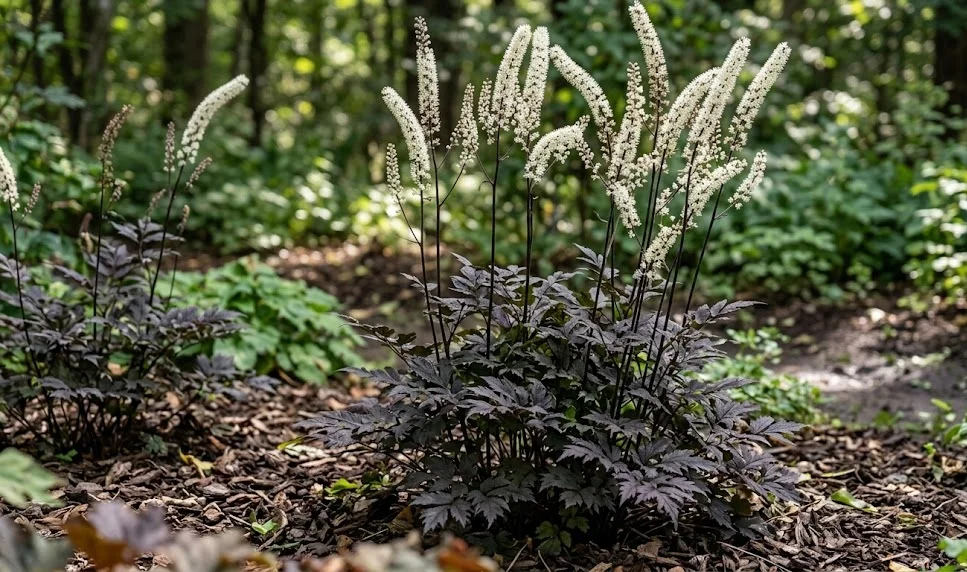
Crop rotation is not usually possible with perennials, but you can achieve a similar effect by diversifying the plants in your shade garden. Interplanting your bugbane with species that have different nutritional needs or that repel certain pests can create a more balanced ecosystem. This “companion planting” approach is a fundamental principle of sustainable gardening and helps reduce the impact of any single pest or disease. A diverse garden is a resilient garden that can better withstand the challenges of the natural world.
Finally, trust your intuition and your growing knowledge of your plants’ specific needs and habits. If something looks “off,” take the time to investigate and identify the root cause rather than just treating the symptoms. Early detection is almost always the key to a successful outcome when dealing with garden pests and diseases. Your dedication and observation will be rewarded with a spectacular and healthy display that brings joy to everyone who visits your garden.