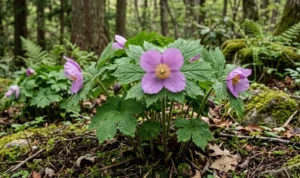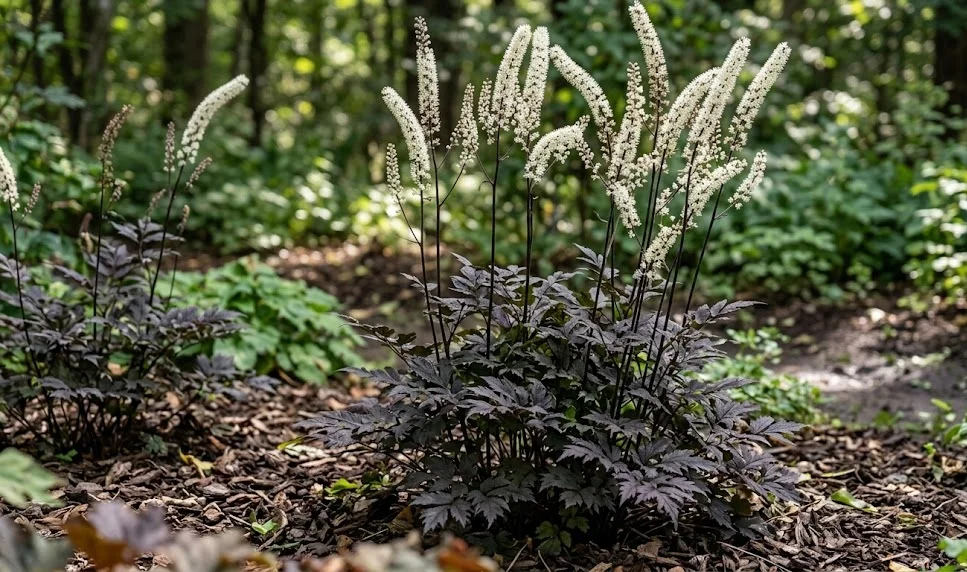

Caring for these elegant woodland perennials requires a deep understanding of their specific environmental preferences and biological needs. These plants are prized for their towering flower spikes and deeply serrated, often dark foliage that adds architectural interest to any shaded garden. Success with this species depends on maintaining a delicate balance between moisture, soil quality, and light exposure throughout the growing season. When managed correctly, these plants become a long-lived staple that provides late-summer beauty and a hauntingly sweet fragrance to the landscape.
Creating the perfect environment
The foundation of successful care begins with selecting a location that mimics the natural woodland habitat where these plants thrive. You should look for a spot that offers dappled sunlight or consistent shade, as intense afternoon sun can scorch the delicate leaves. Protecting the plant from harsh winds is also essential because the tall flower spikes can become top-heavy and snap under pressure. Air circulation must be adequate to prevent stagnant conditions, yet the area should remain humid enough to support lush foliage growth.
Maintaining consistent moisture levels is perhaps the most critical aspect of daily care during the peak growing months. Unlike many other perennials, these plants do not tolerate drought well and will quickly show signs of distress if the soil dries out completely. You will notice the leaves drooping or the edges turning brown if the water supply is insufficient during a heatwave. It is helpful to check the soil moisture levels by hand to ensure the root zone remains cool and damp but never waterlogged.
Soil quality plays a vital role in the overall vigor and longevity of the plant within your garden design. These specimens prefer deep, fertile soil that is rich in organic matter and capable of retaining moisture without becoming swampy. Incorporating well-rotted leaf mold or compost into the surrounding area helps create the spongy texture that these woodland plants adore. Proper soil structure allows the roots to expand easily while providing the necessary nutrients for producing high-quality flower spikes later in the year.
As the plant matures, you may find that the impressive height of the flowering stems requires some form of physical support. While the stems are generally sturdy, heavy rain or sudden gusts of wind can cause them to lean or sprawl across neighboring plants. Using subtle bamboo stakes or specialized plant supports early in the season ensures that the growth remains upright and elegant. This proactive approach prevents damage to the crown and maintains the clean, vertical lines that make this plant so visually striking.
More articles on this topic
Soil health and structural integrity
Healthy soil serves as the primary engine for the impressive growth rates observed in established bugbane colonies. You should aim for a slightly acidic to neutral pH level, as this range optimizes nutrient uptake for the plant’s metabolic processes. If your soil is naturally sandy or heavy clay, significant amendments will be necessary to achieve the right consistency for long-term health. Regular applications of organic mulch can help stabilize the soil chemistry while suppressing weeds that compete for vital resources.
The physical structure of the ground directly influences how well the root system can support the heavy canopy of foliage. When the soil is too compacted, oxygen cannot reach the roots, leading to slow growth and a general lack of vitality. You can improve aeration by avoiding heavy foot traffic around the base of the plant and by occasionally loosening the top layer of soil. A healthy soil ecosystem full of beneficial microbes and earthworms will further enhance the structural integrity of the growing medium.
Monitoring the drainage capacity of your chosen site is essential for preventing root-related issues during the rainy season. While these plants enjoy moisture, sitting in standing water for extended periods can lead to oxygen deprivation and root rot. You can test the drainage by observing how quickly water disappears from a small hole dug near the planting site. If the water remains for several hours, you might consider planting on a slight mound to encourage better runoff and soil aeration.
Organic matter serves as a slow-release reservoir for moisture and essential minerals that the plant draws upon throughout the summer. Adding a layer of composted bark or leaf litter every spring replenishes the nutrients lost during the previous growing cycle. This practice also helps maintain a cooler soil temperature, which is particularly beneficial during the hottest weeks of July and August. Over time, this consistent enrichment creates a thriving micro-environment that allows the plant to reach its full genetic potential.
More articles on this topic
Aesthetic maintenance and foliage care
The striking appearance of the foliage is one of the primary reasons gardeners choose to include this plant in their collections. To keep the leaves looking their best, you should regularly inspect them for any signs of mechanical damage or environmental stress. Dust and debris can sometimes accumulate on the large leaf surfaces, which may interfere with the plant’s ability to photosynthesize effectively. A gentle rinse with a garden hose can refresh the appearance of the plant and keep the colors vibrant and deep.
Color retention in the dark-leaved varieties is heavily influenced by the quality of light and the overall health of the specimen. If you notice the foliage beginning to fade or turn a muddy green, it may be receiving too much shade or suffering from a lack of nutrients. Providing the right amount of light will ensure that the deep purple or bronze hues remain intense and provide a sharp contrast to surrounding greenery. Consistent care results in a plant that looks like a living sculpture within the garden beds.
Removing damaged or yellowing leaves throughout the season helps maintain a tidy appearance and focuses the plant’s energy on healthy growth. You should use sharp, clean shears to make precise cuts at the base of the leaf stem to avoid leaving unsightly stubs. This practice also improves light penetration to the lower parts of the plant and reduces the hiding spots for potential garden pests. Regular grooming ensures that the focus remains on the beautiful textures and the upcoming floral display.
The transition from foliage growth to flower production is a critical phase that requires careful observation from the gardener. As the flower buds begin to form at the tips of the stems, the plant’s demand for resources will increase significantly. You should ensure that the plant is well-supported and hydrated during this time to prevent the buds from blasting or drying out. A healthy plant will produce long, graceful racemes that can reach several feet in height and perfume the entire garden.
Seasonal care cycles
The annual lifecycle of these perennials requires different management strategies depending on the current stage of growth. In the early spring, your primary focus should be on clearing away old debris and providing a fresh layer of mulch to support new shoots. Watching for the first purple-tinted stems to emerge from the ground is an exciting time that signals the start of the gardening year. Protecting these tender new growths from late frosts will ensure a strong start for the rest of the season.
During the height of summer, the priority shifts toward moisture management and supporting the rapidly expanding canopy of leaves. You will need to monitor the weather closely and adjust your watering schedule to compensate for high temperatures and dry spells. Applying a liquid seaweed extract can provide a boost of micronutrients that helps the plant cope with environmental stressors. This period is also the best time to check for any early signs of pests that might be attracted to the lush growth.
As autumn approaches, the spectacular floral display becomes the centerpiece of the garden, often lasting well into the cooler months. You can enjoy the fragrance and the sight of pollinators flocking to the nectar-rich flowers during the late afternoon sun. There is no need to rush into cutting the plant back, as the fading flower spikes and changing leaf colors provide interest in the fall landscape. Allowing the seeds to ripen can also provide a food source for local birds and add a naturalistic feel to the garden.
Winter care involves preparing the plant for dormancy and ensuring that the crown is protected from extreme temperature fluctuations. Once the foliage has completely died back after a hard frost, you can trim the stems down to a few inches above the ground. Applying a thick layer of protective mulch over the root zone will help prevent frost heaving, which can expose the delicate roots to the air. This period of rest is vital for the plant to gather the energy needed for a vigorous comeback in the following spring.
Placement and garden design
Integrating these tall perennials into a garden layout requires a thoughtful approach to scale, texture, and color coordination. They are most effective when planted in groups or as a focal point at the back of a shaded border where their height can be appreciated. You should consider the ultimate spread of the plant to ensure it has enough room to expand without crowding out its neighbors. Placing them near lighter-colored plants, such as silver ferns or hostas, creates a dramatic visual contrast that highlights the dark foliage.
Pathways and seating areas are excellent locations for these plants because of the incredible fragrance they release when in bloom. You can enjoy the sweet, jasmine-like scent more effectively if the plants are situated where the air remains relatively still. The sight of the white or pale pink flower spikes swaying in the breeze adds a sense of movement and grace to the garden. It is important to ensure that the soil in these areas is not overly compacted by foot traffic to keep the root systems healthy.
Using these plants in a woodland-style garden allows them to blend naturally with other shade-loving species and native understory plants. They pair beautifully with large-leaved perennials and delicate grasses that thrive in the same moist, cool conditions. You can create layers of interest by planting spring bulbs around the base of the bugbane, as the emerging foliage will eventually cover the fading bulb leaves. This succession of growth ensures that the garden bed remains attractive from early spring until the first snow.
Considering the view from inside the home can also influence where you choose to place these impressive garden specimens. The tall flower spikes can be seen from a distance, making them an excellent choice for framing views or softening the lines of a fence. Watching the interaction between the plant and local wildlife, such as butterflies and hummingbirds, adds another layer of enjoyment to the gardening experience. Strategic placement ensures that you get the most aesthetic value out of your investment in these beautiful perennials.
Managing height and structure
The verticality of these plants is their most defining characteristic, but it can present challenges if the growth becomes unbalanced. You should monitor the stems as they grow to ensure they are rising straight and not leaning too far toward a light source. If the plant is in a location that is too dark, it may become “leggy” and lose the structural integrity needed to support its own weight. Rotating nearby plants or thinning out overhead branches can help provide the more uniform light needed for balanced growth.
Providing physical support doesn’t have to be unsightly or complicated if you plan ahead and use the right materials. Dark-colored stakes or circular support grids can be placed over the young shoots in the spring and will soon be hidden by the expanding foliage. As the stems grow through the grid, they are naturally held in place, preventing them from flopping over during heavy summer storms. This method is much more effective and visually appealing than trying to tie up a mature, heavy plant later in the season.
The density of the foliage can sometimes lead to a lack of light reaching the interior of the plant, which may cause lower leaves to drop. You can gently thin out some of the smaller, inner stems if the plant becomes too congested and air movement is restricted. This practice encourages the plant to put more energy into the main flowering stems and results in a more robust and healthy specimen. Maintaining a balance between a full appearance and a healthy internal structure is key to long-term success.
The timing of the floral display is another factor that influences how the structure of the plant is perceived in the garden. Because the flowers appear late in the season, the plant must maintain its structural integrity through months of summer heat and wind. Providing consistent water and nutrients ensures that the stems remain turgid and strong until the very end of the flowering period. A well-grown plant will stand tall and proud, serving as a beacon in the late-summer garden when many other plants are beginning to fade.
Long-term garden success
Ensuring the longevity of your perennials involves more than just daily maintenance; it requires a commitment to soil health and periodic rejuvenation. Every few years, you should evaluate the vigor of the clump to see if it is becoming too crowded or if the center is starting to die out. While these plants generally dislike being moved, a careful division can revitalize an older specimen and give it a new lease on life. This process is best performed in the early spring just as the first signs of growth appear.
Maintaining a detailed garden journal can help you track the performance of your plants and identify patterns in their growth over several years. You can record the dates when the first shoots appear, when the flowers open, and how the weather affected the overall health of the foliage. This information is invaluable for making informed decisions about future feedings, watering schedules, or potential relocations. Learning the specific rhythms of your own garden’s microclimate will make you a more effective and intuitive gardener.
Community involvement and sharing experiences with other gardeners can also enhance your success with this particular species. Many gardening enthusiasts have developed unique tips for managing soil moisture or protecting plants from local pests that are specific to your region. Exchanging photos and stories can provide inspiration and help you troubleshoot any issues that may arise during the growing season. Gardening is a continuous learning process, and these impressive plants offer plenty of opportunities for observation and discovery.
Ultimately, the goal of caring for these magnificent perennials is to create a sustainable and beautiful environment where they can thrive for decades. By respecting their need for shade, moisture, and rich soil, you are rewarded with a garden feature that is truly world-class. The effort put into their care is returned manifold when the first sweet-scented flowers open in the cooling air of late summer. These plants are a testament to the rewards of patient, informed gardening and the enduring beauty of the natural world.