
Providing the right amount of hydration and nutrition is the cornerstone of maintaining a healthy and vibrant display of these woodland giants. Because they are native to moist forest environments, their physiological processes are heavily dependent on a consistent and reliable supply of water. In addition to hydration, a balanced approach to soil fertility ensures that the plant has the energy required to produce its massive foliage and impressive floral spikes. Understanding the specific needs of your plants will allow you to tailor your maintenance routine to the unique conditions of your own garden site.
Fundamental water requirements
The water needs of these perennials are significantly higher than many other garden plants, especially during the peak of the summer growing season. You should aim to keep the soil consistently damp to the touch, resembling the texture of a wrung-out sponge. If the soil is allowed to dry out completely, the plant will quickly respond with wilting leaves and a general loss of vigor. In extreme cases, drought stress can lead to the premature death of the foliage, which ruins the aesthetic appeal of the plant for the rest of the year.
During periods of high heat or low humidity, the rate of evaporation from the large leaf surfaces increases dramatically, requiring more frequent irrigation. You should check the moisture levels daily during a heatwave to ensure that the roots are not suffering in the hot, dry soil. Deep watering is much more beneficial than light sprinkling, as it encourages the roots to grow deeper into the ground where moisture is more stable. This builds a more resilient plant that is better able to withstand the occasional lapse in your watering schedule.
Morning is the ideal time to water your plants, as it allows the foliage to dry before the cooler temperatures of evening arrive. Wet leaves at night can create a perfect environment for fungal diseases to take hold and spread throughout the plant. By watering early in the day, you also ensure that the plant has a full reservoir of moisture to draw upon as the sun gets higher and temperatures rise. This proactive approach helps prevent the mid-afternoon wilt that often affects large-leaved plants in the heat of the day.
Using a rain gauge or a simple soil moisture meter can help you take the guesswork out of your irrigation routine and prevent overwatering. While these plants love moisture, they do not like to sit in stagnant, waterlogged soil, which can lead to root suffocation and rot. If you notice the soil staying saturated for long periods, you may need to improve the drainage or reduce the frequency of your watering. Finding the “sweet spot” of moisture is a skill that comes with observation and experience in your specific garden environment.
More articles on this topic
Advanced irrigation techniques
Soaker hoses or drip irrigation systems are highly effective ways to deliver water directly to the root zone where it is needed most. These methods minimize water waste through evaporation and keep the foliage dry, which is essential for maintaining plant health. You can set these systems on a timer to ensure consistent delivery, even when you are away from home or busy with other tasks. This automated approach provides a level of reliability that is difficult to achieve with manual watering alone.
Hand-watering allows you to inspect the plant closely and notice any early signs of stress or pest activity that you might otherwise miss. You should direct the stream of water at the base of the plant, avoiding the crown and the delicate emerging shoots. This focused application ensures that the water penetrates deep into the root ball rather than just wetting the surface of the soil. It also gives you a chance to appreciate the growth and beauty of the plant up close on a regular basis.
Mulching is a powerful tool for conserving soil moisture and reducing the amount of supplemental water you need to provide. A thick layer of organic mulch acts as an insulating blanket, keeping the soil cool and slowing down the process of evaporation. As the mulch breaks down over time, it also improves the soil’s ability to hold onto water by increasing the amount of organic matter. This cycle of enrichment creates a more self-sustaining environment that requires less intervention from the gardener.
Collecting and using rainwater is an environmentally friendly way to meet the high water demands of your woodland perennials. Rainwater is naturally soft and free from the chemicals often found in municipal tap water, making it a better choice for sensitive plant roots. You can easily set up a rain barrel to capture runoff from your roof and use it to supplement your irrigation needs during dry spells. Your plants will respond positively to the natural purity of rainwater, showing improved growth and overall health.
More articles on this topic
Soil nutrition and organic matter
Fertility in a woodland garden is naturally maintained through the constant decomposition of organic material on the forest floor. You can mimic this process by regularly adding compost, leaf mold, or well-rotted manure to the area around your plants. This organic approach provides a wide range of essential nutrients in a slow-release form that the plant can easily absorb. Over time, this consistent feeding builds a rich, living soil that supports a diverse community of beneficial microbes and fungi.
Applying a layer of high-quality compost every spring is one of the best things you can do to ensure the long-term health of your plants. This simple task replenishes the nutrients used during the previous growing season and improves the overall structure of the soil. You should spread the compost evenly around the base of the plant, being careful not to bury the crown or the emerging stems. This annual boost provides the foundation for the massive growth that defines this species in the summer months.
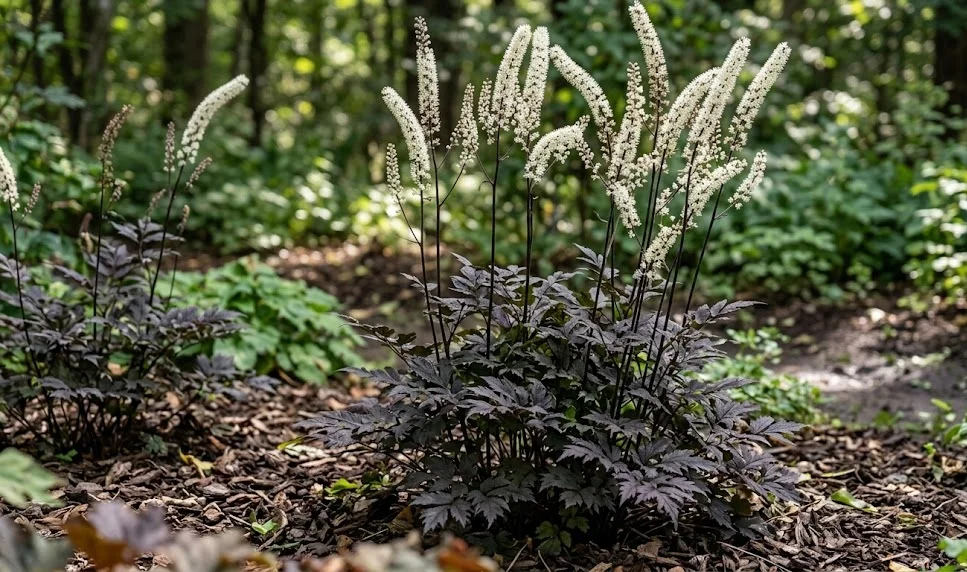
Leaf mold is particularly beneficial for these plants as it closely resembles the natural substrate found in their native habitats. You can easily make your own leaf mold by gathering fallen leaves in the autumn and allowing them to decompose in a corner of your garden. After a year or two, you will have a dark, crumbly material that is excellent for improving soil texture and moisture retention. Your bugbane will thrive in this environment, producing larger leaves and more robust flower spikes as a result of the enhanced soil quality.
While organic matter should be the primary source of nutrition, you may occasionally need to use supplemental fertilizers to address specific deficiencies. If you choose to use commercial products, look for organic options that are high in nitrogen and phosphorus to support foliage and root growth. Always follow the manufacturer’s instructions and avoid over-fertilizing, which can lead to weak, leggy growth and increased susceptibility to pests. A balanced, “less is more” approach to fertilization is usually the most effective strategy for these long-lived perennials.
Fertilizer application protocols
The timing of fertilizer application is just as important as the type of product you choose to use in your garden. You should provide the first feeding in early spring just as the new growth begins to emerge from the dormant crown. This gives the plant the energy it needs to build its massive structure before the heat of summer arrives. A second, lighter application can be made in early summer to support the development of the tall flower spikes that will appear later in the season.
Liquid fertilizers, such as compost tea or seaweed extract, can provide a quick boost of nutrients during periods of rapid growth. These products are easily absorbed by both the roots and the foliage, making them a versatile tool for the gardener. You can apply these liquids every few weeks during the peak growing season to keep the plant looking its best and to enhance its resilience. This supplemental feeding is particularly helpful if your soil is naturally lean or if you are growing the plant in a container.
Avoid applying heavy doses of granular fertilizer late in the season, as this can stimulate new growth that will not have time to harden off before winter. The plant should be allowed to naturally slow down its metabolic processes as the days get shorter and the temperatures begin to drop. By following the natural rhythm of the seasons, you ensure that the plant stays healthy and enters dormancy with a full reservoir of energy. This restraint is a key part of professional garden management and long-term plant health.
Always make sure the soil is moist before applying any type of fertilizer to prevent the concentrated nutrients from burning the sensitive roots. Watering the area thoroughly after application helps move the fertilizer down into the root zone where it can be put to use by the plant. If you notice any signs of leaf burn or discoloration after fertilizing, stop immediately and flush the area with plenty of clean water. Careful observation will help you fine-tune your fertilization schedule to perfectly match the needs of your individual plants.
Identifying nutrient issues
Learning to read the signals that your plant is sending is an essential skill for any serious gardener. Yellowing leaves with green veins, a condition known as chlorosis, often indicates a deficiency in iron or magnesium, usually caused by a high soil pH. You can address this issue by adding sulfur to lower the pH or by using a specialized chelated mineral supplement. Correcting the soil chemistry will allow the plant to once again access the nutrients it needs for healthy green foliage.
Stunted growth and a lack of flowers can be a sign that the plant is not receiving enough phosphorus or is struggling in poor-quality soil. If your plant looks generally weak despite receiving plenty of water and light, a soil test may be necessary to identify the specific problem. Many local agricultural extensions offer low-cost soil testing services that provide detailed information about nutrient levels and pH. Armed with this data, you can make precise adjustments to your fertilization routine and achieve much better results.
Purple or reddish tints on the leaves that are not part of the plant’s natural coloring can sometimes indicate a phosphorus deficiency, especially in cool spring weather. This is often a temporary issue that resolves itself as the soil warms up and biological activity increases. If the problem persists, adding a bit of bone meal or a balanced organic fertilizer can help provide the necessary boost. Understanding these visual cues allows you to intervene early and prevent minor issues from becoming major problems.
Healthy plants that receive the right balance of water and nutrients are much better able to resist attacks from pests and diseases. By focusing on building a strong foundation of soil health, you are creating a garden that is naturally more resilient and beautiful. Your bugbane will reward your efforts with a spectacular display that becomes more impressive with every passing year. Consistent, informed care is the secret to success with these magnificent and rewarding woodland perennials.