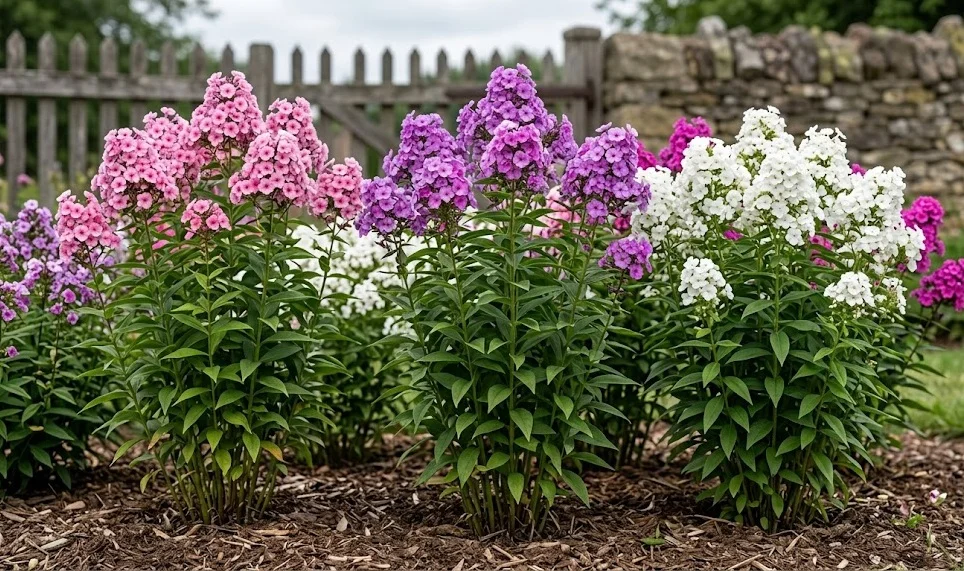

Pruning garden phlox is not complicated, but timing and purpose matter. The plant benefits from spring thinning, optional pinching, summer deadheading, and autumn cutting back after dormancy begins. These tasks improve airflow, encourage stronger growth, extend the flowering display, and reduce disease carryover. When pruning is done thoughtfully, garden phlox remains cleaner, fuller, and more reliable from year to year.
Spring thinning and pinching
Spring thinning is useful when a mature clump produces too many crowded shoots. Removing the weakest stems allows better airflow through the plant. It also helps the remaining stems grow stronger and reduces competition within the clump. This is especially important for mildew-prone cultivars.
Thinning should be done while shoots are still young and easy to handle. Choose thin, weak, damaged, or poorly placed shoots for removal. Keep the strongest shoots spaced evenly across the crown. This creates a more open plant without reducing its ornamental value.
Pinching is a separate technique used to make the plant bushier. In late spring, the tips of selected stems can be shortened slightly. This encourages side shoots and may delay flowering on those stems. By pinching only part of the clump, the flowering season can be extended.
Not every garden phlox needs pinching. Naturally compact cultivars may already branch well without intervention. Tall, vigorous cultivars often benefit more from this treatment. The decision should be based on the plant’s habit, the garden style, and the desired flowering effect.
More articles on this topic
Deadheading during and after bloom
Deadheading keeps garden phlox looking fresh during summer. As the main flower clusters fade, they can be cut back to a healthy pair of leaves or side shoots. This prevents the plant from putting energy into seed production. It also improves the appearance of the border immediately.
Removing spent blooms may encourage secondary flowering. The later flowers are usually smaller than the first flush, but they still add color and attract pollinators. Good watering improves the chance of a worthwhile rebloom. A stressed plant is less likely to respond strongly after deadheading.
Deadheading is also useful for controlling self-seeding. Seedlings from garden phlox may not match the parent plant. In carefully designed borders, unwanted seedlings can disturb the color scheme or spacing. Removing faded flowers before seed matures keeps the planting more predictable.
Use clean, sharp pruners when deadheading. Ragged cuts can dry poorly and look untidy. Avoid cutting too much healthy foliage during the flowering season because the leaves continue to feed the crown. The aim is to remove fading flower heads while preserving the plant’s energy-producing structure.
More articles on this topic
Autumn cutting back and renewal
Autumn cutting back is done after the stems have died back or clearly stopped contributing to the plant. Cutting too early can reduce the energy stored in the roots. Once foliage is brown, diseased, or frost-damaged, it can be removed. This prepares the plant for a clean start in spring.
Cut stems close to the ground, but avoid damaging the crown. Leaving short stubs can help mark the plant’s location if the bed is disturbed in winter. If the foliage was affected by mildew or leaf spot, remove it from the garden. Clean disposal lowers disease pressure for the next season.
Pruning can also reveal whether the clump needs division. A hollow center, weak outer stems, or reduced flowering may suggest that renewal is needed. Division is usually done in spring or early autumn rather than during winter cleanup. Still, autumn observation helps plan the next step.
After cutting back, a light mulch or compost layer can be applied around the plant. Keep the crown open and avoid burying it under heavy material. This protects the soil and supports gradual nutrient release. Proper cutting back, combined with careful mulching, helps garden phlox return strongly when growth resumes.