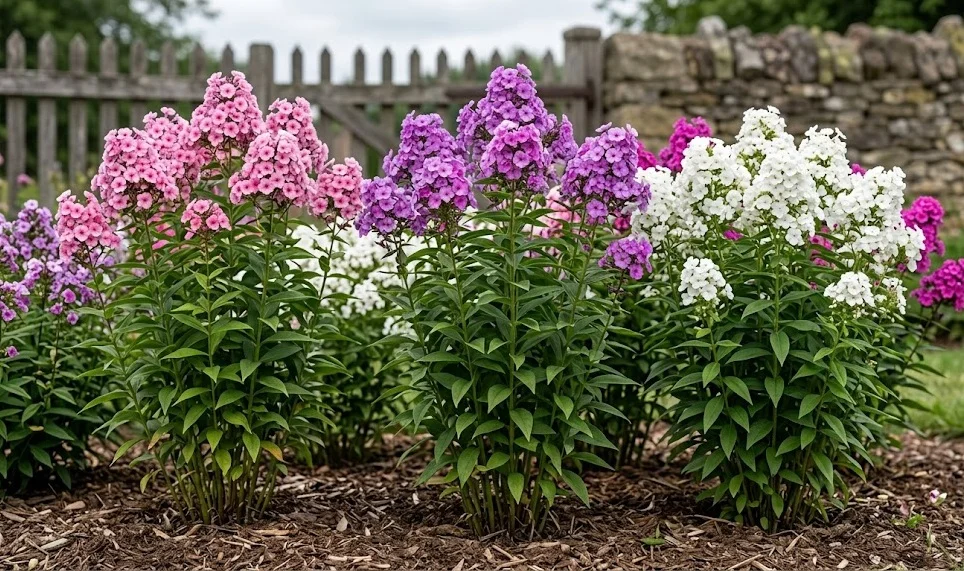

Garden phlox flowers best when it receives enough light to build strong stems and dense flower clusters, but the ideal exposure depends on climate. In cool regions, full sun is usually the best choice, while in hot areas a little afternoon shade can improve plant quality. Light affects not only flowering but also stem strength, mildew risk, leaf color, and the plant’s overall rhythm. Understanding this balance helps place garden phlox where it can look generous rather than stressed.
Full sun and flowering performance
Full sun usually produces the heaviest flowering in garden phlox. Plants grown with plenty of direct light develop stronger stems and more flower buds. The flower clusters tend to be fuller, and the plant’s habit is often more upright. In regions with mild summers, this is often the ideal exposure.
A sunny position should still have good soil moisture. Full sun combined with dry soil can stress the plant and reduce flowering quality. The leaves may droop during hot afternoons, and lower foliage may yellow early. Sun is beneficial only when the root zone can support the plant’s water needs.
Morning sun is especially valuable because it dries dew from the leaves. This can help reduce the conditions that encourage foliar disease. Early light also warms the plant gradually after cool nights. In humid gardens, morning sun and good airflow are a strong combination.
Too much shade reduces the benefits of full-sun planting. Even if the plant survives, it may stretch, lean, and produce fewer flowers. Weak stems are more likely to need support. For a plant grown primarily for summer bloom, insufficient light is one of the main reasons for disappointment.
More articles on this topic
Partial shade in warm climates
Partial shade can be helpful where summers are hot or sunlight is intense. Afternoon shade protects leaves and flowers from the harshest part of the day. This can extend flower quality and reduce wilting. A position with sun until early afternoon is often excellent in warmer gardens.
Shade should be light and open rather than dense. Garden phlox does not perform well under heavy tree canopies where roots also compete for water. Filtered light from high branches may be acceptable if the soil remains fertile and moist. Deep shade usually leads to poor flowering.
In hot climates, the best exposure is often a compromise. Too much sun can cause stress, while too little sun reduces bloom. Observing the plant during summer is useful because local conditions vary greatly. If the plant wilts daily despite watering, more afternoon protection may be needed.
Partial shade can also help preserve flower color in some cultivars. Strong sun may fade delicate pinks, lavenders, or pale shades more quickly. A little protection can keep blooms looking fresher for longer. However, shade should never be so heavy that flower production suffers.
More articles on this topic
Diagnosing light-related problems
A garden phlox plant that receives too little light often grows tall and loose. The stems may lean outward, and the flower clusters may be smaller than expected. Leaves can remain relatively soft and more vulnerable to disease. These signs often appear gradually as surrounding shrubs or trees mature.
A plant receiving too much heat and sun may show different symptoms. Leaves may curl, scorch, or droop during the hottest hours. Flower clusters may fade quickly, and the plant may look tired before the season should be over. If soil moisture is adequate but stress continues, afternoon shade may improve performance.
Light problems are sometimes confused with nutrient problems. A shaded plant may look weak, but fertilizer will not fully correct the lack of sunlight. Similarly, a sun-scorched plant may not need feeding at all; it may need better moisture or a cooler position. Correct diagnosis prevents unnecessary treatments.
Relocation is often the best solution when the exposure is clearly wrong. Garden phlox can be moved in spring or early autumn. When moving a plant, prepare the new site carefully and water it well after replanting. A better light balance can transform the plant’s performance in the following season.