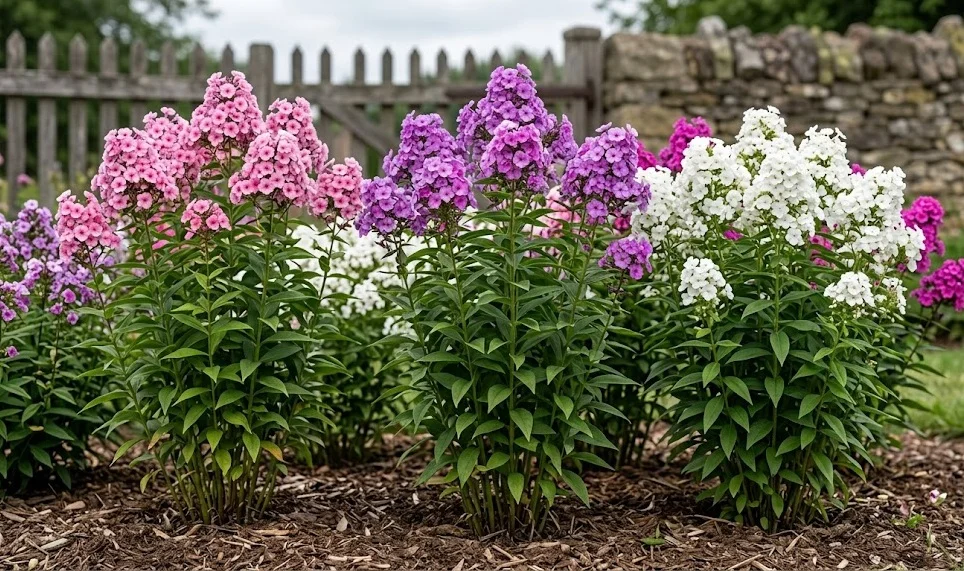

Garden phlox is generally a hardy perennial, but good winter preparation improves its reliability and spring vigor. The aim is not to keep the top growth alive, because the stems naturally die back after the growing season. Instead, care should focus on protecting the crown, maintaining healthy soil conditions, and preventing disease from overwintering in old debris. A well-prepared clump rests through winter and returns with stronger shoots when the soil warms.
Understanding winter dormancy
Garden phlox enters dormancy as temperatures fall and daylight shortens. The leafy stems lose function, and the plant stores energy in its crown and roots. This seasonal retreat is normal and should not be mistaken for plant failure. Even a completely brown top can hide a healthy perennial crown below the soil surface.
The plant does not need green stems through winter. In fact, old stems eventually become a liability if they harbor disease or trap excessive moisture. Once frost has finished the display, the ornamental value of the stems usually declines. At that point, cleanup becomes more useful than preservation.
Dormancy is also influenced by soil moisture. Roots should not dry completely before winter, especially in newly planted clumps. At the same time, constantly wet soil can cause crown and root damage. The best winter condition is cool, settled soil with moderate moisture and good drainage.
Hardiness depends not only on temperature but also on plant health. A strong, well-rooted plant that was watered properly in summer usually enters winter in better condition. A drought-stressed or diseased plant has fewer reserves. Good overwintering therefore begins long before the first frost.
More articles on this topic
Cutting back and autumn cleanup
Cutting back is usually done after the foliage has declined naturally. Stems can be cut close to the ground, leaving only short stubs if needed to mark the plant’s position. Cutting too early, while leaves are still actively feeding the crown, can reduce stored energy. Waiting until the plant has clearly finished the season is the better approach.
Diseased foliage should be removed carefully. Powdery mildew and leaf spots can persist on plant debris and contribute to reinfection. In a hot composting system, some disease material may break down safely, but many home piles do not heat evenly enough. Disposing of badly affected material away from the garden is often safer.
The area around the crown should be cleared of fallen leaves if they form a wet, compacted mat. A thin layer of natural leaf litter is not always harmful, but heavy, soggy cover can trap moisture. This is especially risky in dense clay soils. Clean, open conditions reduce rot pressure.
Tools used for cutting diseased plants should be cleaned before moving to healthy plants. This simple practice helps reduce the spread of pathogens. Sharp tools also make cleaner cuts and cause less tearing. Good hygiene in autumn leads to fewer problems in spring.
More articles on this topic
Mulching and protecting the crown
Mulch can be useful in winter, especially where freeze-thaw cycles are frequent. Its main purpose is to moderate soil temperature and reduce heaving, not to keep the plant warm in an artificial way. Organic mulch such as compost, shredded leaves, or fine bark can be used. The layer should be modest and breathable.
Avoid piling mulch directly over the crown. A thick, wet mound can hold too much moisture and encourage rot. Leave a small open space around the center of the plant. This keeps the crown protected by surrounding soil conditions without being smothered.
Newly planted divisions benefit more from winter mulch than long-established clumps. Their roots are less extensive, so they are more vulnerable to frost movement. Mulch helps stabilize the soil while roots continue to settle. It should be checked occasionally if winter wind or heavy rain moves it away.
In containers, winter protection is more important because roots are exposed to colder air temperatures. Pots can be moved to a sheltered position, grouped together, or insulated around the sides. Drainage holes must remain open. A frozen wet pot is more dangerous than a cold but well-drained one.
Spring follow-up after winter
Spring inspection should begin when new shoots appear at the crown. Remove any remaining winter debris that could shade or crowd the emerging growth. Check whether the crown has lifted from frost heave and gently firm it back if necessary. Exposed roots should be covered with soil and watered in.
This is also a good moment to assess whether division is needed. If shoots appear mainly around the outer edge and the center is empty, the clump may be aging. Dividing in spring gives new sections time to establish before summer. Healthy outer pieces are usually the best material for replanting.
A light compost top-dressing supports new growth after winter. It refreshes the soil surface and provides gentle nutrition. Avoid strong fertilizer before the plant is actively growing. Feeding too early can be wasteful and may encourage weak growth if temperatures remain low.
Watering should resume gradually as growth increases. Spring soil may be moist from rain, but dry winds can quickly dehydrate young shoots. Newly divided or newly planted phlox needs especially careful attention. Strong spring care completes the overwintering process and prepares the plant for summer flowering.