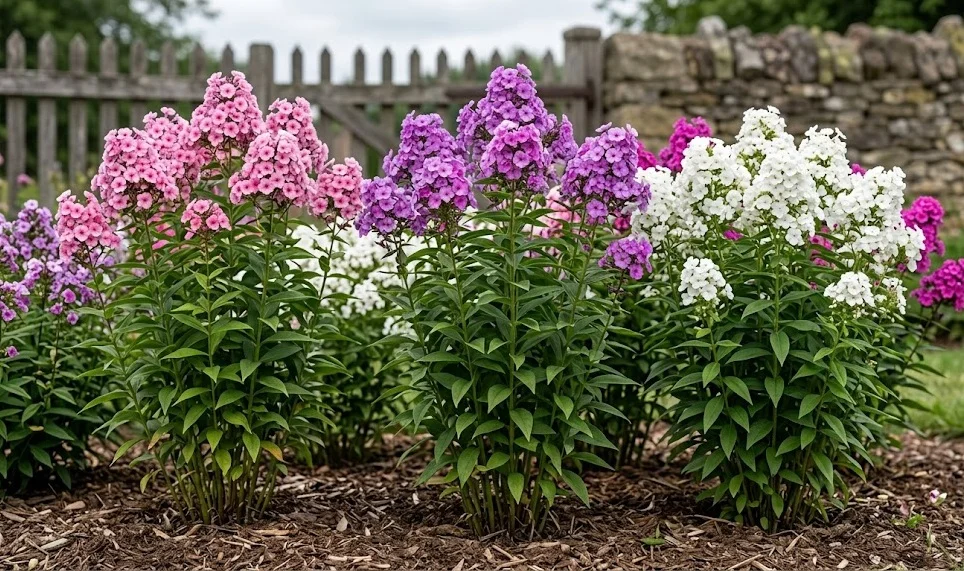

Garden phlox is one of the most dependable summer perennials when it is grown with the right balance of sunlight, airflow, moisture, and soil fertility. Its tall stems, generous flower clusters, and strong garden presence make it valuable in cottage gardens, mixed borders, pollinator beds, and traditional perennial plantings. Although it is often described as easy to grow, the finest plants are usually the result of steady, attentive care rather than neglect. With a few well-timed practices, garden phlox can flower richly for many weeks and remain attractive from spring emergence to autumn dormancy.
Choosing the right growing position
Garden phlox performs best in a site where it receives abundant light without being stressed by excessive heat. In cooler climates, full sun usually produces the strongest stems and the most generous flowering. In warmer regions, morning sun with light afternoon shade can protect the foliage from scorching and reduce moisture stress. The aim is to give the plant enough brightness to flower heavily while avoiding a stagnant, overheated position.
Air movement is just as important as sunlight when caring for garden phlox. Dense, poorly ventilated planting areas can encourage foliar diseases, especially powdery mildew. A breezy but not exposed border allows leaves to dry more quickly after rain or watering. This simple placement decision often makes the difference between clean foliage and repeated disease problems.
The plant also benefits from a position where its roots can stay evenly moist during active growth. Garden phlox is not a bog plant, but it dislikes long dry spells once buds begin to form. A site with deep, moisture-retentive soil is much better than one with shallow, compacted ground. In sandy soils, organic matter is especially valuable because it helps water remain available around the root zone.
When placing garden phlox in a border, consider both its height and its seasonal rhythm. Taller cultivars belong in the middle or back of a planting, where their flower clusters can rise above lower perennials. Shorter companion plants can shade the soil and help keep the root zone cooler. This layered planting style also gives the garden a fuller, more natural appearance.
More articles on this topic
Preparing soil for healthy growth
Good soil preparation is one of the most reliable ways to improve the long-term performance of garden phlox. The plant prefers fertile, well-drained soil that still holds moisture during summer. Heavy clay can work well if it is loosened and improved with compost, because clay naturally retains nutrients and water. Very light soil needs more organic matter to prevent drought stress and weak flowering. Before planting or improving an established bed, work mature compost into the upper layer of soil. Compost improves structure, supports biological activity, and helps roots explore the soil more freely. It also releases nutrients gradually, which suits a perennial that grows steadily over several months. Fresh manure should be avoided near the roots because it can be too strong and may encourage soft, disease-prone growth.
Garden phlox prefers a slightly acidic to neutral soil reaction, although it is reasonably adaptable. If growth is poor despite good watering and light, a soil test can reveal whether pH or nutrient imbalance is limiting performance. Overcorrecting soil without testing is rarely wise, because unnecessary lime or fertilizer can create new problems. A balanced soil produces sturdier stems and better resistance to stress.
Drainage should never be overlooked, even though garden phlox appreciates moisture. Roots that sit in waterlogged ground are more vulnerable to rot and winter damage. If a bed stays wet for long periods, raising the planting area slightly can help. The best soil for garden phlox feels rich and cool, but never sour, compacted, or constantly saturated.
Watering through the growing season
Garden phlox needs the most careful watering from late spring through flowering. During this period, stems elongate, buds develop, and the plant uses a steady supply of moisture. Deep watering is more effective than frequent shallow sprinkling because it encourages roots to grow downward. A plant with a deeper root system is better able to tolerate short dry periods.
More articles on this topic
Water should be directed toward the soil rather than sprayed over the leaves. Wet foliage, especially in the evening, can increase the risk of fungal problems. A watering can with a long spout, drip irrigation, or a soaker hose is ideal for mature clumps. Morning watering is usually best because any accidental moisture on leaves has time to dry.
Mulching helps maintain even soil moisture and reduces temperature swings around the roots. A layer of compost, leaf mold, shredded bark, or fine organic mulch can be spread around the plant in spring. The mulch should not be piled against the crowns, because trapped moisture around the base can cause decay. A modest, open ring around the stems is safer and more effective.
Drought stress often shows itself before the plant wilts dramatically. Lower leaves may yellow, flower clusters may become smaller, and stems may lose vigor. If dry weather arrives while buds are forming, flowering quality can decline noticeably. Consistent watering at this stage gives the plant the best chance to produce full, colorful panicles.
Feeding for strong stems and abundant flowers
Garden phlox is a moderately hungry perennial, especially in borders where it flowers heavily every year. The safest feeding approach is to combine compost with a balanced, slow-release fertilizer in spring. This supports steady growth without pushing the plant into overly lush, weak stems. Excessive nitrogen should be avoided because it can increase mildew susceptibility and reduce flower quality.
A spring top-dressing of compost is often enough in fertile garden soil. Spread it around the plant when new shoots are visible, then water it in gently. This improves soil texture as well as nutrition, which is valuable for a long-lived perennial. Compost also supports beneficial soil organisms that help release nutrients gradually.
In poorer soils, a balanced perennial fertilizer can be applied according to label directions. It is better to feed lightly and consistently than to apply a heavy dose at once. Too much fertilizer can cause rapid, soft growth that bends or breaks more easily. A well-fed but not overfed plant usually has stronger stems, deeper green leaves, and more reliable flowering.
Feeding late in the season should be limited. After flowering, the plant begins shifting energy toward root storage and preparation for dormancy. High-nitrogen feeding late in summer can encourage tender new growth that is less prepared for cold weather. A gentle compost mulch after flowering is more suitable than a strong fertilizer application.
Supporting and managing tall growth
Many garden phlox cultivars grow tall enough to need discreet support, especially in windy gardens or rich soil. Support is easiest to install in spring while shoots are still short. A grow-through ring, a few slender stakes, or twiggy natural supports can hold stems upright without making the planting look artificial. Waiting until stems are already leaning often makes the repair more visible and less effective.
Pinching can be used to create bushier plants and extend the flowering season. In late spring, the upper growth of some stems can be shortened by a small amount. This encourages side shoots and may slightly delay flowering on those stems. The result is often a fuller clump with a longer, more layered bloom display.
Deadheading is useful when the first flower clusters begin to fade. Removing spent panicles prevents the plant from putting energy into seed production. It can also encourage smaller side flowers, especially when the plant is healthy and well-watered. Deadheading keeps the border looking fresh and reduces unwanted self-seeding.
Crowded clumps should be thinned or divided when vigor declines. If the center becomes woody, flowering weakens, or air movement through the stems becomes poor, the plant is asking for renewal. Division every few years keeps the clump productive and reduces disease pressure. Healthy, younger sections from the outer edge are usually the best pieces to replant.
Preventing common stress problems
Powdery mildew is one of the most common issues with garden phlox, but it is often linked to growing conditions. Crowding, drought stress, overhead watering, and poor airflow all increase the risk. Resistant cultivars are helpful, but they still perform best with good cultural care. Prevention is easier than trying to restore badly affected foliage in late summer.
Spacing is a practical and often underestimated disease-management tool. Plants should not be pressed so tightly together that their leaves remain damp for long periods. Removing weak or excess shoots in spring can open the clump and improve air circulation. A clean, open structure also makes watering and inspection easier.
Stressed plants are more attractive to pests and less able to recover from damage. Spider mites may become troublesome in hot, dry conditions, while aphids sometimes gather on tender new shoots. Regular observation allows small problems to be corrected before they spread. A strong jet of water, improved moisture, or selective removal of infested tips is often enough for minor pest pressure.
Autumn cleanup helps reduce disease carryover into the following year. Once the stems have finished and the foliage begins to decline, cut the old growth close to the ground. Diseased foliage should not be composted in a cool home compost pile. Removing debris improves hygiene and gives the plant a cleaner start in spring.
Seasonal care from spring to winter
In spring, garden phlox care begins as soon as new shoots appear. Clear away old debris, refresh the mulch, and check whether the clump is becoming crowded. This is also the best time to divide mature plants if they need renewal. Early attention sets the tone for the whole growing season.
By early summer, the main focus shifts to watering, feeding, and support. Stems grow quickly during this stage, and any weakness in soil moisture or nutrition soon becomes visible. Supports should already be in place before the plant reaches full height. A little preventive work at this stage avoids many later problems.
During flowering, the most important tasks are deep watering and deadheading. The plant should not be allowed to dry severely while it is carrying heavy flower clusters. Removing faded blooms improves appearance and may extend the display. Pollinators often visit the open flowers, so avoid unnecessary pesticide use during bloom.
In autumn and winter, garden phlox needs less attention but still benefits from tidy care. Cut down spent stems after they have died back, especially if disease was present. A light organic mulch can protect soil structure and moderate winter temperature changes. Established garden phlox is generally hardy, but healthy crowns and well-drained soil are the best insurance against winter losses.