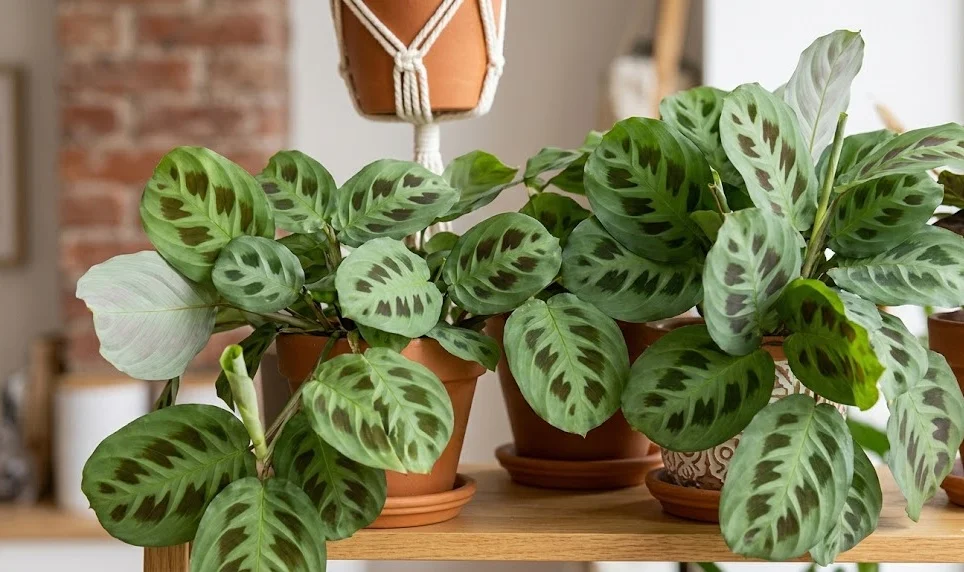

Proper hydration and nutrient management are the twin pillars of maintaining a healthy and vibrant prayer plant over the long term. This species is particularly sensitive to the quality and frequency of watering, making it a “canary in the coal mine” for indoor gardening errors. Understanding the balance between providing enough moisture and avoiding the dangers of waterlogged soil is essential for every grower. Coupled with a strategic fertilization plan, these practices will ensure your plant produces lush, patterned foliage throughout the growing season.
The water requirements of this tropical native are dictated by its natural habitat on the moist forest floors of South America. It prefers a soil environment that is consistently damp to the touch but never sits in standing water. Achieving this balance requires a keen eye and a regular schedule of monitoring the moisture levels within the pot. If you allow the soil to dry out completely, the plant will likely suffer from leaf curl and brown edges.
Fertilization is equally important, as it provides the chemical building blocks necessary for the plant to build new tissues and maintain its vivid colors. However, this species is not a heavy feeder and can be easily damaged by an over-abundance of synthetic salts. A professional approach involves using the right type of nutrients at the correct concentration and timing. By mimicking the slow release of nutrients found in nature, you can promote steady and robust growth.
Consistency in these two areas of care will prevent most of the common problems associated with indoor plant maintenance. Sudden changes in watering habits or erratic feeding schedules can lead to physiological stress and increased susceptibility to pests. Developing a disciplined routine is the best way to keep your plant in peak condition. Always remember that the goal is to provide a stable, predictable supply of both water and essential nutrients.
Understanding moisture requirements
The key to successful watering is knowing exactly when the plant needs a drink, rather than following a strict calendar schedule. You should check the moisture level of the soil every few days by inserting your finger about two centimeters deep. If the surface feels dry but the soil below is still moist, it is usually the right time to add water. This method ensures that the roots never dry out completely while also preventing the soil from becoming saturated.
More articles on this topic
During the active growing season in spring and summer, the plant will naturally consume more water as it produces new leaves. You may find that you need to water more frequently when the light levels are high and the temperatures are warm. In contrast, growth slows down significantly during the autumn and winter months, requiring a corresponding reduction in irrigation. Adjusting your habits according to the seasons is vital for preventing the onset of root rot during the dormant period.
The type of pot you use will also influence how quickly the soil dries out and how often you need to water. Plants in porous containers like unglazed terra cotta will lose moisture much faster than those in plastic or glazed ceramic pots. If you have a plant in a fast-drying container, you must be extra vigilant about checking the soil moisture. Understanding these variables allows you to tailor your watering routine to the specific needs of each individual plant.
If the plant is subjected to prolonged drought, the leaves will often fold up tightly even during the day as a defense mechanism. This is a clear signal that the plant is under severe moisture stress and needs immediate attention. While it can often recover from a single episode of drying, repeated stress will lead to the loss of lower leaves and a leggy appearance. Consistency is the most important factor in keeping the foliage looking full and healthy.
Water quality and delivery methods
The rabbit’s foot prayer plant is notoriously sensitive to the chemicals commonly found in municipal tap water, such as chlorine and fluoride. These substances can accumulate in the leaf tips, leading to unsightly brown spots and “burn” marks that ruin the aesthetic of the plant. To avoid this, it is highly recommended to use filtered water, rainwater, or distilled water for all your irrigation needs. If you must use tap water, let it sit out in an open container for twenty-four hours to allow some of the chemicals to dissipate.
More articles on this topic
The temperature of the water is another factor that can affect the health of the root system. Always use water that is at room temperature to avoid shocking the tropical roots with a sudden cold blast. Cold water can cause the plant to wilt or drop leaves, as it signals a sudden and unfavorable change in the environment. Keeping a dedicated watering can filled and ready will ensure the water is always at the perfect temperature for your plants.
When applying water, aim for the soil surface and try to avoid getting too much moisture on the leaves themselves. While the plant loves humidity, standing water on the foliage in a stagnant indoor environment can lead to fungal issues. Water slowly and evenly across the entire surface of the soil until you see a small amount of liquid exiting the drainage holes. This ensures that the entire root ball is hydrated and that any accumulated salts are flushed out of the medium.
Using the “bottom watering” method is another effective way to ensure deep hydration without compacting the soil surface. Place the pot in a tray of water and allow it to soak up moisture through the drainage holes for about twenty minutes. This encourages the roots to grow downward and ensures that the core of the root ball is thoroughly moistened. Always remember to discard any excess water from the tray after the plant has finished drinking.
The timing of irrigation cycles
Determining the frequency of watering is an art that depends on your home’s specific environment and the current weather. Factors such as the intensity of light, the ambient humidity, and the temperature all play a role in how fast the plant transpires. On a hot, sunny day, your plant may need water every few days, while a cool, cloudy week might extend that interval to ten days. Staying flexible and responsive to the plant’s needs is more effective than a rigid weekly plan.
Morning is generally considered the best time of day to water your indoor plants. This allows the plant to take up moisture before the heat of the day increases and gives any accidental foliage splashes time to dry. Watering in the evening can leave the soil too wet for too long during the cooler night hours, which increases the risk of pathogens. A morning routine also aligns with the plant’s natural metabolic cycle as it prepares for photosynthesis.
If you find that the soil is drying out too quickly, it may be a sign that the plant has become root-bound and needs a larger pot. When roots fill the entire container, there is less soil available to hold onto moisture, leading to rapid dehydration. Conversely, if the soil stays wet for more than two weeks, the pot may be too large or the drainage might be blocked. Monitoring the “dry-down” time of your soil is a great way to gauge the health of the plant-pot relationship.
During periods of high humidity or overcast weather, you should naturally extend the time between watering cycles. The plant’s demand for water decreases when evaporation is slow, and over-watering in these conditions is a common mistake. Always trust the physical feel of the soil over any external schedule or app reminder. Developing this intuitive sense of timing will make you a much more successful gardener in the long run.
Nutrient management and fertilization
A balanced fertilization strategy is essential for supporting the vigorous growth of the rabbit’s foot prayer plant. During the active growing season, from March to September, you should provide a liquid fertilizer every two to four weeks. Use a balanced, water-soluble fertilizer with an N-P-K ratio like 10-10-10 or 20-20-20 to ensure all basic needs are met. This provides the nitrogen for leaves, phosphorus for roots, and potassium for overall plant health.
It is crucial to dilute the fertilizer to half the strength recommended on the product packaging. This plant has delicate roots that can easily be burned by high concentrations of synthetic nutrients. Over-fertilizing often manifests as brown, crispy leaf edges or a white crust forming on the surface of the soil. It is always better to provide a weak solution more frequently than a strong dose all at once.
Before applying any fertilizer, make sure the soil is already slightly moist. Applying liquid nutrients to bone-dry soil can cause immediate root damage, as the dry tissues absorb the concentrated salts too quickly. Water the plant lightly first, wait a few minutes, and then apply the diluted fertilizer solution. This simple step acts as a buffer and ensures that the nutrients are distributed evenly throughout the growing medium.
Organic fertilizers, such as seaweed extract or fish emulsion, can also be used as a gentler alternative to synthetic products. These options often provide a wider range of micronutrients and help build a healthy microbial population in the soil. Regardless of the type you choose, always watch the plant’s reaction to the feeding. If you see lush, green growth and vibrant patterns, your fertilization strategy is working perfectly.
Seasonal adjustments to feeding
As the days grow shorter and the light intensity decreases in the autumn, you must begin to scale back your fertilization. The plant’s metabolism slows down significantly during this time, and it no longer requires the same level of supplemental nutrients. Continuing to feed at the summer rate during the winter can lead to a toxic buildup of salts in the soil. This buildup can interfere with water uptake and cause long-term damage to the plant’s health.
From late October through February, it is generally best to stop fertilizing the prayer plant altogether. This period of rest allows the plant to consolidate its energy and prepares it for a burst of growth in the spring. If your indoor environment remains very warm and the plant continues to grow actively, you might provide a single, very weak feeding in mid-winter. However, for most home environments, a complete break from nutrients is the safest and most effective approach.
When spring arrives and you notice the first signs of new leaves emerging, you can gradually resume your feeding schedule. Start with a very dilute solution to gently wake up the plant’s systems before moving to the regular summer concentration. This transition phase helps the plant ramp up its production without the risk of nutrient shock. Following the natural rhythms of the seasons is the key to maintaining a healthy, long-lived specimen.
Periodically flushing the soil with plain, distilled water is a professional technique to prevent salt accumulation. Every few months, pour a large amount of water through the pot and let it drain away completely without adding any fertilizer. This washes away any residual minerals that have built up from previous feedings or tap water use. This simple maintenance task keeps the root environment fresh and ensures that the plant remains vibrant and healthy year after year.