
Executing the precise physical removal of specific plant tissues is a vital, highly technical component of the overall annual maintenance cycle. Incorrect or prematurely executed pruning completely devastates the plant’s internal ability to generate and store massive amounts of critical life-sustaining energy. The primary objective is to meticulously redirect the organism’s biological focus away from useless seed production and strictly toward subterranean bulb fortification. Professional horticulturists adhere to a remarkably strict, biologically mandated timeline when performing any mechanical reductions on these specific ornamental crops.
The fundamental rule governing the physical alteration of these species is absolute, uncompromising patience regarding the vegetative green foliage. The leaves serve as the primary biological solar arrays, capturing immense radiant energy to synthesize the complex carbohydrates required for future survival. Removing this critical machinery before the natural physiological shutdown sequence is fully complete equates to intentionally starving the organism. The absolute mastery of pruning lies entirely in knowing exactly when to completely refrain from cutting anything at all.
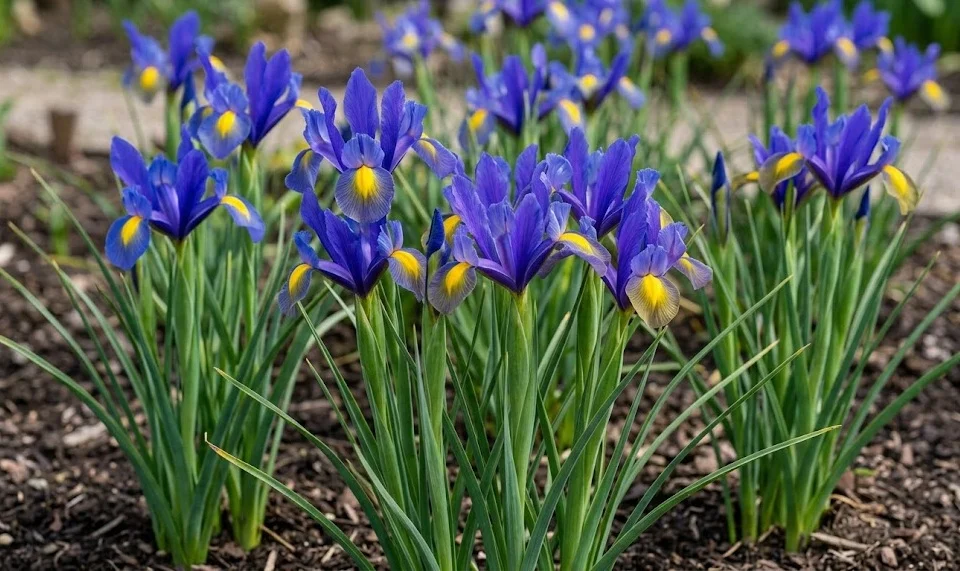
However, the management of the actual floral structures requires immediate, highly decisive, and completely uncompromising mechanical intervention. Once a blossom has fully expired and lost its ornamental value, it rapidly transitions into a highly demanding reproductive phase. The plant immediately begins diverting massive, critical energy reserves upward to develop heavy, biologically expensive seed pods. Halting this specific reproductive energy drain is the absolute primary focus of the post-bloom mechanical management strategy.
Sanitation during the physical cutting process is equally as critical as the highly specific biological timing of the cuts themselves. Every single mechanical incision creates a massive, gaping vulnerability in the plant’s natural external defenses, inviting immediate, aggressive pathogenic invasion. Utilizing dull, contaminated, or heavily rusted equipment practically guarantees the rapid introduction of highly lethal bacterial and viral agents. Strict, hospital-grade sterilization protocols must be rigorously employed to protect the immense financial investment of the crop.
Timing the necessary reductions
The concept of “deadheading” is the single most critical, highly time-sensitive mechanical procedure performed during the active growing season. This involves the immediate, precise surgical removal of the individual faded blossoms the absolute moment their visual quality begins to degrade. By acting rapidly, the cultivator completely intercepts the plant’s biological command to begin forming complex, highly demanding seed capsules. This highly strategic, preventative strike ensures that one hundred percent of the generated energy is aggressively redirected downward into the bulb.
More articles on this topic
The critical timing for foliage removal operates on a completely different, drastically extended, and highly unforgiving biological schedule. The green leaves must remain completely untouched, functioning at absolute maximum capacity, for many weeks following the final cessation of blooming. The grower must patiently wait until the foliage has completely lost all green pigmentation and transitioned into a brittle, entirely brown state. Only at this specific stage of total senescence has the internal energy transfer completely finished.
Attempting to force the aesthetic tidying of the garden by prematurely braiding or tying the green leaves together is highly destructive. This extremely common amateur mistake drastically reduces the total available surface area required for critical, life-sustaining photosynthesis. The heavily constricted leaves are physically unable to capture sufficient solar radiation, completely starving the subterranean structures of necessary power. The foliage must be allowed to splay naturally and completely unobstructed to ensure maximum, highly efficient solar collection.
Once the total biological die-back is absolutely, definitively complete, the final physical reduction of the plant can safely occur. The dead, fully desiccated leaves should naturally detach from the subterranean basal plate with only the slightest, gentle upward traction. If any physical resistance is encountered, the internal biological connection is still active, and the operation must be immediately aborted. Forcing the removal of resistant foliage physically tears the vital basal plate, creating a massive entry wound for lethal soil pathogens.
Utilizing sterilized equipment
The mechanical tools utilized for performing any physical cuts must be maintained in a state of absolute, uncompromising structural perfection. Highly specialized, exceptionally sharp horticultural bypass pruners are strictly mandated to ensure incredibly clean, completely surgical incisions. Dull or poorly aligned blades violently crush and completely mangle the delicate vascular tissues rather than cleanly severing them. These jagged, heavily traumatized wounds heal incredibly slowly, remaining dangerously open to aggressive microbial infection for extended periods.
More articles on this topic
Before a single cut is ever made, the mechanical equipment must undergo a rigorous, highly concentrated chemical sterilization process. Submerging the cutting blades in a highly potent solution of rubbing alcohol or professional agricultural disinfectant is absolutely mandatory. This crucial step instantly eradicates any microscopic fungal spores or lethal viral agents lingering from previous horticultural activities. Failing to properly sanitize equipment is the absolute primary vector for the devastating, field-wide spread of the Iris Severe Mosaic Virus.
The sterilization protocol must be strictly and continuously repeated between every single individual plant interaction across the entire field. A grower must never, under any circumstances, utilize the same unsterilized blade to cut two different, distinctly separate plants. While incredibly tedious and labor-intensive, this absolute strict adherence to field hygiene is the only guaranteed method for isolating potential viral outbreaks. Professional, high-yield cultivation demands this extreme level of uncompromising biological security.
Following the completion of the daily pruning operations, all mechanical tools must be thoroughly cleaned, dried, and properly lubricated. Removing all highly corrosive, residual plant sap prevents the rapid formation of destructive rust on the precision cutting surfaces. Proper long-term tool maintenance guarantees that the equipment will always perform flawlessly, executing perfect, damage-free cuts every single time. The absolute quality of a grower’s tools directly reflects the overall professional quality and biological safety of their entire agricultural operation.
Managing spent floral stalks
While the individual faded blossoms must be removed immediately, the management of the thick, heavy main stalk requires a distinctly different approach. The thick, green floral stem itself is heavily packed with active chlorophyll and continues to photosynthesize massively after the flower is gone. Therefore, the main stalk should initially be left completely intact, allowing it to continue contributing massive energy reserves to the bulb. Only the small, specific terminal structure that directly supported the actual flower petals should be carefully and surgically snipped away.
As the weeks progress and the natural senescence sequence begins, the main stalk will slowly begin to lose its vibrant green coloration. It will gradually transition through varying shades of yellow before finally collapsing into a completely brown, hollow, and brittle tube. Only when the stalk has reached this absolute final stage of total desiccation should it be physically removed from the environment. Prematurely cutting the thick green stalk deprives the bulb of a massive, highly critical percentage of its total required annual energy.
When the time finally arrives to remove the fully dead stalk, the physical cut should be made as incredibly close to the soil line as possible. Leaving high, jagged stumps of dead material protruding from the earth creates highly attractive, completely unprotected overwintering sites for destructive insect larvae. A clean, incredibly low cut ensures that the planting bed remains highly sanitary and completely prepared for the subsequent dormant season. All removed stalk material must be immediately transported completely off-site and permanently destroyed.
In highly specific, highly controlled commercial cut-flower production, the entire stalk is obviously harvested while still in tight bud. In this entirely different agricultural scenario, the grower fully accepts that the subterranean bulb is permanently sacrificed for the immediate floral yield. The bulbs utilized in commercial cut-flower operations are generally discarded entirely after a single harvest because their massive energy reserves are completely gone. This represents the absolute fundamental difference between sustainable, long-term landscape cultivation and high-intensity, single-use commercial floral production.