Pruning and cutting back drumstick allium correctly

Drumstick allium requires very little pruning, but the timing of each cut has a direct effect on bulb strength and future flowering. The main principle is to preserve healthy foliage until it has completed its work. Flower stalks can be removed for tidiness or retained for decorative seed heads, depending on the planting style. Clean tools and careful observation prevent unnecessary damage.
Removing spent flower heads
Deadheading is optional rather than essential. Remove faded flower heads if you want to prevent seed formation or maintain a neat border. Cut the stalk near its base without damaging surrounding leaves. Use sharp, clean secateurs to create a smooth wound.
Early removal of spent flowers may conserve some of the plant’s energy. This can be useful for newly planted or weakened bulbs. However, the effect is modest compared with the importance of retaining healthy leaves. Good light and drainage remain more influential.
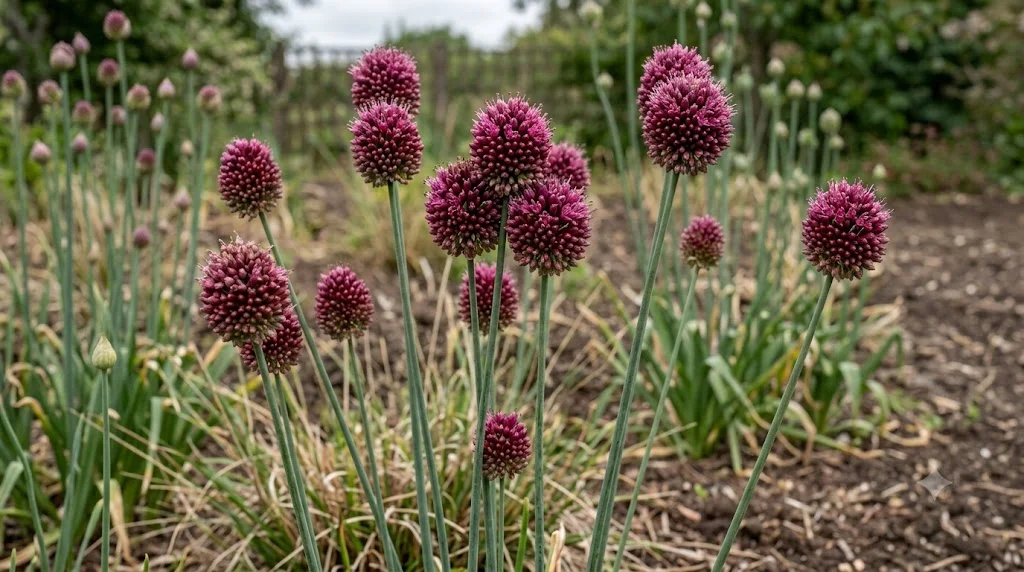
Seed heads can be left standing for ornamental value. Their rounded shape adds texture after the purple colour fades. They combine attractively with ornamental grasses and late-summer perennials. Dried heads can also be cut for indoor arrangements.
Remove retained stems when they begin to collapse or scatter unwanted seed. Cutting can take place in late summer, autumn, or even winter. Avoid pulling hard on stems that are still firmly attached. A clean cut reduces the chance of disturbing the bulb.
More articles on this topic
Managing leaves after flowering
Never cut green foliage simply because it appears untidy. The leaves continue producing carbohydrates after flowering. These reserves are transferred into the bulb and support next year’s growth. Premature removal can reduce flowering for several seasons.
Wait until the leaves turn fully yellow or brown. At this point they often detach with a gentle pull. If they resist, leave them for a little longer. Forced removal can damage the bulb neck.
Companion planting is the best solution for unattractive ageing foliage. Surround the bulbs with perennials that expand as the allium leaves decline. Their growth conceals the yellowing leaves without blocking light earlier in the season. This approach preserves both plant health and border appearance.
Diseased foliage may require earlier removal. Cut only the badly affected sections if healthy leaf area remains. Dispose of infected material away from the planting bed. Clean the cutting blades before moving to another plant.
More articles on this topic
Cutting back, tool hygiene, and seasonal timing
Use bypass secateurs or sharp garden scissors for slender stems. Blunt tools crush tissue and leave ragged wounds. Wipe blades clean before and after use. Disinfection is especially important when disease has been present.
Avoid cutting during prolonged wet weather. Dry conditions allow wounds to close more quickly and reduce fungal spread. Morning cutting is suitable once dew has evaporated. Place healthy dry stems on the compost heap, but discard diseased material separately.
Mark the position after the last visible growth is removed. Dormant bulbs are easy to damage during later cultivation. A discreet label helps guide autumn mulching and spring planting work. It also prevents accidental placement of large perennials directly above the bulbs.
Routine pruning should remain minimal. Drumstick allium has evolved to complete its cycle without regular shaping or hard cutting. Intervene only to remove spent flowers, diseased tissue, or fully dead growth. Restraint produces healthier bulbs and a more dependable summer display.