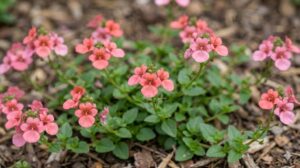
Pruning is an essential maintenance task that helps manage the size, shape, and overall health of your cypress spurge colony. While the plant is generally self-sufficient, a little bit of well-timed intervention can prevent it from becoming messy or overly aggressive. By understanding the best techniques and timings for cutting back, you can ensure that the plant remains a tidy and attractive part of your garden. Proper pruning also plays a role in preventing the spread of diseases and encouraging a fresh flush of growth.
The primary reasons for pruning this species are to remove spent flower heads, rejuvenate old foliage, and control its rapid spread. Because it grows so vigorously, the plant can sometimes become a bit thin or woody at the center if left entirely to its own devices. A systematic approach to cutting back helps maintain the dense, feathery appearance that most gardeners find so appealing. It is a task that requires both a sharp pair of shears and a good understanding of the plant’s growth cycle.
Safety must always be your top priority when you are pruning any member of the Euphorbia family. As we have mentioned before, the milky sap is a significant skin irritant and can be quite messy to deal with on your tools and clothes. Always make sure you are properly protected before you start cutting, and have a plan for disposing of the trimmings. A disciplined approach to safety ensures that your pruning session is productive rather than painful.
Throughout the year, you will find several opportunities to use your shears to improve the look of your garden. From the light cleanup of spring to the more dramatic cutting back of late autumn, each task serves a specific purpose in the plant’s life. Learning to recognize when the plant needs a trim is a skill that develops with experience. With a few simple guidelines, you can master the art of pruning this resilient and beautiful perennial.
Deadheading spent blooms
The first pruning task of the year usually involves removing the flowers once they have finished their primary display. The yellowish-green bracts are beautiful for many weeks, but they eventually begin to fade and turn a brownish color as the seeds develop. Deadheading, or removing these spent flower heads, prevents the plant from putting its energy into seed production. This redirection of resources allows the plant to focus on strengthening its root system and producing new foliage.
More articles on this topic
Another major benefit of deadheading is that it prevents unwanted self-seeding in other parts of your garden. Cypress spurge is a prolific seeder, and its small seeds can travel quite far when the dry capsules eventually burst open. By cutting off the flower heads before they mature, you maintain much better control over where the plant grows. This is especially important if you are trying to keep the spurge within a specific border or contained area.
To deadhead, simply follow the flower stem down to where it meets a main branch or the base of the plant and make a clean cut. You don’t need to be overly precise, as the plant is very resilient and will quickly hide the cut ends with new growth. Try to do this before the seed pods become completely dry and brittle for the best results. You will notice that the whole patch looks much fresher and more vibrant once the faded flowers are removed.
During this process, you can also take the opportunity to remove any stems that look weak, damaged, or out of place. This light summer grooming keeps the colony looking its best during the peak of the growing season. It also improves air circulation within the dense foliage, which helps prevent the fungal issues we discussed earlier. A few minutes of deadheading every week or two is a simple way to stay on top of your garden maintenance.
Autumn rejuvenation pruning
As the growing season comes to an end and the plant begins to enter its dormant phase, a more significant pruning may be beneficial. This is often called “rejuvenation pruning,” as it removes all of the old, tired growth from the current year to make room for the new shoots of spring. You will see the foliage start to change color and eventually turn brown after the first hard frosts. This is the signal that the plant has finished its work for the year and is ready for a deep trim.
More articles on this topic
Many gardeners choose to cut the entire plant back to about five to ten centimeters above the ground level. This may seem drastic, but it is a very effective way to keep the colony compact and healthy. Removing the old stems prevents them from becoming a hiding place for pests or a source of fungal spores over the winter. It also makes the spring cleanup much easier, as you won’t have to deal with a mass of dead, tangled stems in the new year.
If you prefer to keep some structure in your winter garden, you can delay this major pruning until the very late winter or early spring. The dry stems can provide a bit of interest and protection for the soil during the coldest months. However, be sure to complete the task before the new green tips start to emerge from the crown. Cutting back old stems once the new growth has started is much more difficult and carries a risk of damaging the young shoots.
Regardless of when you choose to do it, a heavy pruning every year or two is one of the best things you can do for your cypress spurge. It prevents the plant from becoming overly woody and encourages a much denser, more attractive habit. You will find that the plant responds with great enthusiasm to this treatment, sending up a lush carpet of new growth as soon as the weather warms up. It is a vital part of the long-term management of this vigorous perennial.
Essential tools and equipment
To perform your pruning tasks effectively and safely, you need the right set of tools for the job. A sharp pair of bypass hand pruners is the most useful tool for deadheading and removing individual stems. For the more heavy-duty task of cutting back an entire patch, a pair of garden shears or even a small hedge trimmer can be very efficient. Whatever tool you choose, make sure the blades are clean and sharp to ensure clean cuts that heal quickly.
Because of the sticky nature of the Euphorbia sap, you should be prepared to clean your tools frequently during and after your pruning session. Wiping the blades with a cloth dipped in rubbing alcohol or a specialized garden tool cleaner will prevent the latex from building up. If the sap is allowed to dry on the metal, it can become very difficult to remove and may even cause the blades to stick together. Taking care of your tools is just as important as taking care of your plants.
Safety equipment is the other half of the equation when it comes to pruning this species. As we have emphasized throughout these articles, sturdy gloves are absolutely essential to protect your skin from the irritating sap. Long sleeves and trousers are also highly recommended to prevent any accidental contact with your arms and legs. Some gardeners also find it helpful to wear eye protection, especially when working on large patches where sap might fly as you cut.
Finally, have a dedicated container or bag ready to collect all the trimmings as you work. This prevents the sap-filled stems from getting on your lawn, your paths, or other plants in the garden. Once you are finished, dispose of the material in a way that ensures it won’t be a hazard to others. By being organized and well-equipped, you can make the task of pruning your cypress spurge a safe, efficient, and even enjoyable part of your gardening routine.
Post-pruning care and safety
Once you have finished your pruning, there are a few final steps to ensure that both you and your plants recover well. For the plants, a light watering can be helpful if the soil is dry, as it helps them settle after the disturbance. If you have done a major rejuvenation pruning, applying a thin layer of mulch over the cut stems can provide a bit of extra protection. In most cases, however, the plant is so tough that it requires very little aftercare to bounce back.
The most important post-pruning task for the gardener is a thorough cleanup of yourself and your equipment. Wash your hands and arms with plenty of soap and water, even if you were wearing gloves the whole time. This removes any traces of sap that might have found their way onto your skin through small gaps or during the removal of your gear. It is always better to be overly cautious when dealing with the latex of the Euphorbia family.
Inspect your clothing for any spots of sap and wash them separately from your regular laundry if necessary. The latex can be quite persistent in fabric and may still cause irritation if it comes into contact with your skin later. Cleaning your tools one last time before putting them away will ensure they are ready for your next gardening project. These final acts of hygiene are the hallmark of a professional and responsible gardener.
Take a moment to look back at the work you have done and appreciate the tidier, healthier look of your garden beds. Pruning is one of the most direct ways that we interact with our plants, and it provides a great deal of satisfaction to see the results. By following these professional guidelines, you have ensured that your cypress spurge will continue to be a beautiful and well-managed part of your landscape. Your efforts today are the foundation for a more vibrant and healthy garden tomorrow.