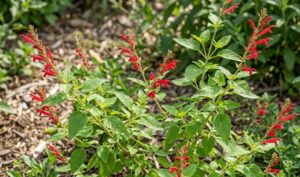
Successfully introducing cypress spurge into your garden begins with a clear understanding of its growth habits and environmental needs. This plant is known for its ability to colonize large areas quickly, which can be a benefit or a challenge depending on your goals. When planting, you must select a location that allows the plant to express its natural beauty without infringing on other species. Proper preparation of the site is the first step toward establishing a healthy and manageable population of this perennial.
The best time to plant is typically in the early spring when the soil starts to warm up and new growth is just beginning. This timing gives the root system plenty of opportunities to establish itself before the heat of summer arrives. You can also plant in the early autumn, allowing the roots to settle in during the cooler, moister months before winter. Avoid planting during periods of extreme heat or drought, as this can put unnecessary stress on the young specimens.
When choosing a spot, look for an area that receives a generous amount of sunlight throughout the day. While it can tolerate some very light shade, the plant will always be more compact and colorful in a full-sun environment. The soil should be loose and well-draining, as standing water is one of the few things that can truly harm this hardy plant. If the soil is too rich, you may find the plant grows too fast and becomes weak or unstable.
You should also consider the proximity of the planting site to natural areas or sensitive garden beds. Because of its spreading nature, it is often best used in contained areas or as a groundcover for difficult slopes where other plants fail. Strategic placement will help you enjoy the benefits of its resilience without having to spend all your time controlling its spread. Once you have identified the perfect location, the actual planting process is relatively straightforward and rewarding.
Site selection and preparation
Before you dig your first hole, take a moment to evaluate the drainage and composition of the chosen area. You can perform a simple drainage test by digging a small hole and filling it with water to see how quickly it disappears. If the water lingers for more than an hour, you will likely need to amend the soil with sand or gravel to improve its structure. Ensuring proper drainage from the very beginning is the most effective way to prevent future root problems.
More articles on this topic
The preparation of the site should also involve the removal of any existing weeds or aggressive grasses that might compete with the new plants. Clearing a clean space gives the cypress spurge the best possible start and reduces the need for heavy weeding later on. You don’t need to add a lot of organic matter, as this plant actually thrives in soil that is somewhat low in nutrients. A simple raking to loosen the surface of the soil is often all that is required.
Consider the ultimate size of the plant colony when deciding how many individuals to purchase or propagate. Since the plant spreads via rhizomes, you don’t need to plant them very close together to achieve full coverage over time. Spacing them about thirty to forty centimeters apart is usually sufficient for a groundcover effect within one or two growing seasons. This gap allows each plant to establish its own root zone without immediate competition from its neighbors.
If you are planting on a slope to control erosion, make sure the individual plants are secured in a way that they won’t wash away during a heavy rain. Creating small terraces or using stones to anchor the soil around the base can be very helpful during the establishment phase. Once the roots take hold, the plant will become a very effective living anchor for the soil. Thoughtful site preparation ensures that your planting project is a long-term success rather than a temporary fix.
The planting process
When you are ready to plant, handle the specimens with care to avoid breaking any stems and releasing the irritating sap. Dig a hole that is slightly larger than the root ball of the plant to allow the roots to spread out easily. It is helpful to gently loosen the roots if they have become pot-bound before placing the plant in the ground. Position the plant at the same depth it was growing in its original container to avoid burying the crown too deeply.
More articles on this topic
Fill the hole back in with the native soil, pressing down firmly but gently to remove any large air pockets. You want the soil to be in good contact with the roots, but you should avoid compacting it so much that water cannot penetrate. After planting, give each specimen a good drink of water to help settle the soil and hydrate the roots. This initial watering is crucial, even for drought-tolerant plants, to help them recover from the shock of transplanting.
Applying a very thin layer of mulch around the base can help retain moisture during the first few weeks of growth. However, be careful not to pile the mulch directly against the stems, as this can encourage rot in some conditions. As the plants begin to show signs of new growth, you can gradually reduce the frequency of your watering sessions. The goal is to encourage the roots to grow deep into the soil in search of moisture.
During the first month, keep a close eye on the weather and provide extra water if the conditions become exceptionally dry. You will know the plants have successfully established themselves when you see new, vibrant green shoots appearing from the center of the clump. At this point, the plant is well on its way to becoming a permanent and resilient part of your garden landscape. Consistent care during these early stages pays off with a much stronger plant in the future.
Propagation through root division
One of the easiest and most reliable ways to increase your stock of cypress spurge is through root division. This process is best performed in early spring or late autumn when the plant is not in its peak flowering phase. Because the plant naturally spreads via underground rhizomes, it is perfectly adapted to being divided and moved. You will find that even small sections of the root system can quickly grow into full-sized plants.
To start, use a sharp spade to lift a portion of an established clump from the ground. Be sure to dig deep enough to capture a good amount of the root system along with the stems. Once the clump is out of the soil, you can gently pull it apart or use a knife to cut it into smaller sections. Each division should have at least one or two healthy shoots and a substantial amount of attached roots.
Immediately transplant the new divisions into their permanent locations or into pots if you are not ready to plant them yet. Follow the same planting procedures described earlier, ensuring they are placed at the correct depth and watered in thoroughly. Dividing the plants every three or four years is also a great way to maintain the vigor of the original colony. It prevents the center of the clump from becoming woody or dying out as the plant ages.
Remember to wear gloves throughout this entire process to protect yourself from any sap that might be released when the roots are cut. Division is a cost-effective way to fill large areas of the garden or to share plants with fellow gardening enthusiasts. It is also a very satisfying task that allows you to see the direct results of your horticultural efforts. Successful division ensures that your garden remains filled with healthy, vibrant specimens for many years to come.
Sowing seeds and taking cuttings
While division is the most common method, cypress spurge can also be propagated from seeds or stem cuttings. Growing from seed requires a bit more patience, as the plants may take a year or two to reach a significant size. You can collect the seeds from the plant in late summer once the capsules have dried and are ready to burst open. Sowing them directly into a prepared seedbed in the autumn often results in the best germination rates the following spring.
If you prefer to start seeds indoors, they may benefit from a period of cold stratification to mimic natural winter conditions. Place the seeds in a moist medium in the refrigerator for a few weeks before moving them to a warm, bright location. Once the seedlings have developed several sets of true leaves, they can be hardened off and moved to the garden. Seed-grown plants can sometimes show slight variations in leaf shape or color, which can be an interesting addition to your collection.
Stem cuttings are another option, although they require careful handling due to the presence of the milky sap. Take cuttings in early summer from healthy, non-flowering shoots for the best chance of success. It is often helpful to let the cut end of the stem dry for a few hours to allow the sap to seal before placing it in a rooting medium. Using a well-draining mix of sand and perlite will help prevent the cutting from rotting before it can develop roots.
Keep the cuttings in a bright but sheltered spot and maintain a consistent level of humidity around the foliage. Once you feel resistance when gently tugging on the cutting, you will know that roots have started to form. At this stage, the young plants can be moved into individual pots to continue their development. Whether you choose division, seeds, or cuttings, propagating your own plants is a wonderful way to deepen your connection with your garden.