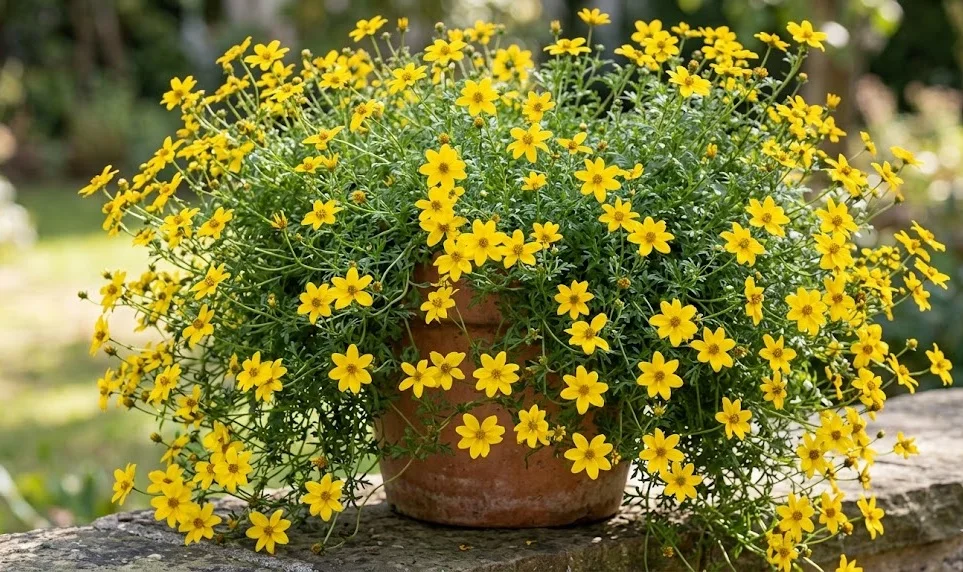

Maintaining the perfect shape and encouraging a never-ending supply of flowers requires a thoughtful approach to pruning and trimming throughout the season. These plants are exceptionally vigorous and can sometimes become overgrown or untidy if left entirely to their own devices. You will find that regular intervention not only improves the aesthetic appeal of your display but also stimulates the production of fresh, healthy growth. This guide outlines the professional techniques for shaping, deadheading, and rejuvenating your golden trailing plants for the best possible results.
The art of shaping and pinching
Starting your maintenance routine early in the season is the best way to ensure a full and bushy habit as the plant matures. When your young plants are about ten to fifteen centimeters long, you can use your fingers to “pinch” off the very tips of the main growing stems. This simple action interrupts the plant’s apical dominance and encourages it to send out multiple side branches from the leaf nodes below the cut. This technique is a professional secret for transforming a single, thin stem into a dense and attractive mound of greenery.
As the stems begin to trail over the edges of your hanging baskets, you might want to direct their growth to create a more symmetrical or intentional look. You can selectively prune away any branches that are growing in the wrong direction or that appear much longer than their neighbors. Regular light trimming every few weeks helps maintain a neat and tidy appearance without ever putting the plant under significant stress. This ongoing “grooming” only takes a few minutes but makes a huge difference in how professional your balcony display looks to passersby.
If you find that the center of the plant is becoming thin or sparse while the tips are lush and full, it may be time for a slightly more aggressive shaping session. You can cut back some of the longer trailers by about one-third to encourage the plant to fill in the gaps closer to the base. This redirects the plant’s energy inward and ensures that the entire display remains thick and vibrant from top to bottom. Don’t be afraid to use your shears; these plants are remarkably resilient and will quickly produce new shoots to replace what you have removed.
Always use sharp, clean tools when performing any kind of pruning to ensure that you make clean cuts that heal quickly. Crushing the stems with dull scissors can create entry points for disease and may cause the remaining parts of the branch to die back. A quick wipe with a disinfectant between different plants is also a professional habit that prevents the spread of any hidden pathogens. By treating your plants with care and precision, you are supporting their long-term health and beauty throughout the entire growing season.
More articles on this topic
Deadheading for continuous bloom
One of the most effective ways to keep your plants producing a constant stream of golden flowers is through the practice of deadheading. This involves removing the spent blooms before they have a chance to develop into seed pods, which signals the plant to keep producing new buds. While many modern varieties are marketed as “self-cleaning,” manually removing the old flowers can still provide a cleaner and more professional look. It also allows you to inspect the plant closely for any early signs of pests or other issues that might need attention.
To deadhead correctly, you should follow the flower stem back to the first set of healthy leaves and make your cut just above that point. This prevents leaving behind unsightly “stubs” of dead stems that can become brown and brittle over time. If the plant is covered in hundreds of small flowers, you can use a more general approach by lightly shearing the entire surface of the foliage with a pair of garden snips. This “haircut” removes the majority of the old blooms and stimulates a fresh flush of growth and flowers within a week or two.
Deadheading is particularly important during the heat of mid-summer when the plant might naturally want to slow down its flower production and focus on seeds. By intervening, you are essentially tricking the plant into staying in its most productive phase for as long as possible. You will notice that the overall color of your containers remains much more vibrant and consistent when you stay on top of this simple task. It is a relaxing and rewarding activity that keeps you connected to the daily progress of your garden.
Even if you can’t get to every single spent flower, a quick session once or twice a week will make a noticeable difference in the quantity of blossoms. You might find it helpful to keep a small pair of snips near your balcony seating so you can tidy up the plants while you enjoy your morning coffee. This integrated approach to maintenance makes gardening feel like a natural part of your routine rather than a chore. The reward is a breathtaking display of gold that never seems to fade or lose its charm.
More articles on this topic
Mid-season rejuvenation pruning
By late July or August, some plants might start to look a bit tired or “stretched out” after several months of rapid growth. This is the perfect time for a mid-season rejuvenation prune, which involves a more significant cutting back of the entire plant. You can reduce the length of all the stems by about half, which might look a bit drastic at first but will pay off in the long run. Within just a few days, you will see a surge of fresh, bright green growth appearing from all the cut points.
This rejuvenation process removes any old, weathered foliage that might have become damaged by wind, heat, or minor pest issues earlier in the year. It also gives you a chance to clear out any dead leaves that have accumulated in the center of the plant, improving air circulation and light penetration. Following a major prune like this with a good watering and a dose of balanced fertilizer will help the plant recover quickly. You are essentially giving your garden a “second spring” that will carry it through the remaining months of autumn.
If you have multiple containers, you might want to stagger your rejuvenation pruning so that you always have some plants in full bloom while others are recovering. This ensures that your balcony never looks completely bare and maintains a consistent level of color throughout the late summer. The new growth that emerges after a hard prune is often even more vibrant and productive than the original spring foliage. This expert technique is what allows professional displays to stay looking perfect until the very first frost of the year.
Reflecting on how your plants respond to different levels of pruning will help you refine your skills for the following seasons. You might find that some varieties respond better to frequent light trimming, while others prefer a single major cut-back in the middle of the year. Every plant is an individual, and learning its specific “language” is one of the most fascinating aspects of being a skilled gardener. Enjoy the process of shaping and guiding your golden blooms, knowing that your expert touch is what makes them truly spectacular.