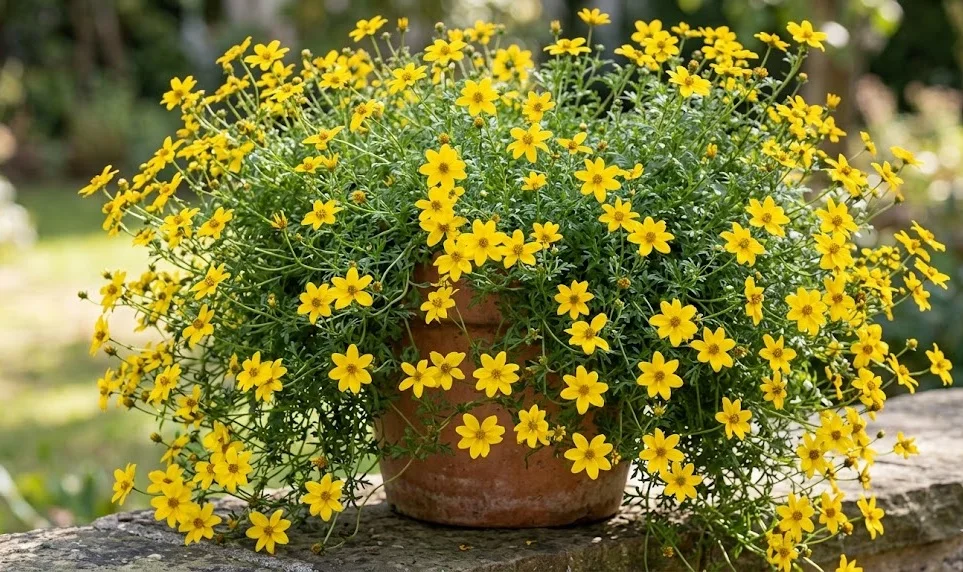

Taking care of these vibrant yellow flowers requires a bit of attention but the rewards are truly spectacular for any garden enthusiast. These plants are known for their trailing habit and prolific blooming throughout the summer months which makes them a favorite for hanging baskets. You will find that consistent care leads to a dense carpet of gold that can transform any balcony into a professional-looking floral display. Understanding the specific needs of this species is the first step toward a successful growing season that lasts from spring until the first frost.
Creating the ideal environment
The foundation of healthy growth starts with selecting the right location within your outdoor space for these sun-loving plants. You should look for a spot that receives plenty of direct sunlight throughout the day to encourage maximum flower production. If the environment is too shady, the stems may become leggy and the number of blossoms will significantly decrease over time. Ensuring proper air circulation around the foliage is also crucial to prevent any moisture-related issues that might arise in humid conditions.
Temperature plays a vital role in how well these plants establish themselves during the early stages of the growing season. They generally prefer warm conditions and will thrive once the threat of overnight frost has completely passed in your region. You should monitor local weather patterns closely before placing your containers outside permanently for the summer. Providing a stable environment without drastic temperature swings will help the plant focus its energy on developing a strong root system and lush greenery.
The choice of container or garden bed also impacts the long-term health and vitality of your floral arrangement. Larger pots allow for better root expansion and hold moisture more effectively than very small or shallow alternatives. You should ensure that every container has adequate drainage holes to allow excess water to escape freely after heavy rain or irrigation. A well-draining potting mix specifically designed for flowering plants will provide the structural support and aeration needed for vigorous growth.
Maintaining the aesthetic appeal of your display involves checking the plant regularly for any signs of environmental stress or physical damage. Strong winds can sometimes break the delicate trailing stems, so placing them in a slightly sheltered position can be beneficial. You might notice that the plant responds quickly to changes in its surroundings by shifting the orientation of its leaves toward the light source. By observing these small cues, you can adjust the placement of your pots to ensure even growth on all sides of the arrangement.
More articles on this topic
Soil quality and preparation
Providing a nutrient-rich substrate is essential for supporting the rapid growth rate that these plants are famous for during the peak season. You should aim for a high-quality peat-based or compost-rich potting soil that retains some moisture while remaining loose and airy. Heavy clay soils should be avoided as they tend to compact and restrict the movement of oxygen around the sensitive roots. Adding a bit of perlite or vermiculite can further enhance the texture and drainage capabilities of your chosen growing medium.
The pH level of the soil should ideally be slightly acidic to neutral to ensure optimal nutrient uptake from the ground. You can easily test your soil if you are planting directly into garden borders to make sure the conditions are right for success. If the soil is too alkaline, you might observe yellowing of the leaves which indicates a deficiency in essential minerals like iron. Correcting the soil composition before planting will save you a lot of trouble and intervention later in the summer.
Organic matter is a fantastic addition to any planting hole or container mix as it provides a slow-release source of energy. You can mix in well-rotted garden compost or a handful of organic pellets to give your plants a healthy head start. This initial boost helps the foliage develop a deep green color and provides the strength needed to produce the first flush of flowers. Regularly refreshing the top layer of soil in older containers can also help maintain a healthy microbial balance for the roots.
Proper preparation also involves ensuring the soil is moist but not saturated before you even begin the planting process. You should work the soil to a fine tilth and remove any large stones or debris that might interfere with root development. Creating a welcoming environment from the very beginning allows the plant to settle in quickly without experiencing significant transplant shock. Investing time in soil preparation is the most effective way to guarantee a lush and productive display throughout the entire year.
More articles on this topic
Sustaining growth through the season
As the plant matures, you will notice that its water and nutrient requirements increase significantly due to the sheer volume of flowers. You must keep a close eye on the moisture levels of the soil, especially during periods of extreme heat or prolonged dry spells. The plant will often signal its need for water by wilting slightly, but it usually recovers quickly once it receives a deep soak. Developing a consistent routine for checking your plants will help prevent the stress associated with erratic moisture levels.
Feeding your plants is another critical aspect of sustained care that should not be overlooked if you want continuous blooming. A balanced liquid fertilizer applied every two weeks will provide the necessary phosphorus and potassium for flower development. You should always follow the manufacturer’s instructions regarding dosage to avoid the risk of salt buildup in the soil or burning the roots. This regular infusion of nutrients ensures that the plant doesn’t run out of energy halfway through the summer.
Monitoring the overall shape and density of the foliage helps you decide when to intervene with minor maintenance tasks. If the plant starts to look a bit thin in the center, it might be a sign that it needs more light or a slight boost in nutrition. You can encourage a bushier habit by occasionally pinching back the tips of the growing stems during the early weeks. This simple technique redirects the plant’s energy into side branching, resulting in a much fuller and more attractive appearance.
Keeping the area around your plants clean and free of fallen leaves or spent blooms helps maintain a professional look. While many modern varieties are self-cleaning, removing any dead material manually can still help prevent the spread of diseases. This practice also allows you to inspect the underside of the leaves for any hidden issues that might be developing. A tidy garden environment is not only more beautiful but also much healthier for every living thing within it.
Seasonal transitions and adaptation
When the peak of summer transitions into the cooler days of autumn, the growth rate of the plant will naturally begin to slow down. You should start reducing the frequency of fertilization as the days shorten and the intensity of the sun decreases. The plant will still produce flowers, but they may appear at a slower pace compared to the frantic activity of July and August. Paying attention to these natural cycles allows you to adjust your care routine to match the plant’s changing metabolic needs.
Cooler nights can actually enhance the color of the flowers, making the golden hues appear even more vibrant against the green foliage. You might find that the plant becomes slightly more susceptible to mildew if the autumn rains are frequent and the air remains still. Ensuring that there is still plenty of space between containers will help maintain the airflow needed to keep the leaves dry. This period is a great time to evaluate the performance of different varieties to plan for next year’s garden.
If you live in a region with mild winters, you might see the plant persist much longer than in colder northern climates. However, for most gardeners, the arrival of the first hard frost marks the end of the outdoor growing season for this particular species. You should decide whether you want to try and save the plant for next year or simply compost it and start fresh. Being prepared for the change in weather ensures that you are not caught off guard by a sudden drop in temperature.
Preparing for the end of the season involves a final inspection of the plant’s overall health and vigor. You can take note of which locations in your garden provided the best results for future reference. Cleaning your pots and tools at the end of the year is a professional habit that prevents the carryover of pests to the next season. Reflecting on the successes and challenges of the past few months will make you a more skilled and confident gardener over time.
Long-term health strategies
One of the best ways to ensure long-term success is to diversify the types of plants you grow alongside your golden blooms. Companion planting can help create a more stable ecosystem that naturally discourages certain pests and encourages beneficial insects. You might pair them with purple or blue flowering plants to create a striking color contrast that catches the eye. This approach not only looks better but also supports a healthier environment for all your garden inhabitants.
Rotating the location of your pots or changing the soil entirely each year is a professional technique used to prevent soil-borne diseases. Even if the plant looked healthy all summer, pathogens can sometimes build up in the substrate over time. Starting with fresh, sterile potting mix each spring gives your new plants the best possible chance to thrive without competition. It also allows you to incorporate the latest soil amendments or slow-release fertilizers into the mix.
Keeping a gardening journal can be an incredibly helpful tool for tracking the performance of your plants over several years. You can record the dates of planting, the first bloom, and any specific issues you encountered during the season. This information becomes invaluable when you are trying to troubleshoot problems or repeat your greatest successes. Over time, you will develop a deep understanding of the unique microclimate in your own garden and how it affects your plants.
Sharing your experiences and tips with other gardeners is a great way to expand your knowledge and passion for horticulture. You might discover new varieties or innovative care techniques by talking to neighbors or participating in local garden clubs. Gardening is a continuous learning process, and even expert growers find new ways to improve their methods every year. Staying curious and observant will ensure that your balcony remains a source of joy and pride for many seasons to come.
Professional aesthetic tips
To achieve a truly professional look, you should consider the overall composition of your hanging baskets or containers. Mixing different heights and textures can create a more dynamic and interesting visual experience for anyone passing by. These golden flowers work exceptionally well as a “spiller” in the classic “thriller, filler, spiller” design method for container gardening. Placing them at the edges of a pot allows them to cascade gracefully toward the ground, softening the lines of the container.
Color coordination is another aspect that can elevate your garden from simple to stunning with just a little bit of planning. The bright yellow tones are very versatile and can be used to brighten up darker corners or complement warm-colored house paint. You could experiment with monochromatic themes using different shades of yellow and orange for a high-impact, sunny look. Alternatively, using white flowers can provide a crisp and clean appearance that looks particularly elegant in the evening light.
Maintaining the shape of the plant through selective trimming ensures that it doesn’t become too sparse or overgrown for its space. You can direct the growth to one side or keep it symmetrical depending on where the container is placed against a wall. A well-maintained plant always looks more intentional and professional than one that has been left to grow wild without guidance. Regular “grooming” only takes a few minutes a week but makes a significant difference in the final result.
Lighting can also play a role in how your garden is perceived during different times of the day. Placing your golden flowers where they can catch the late afternoon “golden hour” sun will make them appear to glow from within. If you have outdoor seating, consider placing these vibrant plants nearby where their cheerful color can be enjoyed up close. Small details like the choice of pot material or color can also contribute to a cohesive and professionally designed outdoor living space.
Conclusion on general maintenance
Consistency is truly the secret ingredient when it comes to maintaining a beautiful and healthy garden throughout the year. While these plants are relatively hardy, they will always perform best when their basic needs for light, water, and food are met reliably. You don’t need to spend hours every day in the garden, but a few minutes of mindful observation can catch small issues before they become big problems. Developing a relationship with your plants through regular care is one of the most rewarding aspects of the hobby.
The cycle of growth, bloom, and rest is a natural process that every gardener should learn to appreciate and respect. Each stage of the plant’s life offers something different, from the excitement of the first green shoots to the abundance of mid-summer flowers. Even the quiet period of late autumn has its own beauty as the garden prepares for its winter slumber. Understanding these stages helps you become more patient and attuned to the needs of the natural world.
As you gain more experience, you will find that your intuition for what the plants need will become much sharper and more accurate. You will start to recognize the subtle changes in leaf color or stem strength that indicate a need for more water or fertilizer. This “green thumb” is not a magical gift but rather the result of careful observation and a genuine interest in the well-being of your garden. Every successful season adds to your store of knowledge and makes the next year even better.
Ultimately, the goal of gardening is to create a space that brings you happiness and provides a sanctuary for nature. These golden flowers are a perfect choice for achieving that goal due to their cheerful appearance and reliable performance. Whether you have a large backyard or just a small balcony, you can enjoy the beauty of these plants with just a bit of effort. May your garden always be a place of growth, color, and inspiration for you and everyone who sees it.