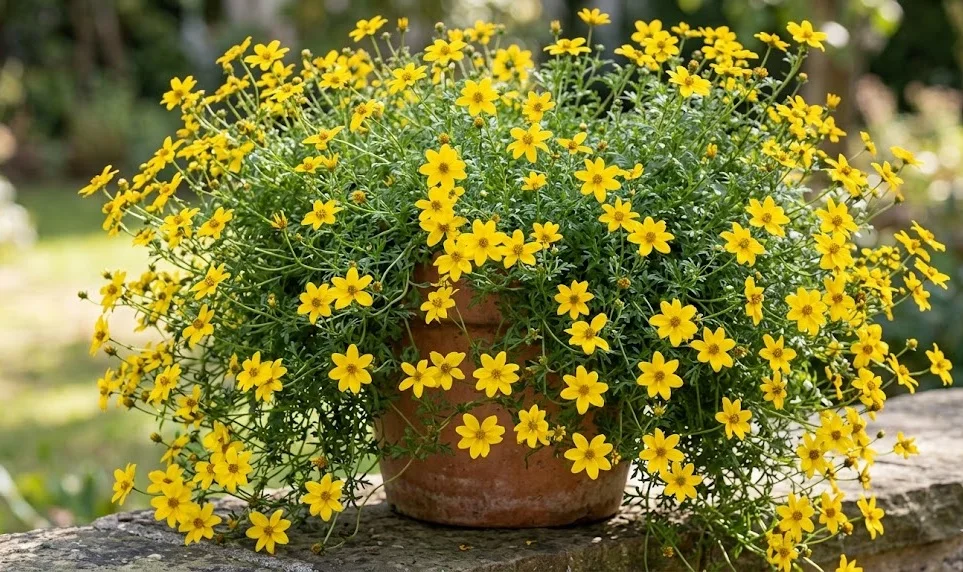

The spectacular golden glow of these flowers is a direct result of their intense relationship with the sun’s energy throughout the growing season. To achieve the dense, trailing carpets of color that define a professional balcony display, you must understand exactly how to position your plants for maximum light absorption. You will find that light is the primary driver for both the speed of growth and the sheer quantity of blossoms produced by each individual specimen. This guide explores the nuances of light management to help you create the brightest and most vibrant garden possible.
The importance of full sun exposure
To truly thrive and reach their full potential, these plants require a location that provides at least six to eight hours of direct sunlight every single day. The more sun they receive, the more compact and floriferous they will become as they trail over the edges of your containers. Direct sunlight provides the high levels of energy needed for the continuous production of the bright yellow pigments in the petals. If the light levels are insufficient, the plant will spend its limited energy on stretching its stems toward the nearest light source rather than creating flowers.
You should prioritize south or west-facing positions on your balcony or in your garden to capture the most intense rays of the afternoon sun. These locations are ideal because they provide the heat and light intensity that these heat-loving plants have evolved to enjoy. Even in the height of summer, these resilient flowers can handle the full force of the sun without wilting, provided they have adequate moisture at their roots. Choosing the brightest spot available is the single most important decision you will make for the success of your display.
If you are forced to grow them in a spot with less than ideal light, you might notice that the gaps between the leaves become longer and the overall appearance becomes “leggy.” The stems will lose their sturdy, upright habit and may appear weak or sparse, which can detract from the professional look of your hanging baskets. You can sometimes compensate for slightly lower light by being even more diligent with your fertilization and pruning routines to encourage branching. However, there is truly no substitute for the raw energy provided by a clear, sunny sky for these particular flowers.
Observing the way light moves across your outdoor space at different times of the year is a hallmark of an expert gardener. A spot that is sunny in June might be shaded by a nearby tree or building by the time August arrives and the sun sits lower in the sky. Being willing to move your pots or adjust their height throughout the season ensures that your plants always have a front-row seat to the best solar exposure. This proactive approach to light management keeps your garden looking fresh and productive from the first day of spring until the end of autumn.
More articles on this topic
Managing light and heat during extremes
While these plants love the sun, extreme heatwaves combined with intense radiation can sometimes test the limits of even the hardiest varieties. In regions where the summer sun is exceptionally punishing, you might find that the plants benefit from a little bit of light dappled shade during the very hottest part of the afternoon. This brief “rest” can help prevent the delicate petals from scorching and reduce the amount of water lost through the leaves. However, this should be a temporary measure rather than a permanent location for the best results.
If your plants are in hanging baskets, remember that they are exposed to light and heat from all sides, including the air circulating beneath them. This can lead to a much higher rate of evaporation and heat stress than plants growing directly in the ground or in large, shaded pots. You can help manage this by using light-colored containers that reflect some of the heat rather than absorbing it like dark plastic or metal. Every small adjustment you make to mitigate the effects of extreme heat helps maintain the health and vigor of your golden display.
Light also plays a role in the temperature of the soil, which in turn affects the health and activity of the root system. In very sunny spots, the soil in small containers can become surprisingly hot, which may stress the fine feeder roots that are responsible for nutrient uptake. Using larger pots or double-potting techniques can provide an extra layer of insulation against the intense thermal energy of the sun. Keeping the roots cool while the foliage enjoys the bright light is a professional secret for maintaining a lush and happy garden.
When the days become exceptionally long in mid-summer, you will see a dramatic surge in growth that requires you to be even more vigilant with your care. The high light levels accelerate the plant’s metabolism, meaning it will use up water and nutrients much faster than it does in the early spring. You should treat light not just as a static requirement, but as a dynamic force that dictates the pace of your entire gardening routine. Understanding this relationship allows you to stay ahead of the plant’s needs and provide a stable environment for continuous blooming.
More articles on this topic
Adapting to seasonal light changes
As the season transitions from the height of summer into the shorter days of autumn, the angle and intensity of the light will begin to change significantly. You might notice that the plant starts to grow more slowly and the time between flushes of flowers becomes slightly longer. This is a natural response to the decreasing solar energy and is nothing to worry about as long as the plant still looks healthy. You can often extend the blooming season by moving your pots to the very sunniest spots remaining on your balcony as the shadows lengthen.
In the early spring, the light can sometimes be deceptively intense even if the air temperatures are still quite cool. When you first move your plants or seedlings outdoors, you must be careful not to expose them to full sun immediately if they have been growing in a protected environment. Their leaves need time to develop a thicker “skin” or cuticle to handle the UV radiation without being damaged or bleached white. This gradual acclimation process ensures that the transition to the bright outdoor world is successful and stress-alluring.
Cloudy or rainy spells that last for several days can temporarily slow down the production of new flower buds, but the plants will usually bounce back quickly once the sun returns. These resilient golden blooms are excellent at capturing every bit of available light even when conditions are less than perfect. You can help them by keeping the foliage clean and free of dust or debris, which allows for maximum photosynthetic efficiency. A quick rinse after a dusty windstorm is a small task that pays off in a much healthier and more productive plant.
Ultimately, mastering the light requirements of your garden is about finding the perfect balance for your specific microclimate. Every balcony and garden is unique, and you will learn over time which spots provide the best results for your favorite yellow flowers. The joy of seeing your plants respond to the sun with a burst of golden color is one of the most rewarding aspects of the hobby. By providing the light they crave, you are ensuring that your outdoor space remains a bright and cheerful sanctuary all summer long.