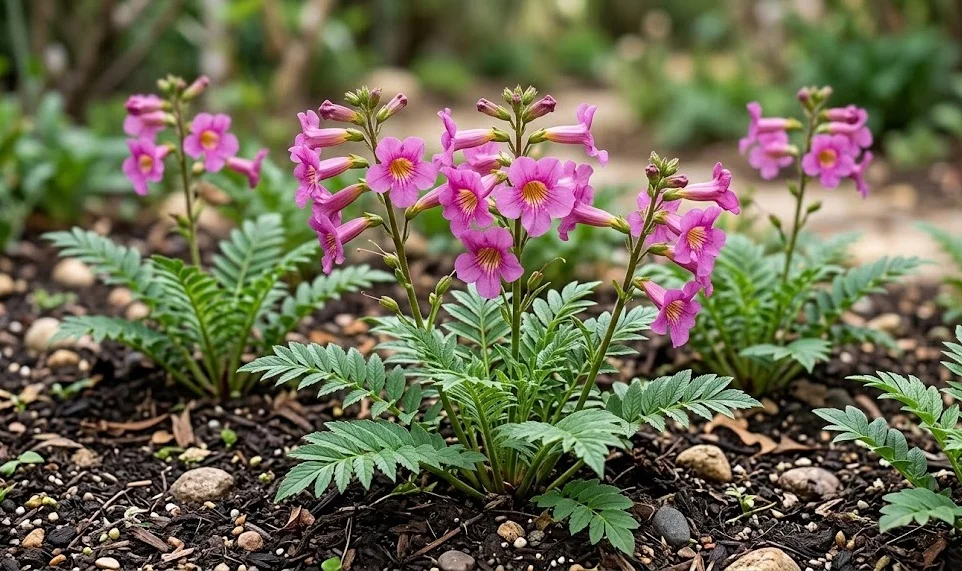

Protecting the chinese trumpet flower from various biological threats is a critical task for any gardener who values the aesthetic and health of their landscape. While this species is generally robust, it is not entirely immune to the pressures of pests and diseases that can thrive in certain environmental conditions. Early detection and a professional management strategy are essential for preventing a minor issue from becoming a localized epidemic in your flower beds. By understanding the common enemies of this plant, you can take proactive steps to safeguard its growth and ensure a successful flowering season.
The key to effective pest and disease management is regular and thorough inspection of your plants throughout the entire growing season. You should look for subtle changes in leaf color, the presence of unusual spots, or signs of physical damage to the stems and flowers. Many problems can be resolved easily if they are caught in the earliest stages, before the pest population grows or the disease spreads. A professional approach involves being a keen observer of nature and responding quickly to any signs of distress.
Environmental stress is often the precursor to pest and disease outbreaks, as weakened plants have fewer natural defenses. Factors such as poor drainage, nutrient deficiencies, or improper lighting can make the chinese trumpet flower much more susceptible to attack. Maintaining a healthy garden environment through proper watering and soil care is the first and most important line of defense. A thriving plant is naturally more resilient and better able to recover from the occasional encounter with a pest or pathogen.
When intervention is necessary, it is always best to start with the least invasive methods to protect the beneficial insects in your garden. This integrated pest management approach focuses on long-term prevention and targeted treatments rather than the broad use of harsh chemicals. By working with the natural systems in your garden, you can manage pests and diseases in a way that is both effective and environmentally responsible. Knowledge and patience are your best tools for maintaining a healthy and vibrant garden display.
Identifying common fungal issues
Fungal diseases are perhaps the most common health challenges faced by the chinese trumpet flower, particularly in humid or overly wet environments. Powdery mildew is a frequent visitor, appearing as a white, flour-like coating on the surface of the leaves and stems. While it is rarely fatal, it can significantly reduce the plant’s aesthetic value and weaken it by interfering with photosynthesis. Improving air circulation around the plants and avoiding overhead watering are two effective ways to prevent this issue from taking hold.
More articles on this topic
Leaf spot is another fungal condition that can manifest as brown or black circular marks on the foliage, sometimes surrounded by a yellow halo. These spots can eventually merge, causing large sections of the leaf to die and fall off prematurely. If you notice these symptoms, it is important to remove and destroy the affected leaves immediately to prevent the spores from spreading. Keeping the garden floor clean of fallen debris will also help to break the lifecycle of the fungi and reduce future infections.
Root rot is the most serious fungal threat and is almost always a result of poor soil drainage or over-watering. Because the damage happens underground, the first signs you might notice are yellowing leaves or a sudden wilting of the entire plant. By the time these symptoms appear, the internal structure of the taproot may already be severely compromised. Prevention through proper site selection and soil preparation is the only truly effective way to manage this devastating condition.
If you must use a fungicide, choose one that is specifically labeled for the disease you are treating and follow all safety instructions. Many organic options, such as sulfur-based sprays or neem oil, can be very effective if applied correctly at the first sign of trouble. Always test a small area of the plant first to ensure there is no adverse reaction to the treatment. Consistency in monitoring and a quick response are the hallmarks of professional disease management in the garden.
Managing common garden pests
Slugs and snails are notorious for their love of the tender new growth of the chinese trumpet flower, especially in the early spring. These nocturnal pests can strip a young plant of its leaves in a single night, leaving behind tell-tale slime trails and ragged holes. You can manage their population by removing hiding spots like piles of rocks or long grass near your flower beds. Hand-picking them in the evening or using environmentally friendly barriers can also protect your plants without harming other wildlife.
More articles on this topic
Aphids are small, sap-sucking insects that often congregate on the tips of new shoots or the undersides of leaves. They can cause the foliage to curl and become distorted, and they may also secrete a sticky substance called honeydew that attracts ants and promotes sooty mold. A strong blast of water from a garden hose is often enough to dislodge these pests and keep their numbers under control. For more persistent infestations, an application of insecticidal soap can be a very effective and low-impact solution.
Spider mites are another potential threat, particularly during hot and dry weather when they thrive in the dusty conditions. These tiny pests are difficult to see with the naked eye, but their presence is often signaled by fine webbing and a stippled, yellowed appearance on the leaves. Increasing the humidity around the plant and keeping the soil properly hydrated can help to discourage these pests. If the infestation is severe, you may need to use a targeted miticide to protect the health of your specimen.
Vine weevil larvae can occasionally cause problems by feeding on the roots of the plant, especially if it is grown in a container. The adult weevils are recognizable by the notched edges they leave on the leaves, but the real damage is done underground by the grubs. If you suspect vine weevils, you can use biological controls like parasitic nematodes to manage the larval population in the soil. Professional pest management requires identifying both the visible symptoms and the hidden causes of plant distress.
Preventing environmental and physiological disorders
Not all plant problems are caused by external organisms; some are the result of the plant’s reaction to its physical environment. Sunscald can occur if the plant is suddenly moved from a shaded area to a very bright, sunny location without being properly acclimated. This appears as bleached or papery patches on the leaves where the tissue has been damaged by intense UV radiation. Gradually hardening off your plants is the best way to prevent this type of physiological stress and ensure a smooth transition.
Nutrient deficiencies can also manifest in ways that mimic disease, such as the yellowing between leaf veins known as chlorosis. This is often a sign that the plant is unable to absorb enough iron or magnesium from the soil, possibly due to a pH imbalance. Before applying more fertilizer, you should test the soil to ensure that the chemical environment is suitable for nutrient uptake. Correcting the underlying soil issue is the only way to provide a permanent solution to these types of metabolic problems.
Water stress, whether from too much or too little moisture, can lead to the dropping of flower buds before they have a chance to open. This is a common frustration for gardeners, as it deprives them of the very display they have been working to achieve. Maintaining consistent soil moisture and protecting the plant from drying winds can help to minimize this risk. Understanding the specific cultural requirements of the chinese trumpet flower is essential for avoiding these preventable setbacks.
Frost damage can occur if a late spring frost hits just as the tender new shoots are emerging from the soil. The damaged tissue will often turn black and soft, which can invite secondary infections from opportunistic fungi or bacteria. If a frost is predicted, you should cover your young plants with a frost cloth or an inverted bucket to provide a small buffer of warmth. Taking these simple preventive steps is a key part of the professional gardener’s toolkit for protecting sensitive perennials.
Integrated pest management strategies
Integrated Pest Management (IPM) is a professional philosophy that combines multiple techniques to manage garden health in a sustainable way. The first step in any IPM plan is to build a garden that supports natural predators like ladybugs, hoverflies, and birds. These beneficial organisms act as a constant, natural control for many of the common pests that might otherwise damage your flowers. By avoiding the use of broad-spectrum pesticides, you allow these helpful allies to thrive and do much of the work for you.
Proper sanitation is another vital component of a successful management strategy for both pests and diseases. Removing dead leaves, spent flowers, and any diseased plant material from the garden reduces the number of places where pathogens and insects can overwinter. It is a simple but highly effective habit that significantly lowers the overall “pest pressure” in your landscape. A clean garden is naturally a healthier garden, and the results are clearly visible in the vigor of your plants.
Using physical barriers can also be a highly effective way to protect your chinese trumpet flower from specific threats. Copper tape can deter slugs and snails from entering a container, while fine netting can protect young plants from being eaten by rabbits or birds. These methods are safe, reusable, and do not introduce any harmful chemicals into your local environment. Choosing the right tool for the job is a sign of a thoughtful and experienced horticulturalist.
Finally, remember that a certain amount of minor damage is normal in any healthy, living garden and does not always require action. Learning to tolerate a few chewed leaves or the occasional aphid allows you to focus your energy on the most significant threats. The goal is not to create a sterile environment but a balanced one where the plants can thrive alongside the rest of nature. This balanced perspective is what allows a garden to truly mature and become a source of lasting beauty and joy.
Long-term resilience and recovery
If your chinese trumpet flower has suffered from a serious pest or disease issue, the focus should shift to helping it recover and rebuild its strength. Providing optimal care, such as consistent watering and a light feeding of balanced fertilizer, will support the growth of healthy new tissue. You should also address the environmental factors that contributed to the problem in the first place, such as improving drainage or adjusting the light levels. Recovery is a slow process that requires patience and continued attention from the gardener.
Documenting the issues you encounter and the treatments that were effective is an invaluable practice for long-term success. Over time, you will develop a deep understanding of the specific challenges in your garden and the best ways to overcome them. This personal knowledge base allows you to become more proactive and less reactive in your approach to plant health. Every challenge is an opportunity to learn more about the fascinating world of horticulture and the resilience of nature.
Sometimes, despite your best efforts, a plant may become so severely diseased or infested that the best course of action is to remove it entirely. This is a difficult decision but is sometimes necessary to protect the rest of your garden from the spread of a contagious problem. If you must remove a plant, do not replant the same species in that spot immediately, as the pathogens may still be present in the soil. Rotating your plantings and allowing the soil to rest can help to break the cycle of disease.
Ultimately, the health of your chinese trumpet flower is a reflection of the care and attention you provide throughout its life. By staying informed, observant, and proactive, you can manage the common diseases and pests that might otherwise diminish your garden. The beauty of the large, exotic blooms is well worth the effort required to protect them from the many challenges of the natural world. A healthy garden is a testament to your skill and dedication as a steward of the land.