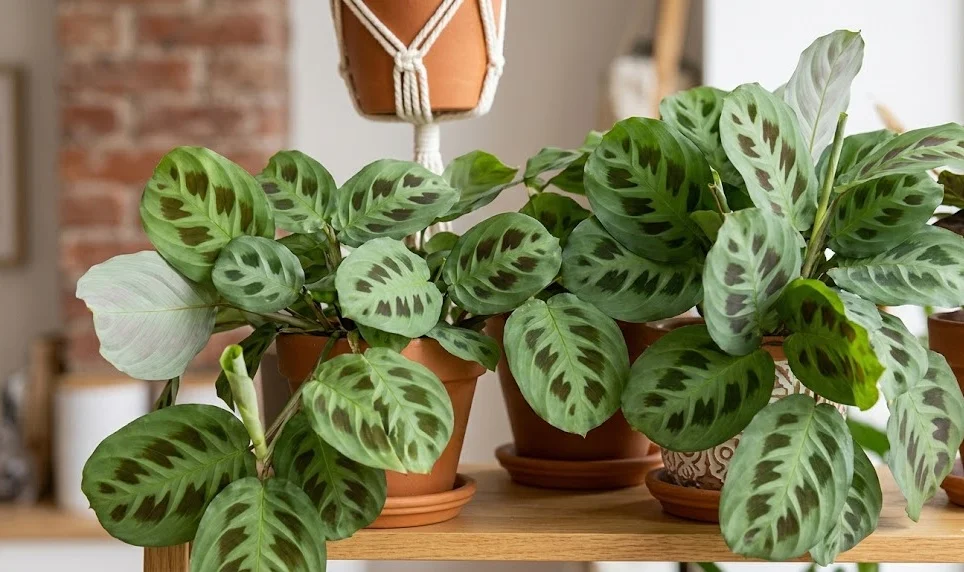

Preparing your prayer plant for the winter months is a critical aspect of its annual care cycle that ensures its survival during the darker season. In temperate climates, the shift from autumn to winter brings a dramatic change in light intensity, temperature, and indoor humidity. These changes require a corresponding adjustment in your management practices to prevent stress and decline. A successful overwintering strategy focuses on stability and protection rather than forcing active growth during a natural period of rest.
During the winter, the metabolic rate of the plant slows down significantly as it enters a semi-dormant state. It is a common mistake for indoor gardeners to continue their summer care routines, which can lead to over-watering and nutrient imbalances. The plant’s demand for both moisture and fertilizer drops as the days become shorter and the sun sits lower in the sky. Recognizing and respecting this natural rhythm is the key to maintaining a healthy specimen through the cold months.
Indoor heating systems present one of the biggest challenges for tropical plants during the winter season. These systems often strip the moisture from the air, creating a desert-like environment that is the opposite of the plant’s native rainforest. You must be proactive in managing the microclimate around your plant to prevent the leaves from drying out and turning brown. This period of the year requires more monitoring of the atmosphere than of the soil itself.
The goal of overwintering is to bring the plant through to the spring in a healthy, if somewhat stagnant, condition. Do not be alarmed if the plant stops producing new leaves or if its movements become less pronounced during this time. This is a normal part of the plant’s life cycle and does not necessarily indicate a problem with its health. By providing a stable and protective environment, you set the stage for a vigorous return to growth when the light returns in the spring.
Transitioning to the dormant season
As the days begin to shorten in late autumn, you should start gradually reducing the amount of water you provide to the plant. The decrease in natural light means that the plant is photosynthesizing less and therefore using less water from the soil. If you keep the soil as wet as you do in the summer, you risk saturating the roots and inviting fungal infections. Aim to let the top two to three centimeters of soil dry out between waterings during this period.
More articles on this topic
Stop all fertilization by the end of October to allow the plant to naturally transition into its rest phase. Adding nutrients when the plant is not actively growing can lead to a buildup of salts that can damage the sensitive roots. This “fasting” period is beneficial for the plant’s long-term health and mirrors the seasonal variations found in nature. You will resume feeding once you see the first signs of active growth in the early spring.
Be mindful of the changing light patterns in your home as the sun’s position shifts throughout the year. A spot that was perfect in the summer may become too dark in the winter, or a previously shaded window might suddenly receive direct, harsh light. You may need to move your plant closer to a window or into a different room to ensure it still receives adequate brightness. However, always avoid placing it so close to the glass that it feels the cold radiating from the outside.
This is also a good time to give the plant a final thorough cleaning before the winter settles in. Wipe down the leaves to remove any accumulated dust and inspect the entire plant for any late-season pests. Starting the winter with a clean and healthy plant makes it much more likely to survive the challenges of the indoor heating season. Preparation in the autumn is the best way to ensure a stress-free winter for both you and your plant.
Winter temperature and drafts
Maintaining a stable temperature is one of the most important factors in successful overwintering for this tropical species. While the plant can tolerate slightly cooler conditions than in the summer, it should never be exposed to temperatures below fifteen degrees Celsius. Cold stress can cause the leaves to turn yellow or drop suddenly, as the plant’s biological processes are disrupted. A consistent room temperature between eighteen and twenty-one degrees is ideal for the winter months.
More articles on this topic
Drafts are a major threat during the winter, whether they are cold air from a window or hot air from a radiator. Cold drafts from poorly insulated windows or frequently opened doors can cause localized chilling that leads to leaf damage. Conversely, being placed too close to a heating vent can cause the foliage to dry out at an alarming rate. Position your plant in a spot that is sheltered from these direct air movements while still receiving good ambient light.
If you live in a particularly cold climate, you might consider using a thermal mat or moving the plant away from exterior walls at night. The temperature near a window can drop significantly once the sun goes down, even if the rest of the room feels warm. Pulling the curtains or blinds can provide an extra layer of insulation that helps protect your tropical plants from the night chill. These small adjustments can make a big difference in the plant’s ability to maintain its vigor.
Avoiding sudden temperature fluctuations is just as important as maintaining the correct range. The prayer plant prefers a predictable environment and can be easily stressed by rapid changes in its surroundings. Try to keep the thermostat at a steady level and avoid moving the plant back and forth between different rooms. A stable, calm winter environment allows the plant to conserve its energy for the upcoming growing season.
Adjusting humidity during heating
The drop in indoor humidity during the winter is perhaps the most difficult challenge for any prayer plant enthusiast. When the furnace is running, the relative humidity in a typical home can drop to twenty percent or lower, which is far too dry for this species. Without intervention, you will likely see the leaf edges turning brown and the overall plant looking dull and tired. Increasing the moisture in the air is essential for preventing this aesthetic and physiological decline.
A high-quality room humidifier is the most effective tool for maintaining the necessary humidity levels throughout the winter. Placing it near your plant collection can create a localized zone of moist air that mimics the plant’s natural habitat. If a humidifier is not an option, using large pebble trays filled with water can provide a significant boost to the immediate microclimate. Grouping your moisture-loving plants together also helps, as they collectively release water vapor through transpiration.
Misting can be helpful, but it must be done with caution during the winter to avoid creating conditions for fungal growth. Because the air is cooler and the light is lower, the water on the leaves takes longer to evaporate than in the summer. If you choose to mist, do it early in the morning and only use lukewarm, distilled water to avoid leaf spotting. Remember that misting is a supplement, not a replacement, for a more permanent humidity solution.
Keep a close eye on the plant’s foliage for any signs of humidity-related stress, such as crisp edges or curling leaves. If the air is extremely dry, you might even consider moving the plant to a naturally more humid room like a bathroom or kitchen. However, ensure that these rooms still provide the necessary light and temperature stability. Successfully managing the humidity is the secret to keeping your prayer plant looking lush even in the depths of winter.
Reduced care requirements in winter
One of the hardest lessons for many gardeners to learn is that “less is more” when it comes to winter plant care. Because the plant is not actively growing, it is much easier to kill it with kindness—specifically through over-watering. Your goal should be to keep the plant alive and healthy, rather than trying to force it to look like it does in July. Accepting a slower pace of growth will prevent most of the common winter care mistakes.
Check the soil moisture less frequently than you would in the summer, and always feel deep into the pot before adding water. The soil will take much longer to dry out when the temperatures are cooler and the light is low. Using lukewarm water is even more important in the winter to avoid shocking the roots with the cold. If you are unsure whether to water or not, it is usually safer to wait another day or two during this season.
Avoid any major pruning or repotting during the winter months unless it is an absolute emergency. These activities are stressful for the plant and should be saved for the spring when the plant has the energy to recover and produce new growth. If you notice a dead leaf, you can snip it off, but leave the healthy structure of the plant intact. Let the plant rest and conserve its resources for the burst of activity that will come with the return of the sun.
As spring approaches and the days begin to lengthen, you will notice the plant “waking up” with new leaf spikes emerging from the center. This is your signal to gradually increase your watering frequency and resume a light fertilization schedule. Transitioning slowly out of the winter routine will help the plant adjust without the risk of shock. With a successful overwintering behind you, your rabbit’s foot prayer plant will be ready to thrive for another spectacular season.