
Maintaining the health of a prayer plant involves a proactive approach to identifying and managing potential biological threats. Because these plants thrive in humid environments, they are naturally more susceptible to certain fungal and bacterial issues that favor moisture. Furthermore, the lush foliage can attract a variety of common indoor pests that feed on the sap and weaken the overall structure. Learning to recognize the early warning signs of these problems is the first step toward preserving the beauty of your collection.
Prevention is always the most effective strategy when it comes to plant pathology and pest management. A healthy, well-nourished plant is far better equipped to resist infections and recover from minor insect damage than one that is stressed. Ensuring that your plant has the correct light, water, and humidity levels will go a long way in preventing outbreaks. Regularly inspecting the leaves and stems allows you to catch issues before they escalate into a major crisis.
Hygiene in the garden area is another critical factor that shouldn’t be overlooked by the dedicated enthusiast. Always use sterilized tools when pruning or taking cuttings, and be careful not to transfer soil between different plants. Quarantining any new additions to your home for at least two weeks is a professional standard that prevents the introduction of unwanted pests. By controlling the entry of pathogens into your space, you create a safer environment for all your indoor species.
If you do encounter a disease or a pest infestation, it is important to act quickly and decisively. Many issues can spread rapidly from one leaf to another or even between different plants in a grouped arrangement. Identifying the specific cause of the problem allows you to choose the most appropriate treatment and avoid using unnecessary chemicals. With the right knowledge and a bit of patience, most prayer plant problems can be successfully resolved.
Identifying common fungal infections
Fungal diseases are a frequent challenge for those growing prayer plants due to the high humidity levels these plants require. Leaf spot is one of the most common issues, appearing as small, dark brown or black lesions with a yellow halo. These spots can merge over time, eventually leading to the death of the entire leaf if left untreated. Poor air circulation and water sitting on the leaves for too long are the primary drivers of this condition.
More articles on this topic
To manage a fungal outbreak, you must first remove all affected foliage using sterilized scissors to prevent further spread. Improving the air flow around the plant is essential, which may involve moving it to a more open area or using a small fan. Avoid misting the leaves during an active infection, as the moisture will only help the fungal spores to multiply and move. Providing a drier environment for a short period can help the plant recover and stop the disease cycle.
Powdery mildew is another fungal problem that can manifest as a white, flour-like coating on the surface of the leaves. This is often caused by a combination of high humidity and stagnant air, particularly during the cooler months. While it is rarely fatal, it can significantly weaken the plant and ruin its aesthetic appeal. Treating the leaves with a mild fungicide or a mixture of baking soda and water can often bring the situation under control.
Root rot, while often caused by over-watering, is essentially a fungal attack on the root system under anaerobic conditions. If the base of the stems becomes mushy or the plant wilts despite the soil being wet, root rot is the likely culprit. In this case, you must remove the plant from its pot, trim away any black or slimy roots, and repot it in fresh, dry soil. Fungicides can sometimes help, but correcting the underlying cultural problem is the only permanent solution.
Managing bacterial and root rot
Bacterial diseases can be particularly devastating because they often spread through the plant’s vascular system very quickly. Bacterial leaf spot often looks similar to fungal spot but can appear more “water-soaked” or translucent at the edges. These infections often enter the plant through wounds or natural openings when the environment is excessively warm and wet. Once a bacterial infection takes hold, it can be quite difficult to treat compared to fungal issues.
More articles on this topic
The most effective way to deal with bacterial problems is to immediately isolate the infected plant from the rest of your collection. Prune away the infected parts and be sure to sterilize your tools with alcohol between every single cut. In severe cases, it may be necessary to discard the entire plant to prevent the bacteria from spreading to your other species. Maintaining lower temperatures and reducing humidity temporarily can help slow down the progression of the disease.
Root rot is often the result of Pythium or other water-borne pathogens that thrive in saturated soil. The symptoms often start with the yellowing of the lower leaves and a general lack of vigor in the plant’s growth. If you suspect rot, you must act immediately to save the plant by inspecting the root ball. Healthy roots should be firm and light in color, while diseased ones will be soft, dark, and may have a foul odor.
To prevent these issues from recurring, you must ensure that your potting mix has excellent drainage and that your watering habits are appropriate. Never let the plant sit in a saucer full of water for more than a few minutes after irrigation. Using a high-quality, professional soil mix that includes perlite or orchid bark will help keep the roots aerated even after watering. A healthy root system is the best defense against the various pathogens that inhabit the soil environment.
Controlling spider mite infestations
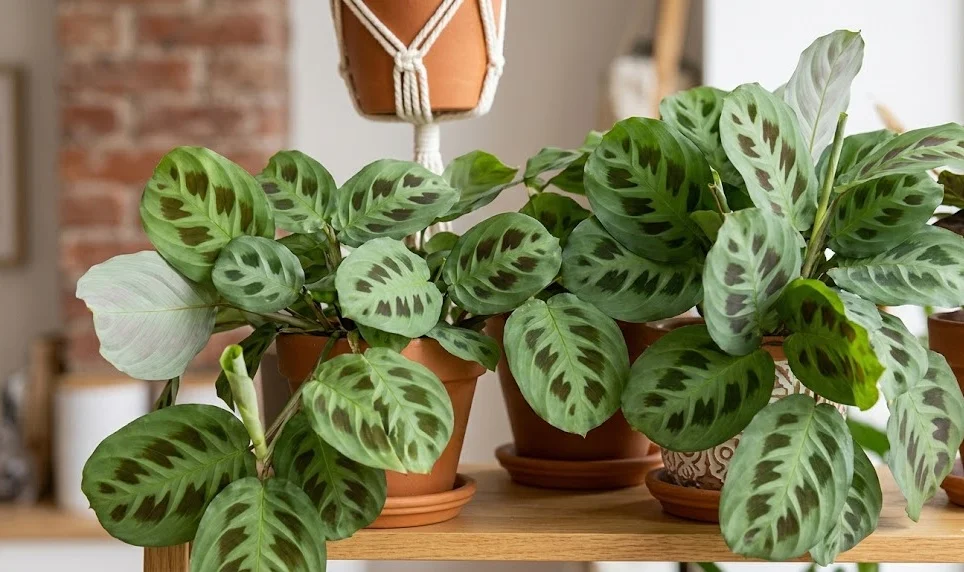
Spider mites are perhaps the most common and frustrating pest encountered by growers of the rabbit’s foot prayer plant. These tiny arachnids thrive in warm, dry air, which is often the case in homes during the winter heating season. They feed by piercing the plant cells and sucking out the contents, leading to a stippled or washed-out appearance on the leaves. Because they are so small, you may notice their fine, silk-like webbing before you actually see the mites themselves.
If you discover spider mites, the first step is to give the plant a thorough shower with lukewarm water. This physical action washes away a large portion of the mite population and their eggs from the foliage. Be sure to spray the undersides of the leaves particularly well, as this is where most of the mites tend to congregate. After the shower, increasing the humidity around the plant will help deter the surviving mites from multiplying.
Neem oil or insecticidal soaps are excellent organic options for controlling more persistent mite infestations. These products work by coating the insects and suffocating them, but they must make direct contact with the pests to be effective. You will likely need to repeat the treatment every five to seven days for several weeks to break the mites’ reproductive cycle. Consistency is key, as even a few surviving mites can quickly rebuild their population if you stop treatment too early.
To prevent spider mites from returning, make sure to keep the humidity high and avoid letting the plant stay dry for too long. Regularly wiping the leaves with a damp cloth not only keeps the plant clean but also allows you to physically remove any early invaders. Keeping the plant away from drafty windows or heating vents will also make the environment less attractive to these pests. A proactive and observant approach is the most effective way to keep your foliage mite-free.
Addressing mealybugs and scale
Mealybugs are easily identified by the white, cottony masses they form in the leaf axils and on the undersides of the foliage. These pests are a type of soft scale insect that produces a sticky substance called honeydew as they feed on the plant’s sap. This honeydew can attract ants and also serve as a substrate for the growth of unsightly black sooty mold. Mealybugs can hide in the smallest crevices, making them a challenge to eliminate entirely from a bushy plant.
For small infestations, you can use a cotton swab dipped in rubbing alcohol to dab the individual bugs and kill them on contact. This method is precise and avoids the need for spraying the entire plant with chemicals. However, you must check the plant daily for several weeks, as new mealybugs can hatch from eggs hidden in the soil or deep in the stems. Persistence is the only way to ensure that you have truly cleared the plant of these invaders.
Scale insects are related to mealybugs but appear as small, hard, brown bumps that are often mistaken for part of the plant’s stem. They are immobile as adults and protect themselves with a waxy shell, which makes them resistant to many contact sprays. Like mealybugs, they suck the sap from the plant and can cause significant weakening and leaf drop if left unchecked. You can often scrape them off gently with a fingernail or a soft brush without damaging the plant tissue.
If the infestation is widespread, using a systemic insecticide may be the most effective way to save the plant. Systemic treatments are absorbed by the plant and kill the insects as they feed on the sap, reaching even the most hidden individuals. Always follow the manufacturer’s instructions carefully when using these products indoors to ensure your safety and the health of the plant. Maintaining high standards of plant hygiene will help you avoid these difficult pests in the future.
Preventative care and hygiene
The best way to deal with any disease or pest is to make sure it never gets a foothold in your home in the first place. This starts with carefully inspecting any new plant you bring into your environment, looking for any signs of movement or unusual spots. Keep new plants in a separate room for at least fourteen days to ensure that no hidden pests have the chance to hatch and spread. This simple quarantine procedure is a hallmark of a truly professional and dedicated indoor gardener.
Maintaining a clean growing area is another essential part of a successful preventative care routine. Regularly remove any fallen leaves or debris from the surface of the soil, as these can harbor pathogens or provide hiding spots for pests. Wiping down the surfaces where your pots sit with a mild disinfectant can also help keep the area free from unwanted visitors. A tidy garden is much easier to manage and far less likely to suffer from sudden outbreaks.
Proper spacing between your plants is often overlooked but is crucial for maintaining good air circulation. When plants are packed too tightly together, humidity can build up to dangerous levels, and pests can easily crawl from one leaf to another. Giving each plant enough room to breathe reduces the risk of fungal issues and makes it easier for you to inspect the foliage. Good air flow is a natural deterrent for many common indoor plant problems.
Finally, always trust your intuition and act as soon as you notice that something is “off” with your prayer plant. Whether it is a slight change in leaf color, a lack of movement at night, or a sticky residue on the leaves, early intervention is always best. Most problems are much easier to solve when they are caught in the initial stages. By being a vigilant and informed caretaker, you can enjoy the stunning beauty of your rabbit’s foot prayer plant for many years to come.