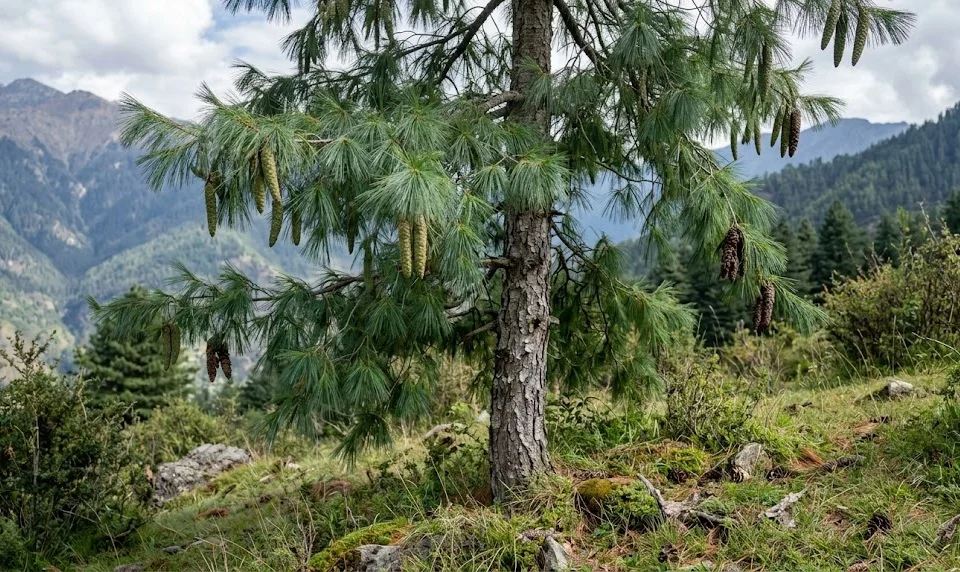

Preparing the Himalayan white pine for the challenges of winter is a vital phase in its annual care cycle. While this species originates from the high-altitude regions of the Himalayas and possesses significant cold tolerance, the fluctuating conditions of a garden environment can still cause stress. A professional approach to overwintering ensures that the tree not only survives the freezing temperatures but emerges in spring with its health and beauty intact. This guide outlines the essential steps to protect your specimen during the coldest months of the year.
Understanding frost tolerance and climate resilience
The Himalayan white pine is generally hardy to USDA zones 5 through 8, meaning it can withstand temperatures as low as minus twenty-nine degrees Celsius. You should understand, however, that “hardiness” refers to the tree’s ability to survive the cold, not necessarily its ability to remain undamaged. Extreme cold combined with high winds can lead to “winter burn,” where the needles lose moisture faster than the frozen roots can replace it. Knowing your local microclimate helps you decide how much extra protection your specific tree might need.
Young trees are significantly more vulnerable to frost damage than mature specimens with established bark and root systems. You should pay extra attention to saplings during their first three to five winters in the ground, as their tissues are more succulent and less insulated. As the tree grows and its bark thickens, it becomes much more resilient to the physical stresses of freezing and thawing. Providing a little extra help in the early years is a wise investment in the tree’s future.
Sudden temperature fluctuations are often more damaging than consistent, deep cold. You should be cautious during late winter or early spring when a warm spell might encourage the tree to start moving sap, only to be hit by a sudden hard freeze. This can cause the bark to crack—a condition known as sunscald or frost cracking—which creates entry points for pests and diseases. Monitoring the weather and understanding these cycles allows you to take temporary protective measures when they are most needed.
Site placement also affects how the tree experiences the winter months. You should know that a tree planted on a south-facing slope or near a reflective wall may warm up too much during the day and freeze rapidly at night. Conversely, a tree in a wind-tunnel between buildings will face much higher desiccation rates than one in a sheltered woodland. Your overwintering strategy should be tailored to these specific environmental factors to be truly effective.
More articles on this topic
Preparing the root system for the winter freeze
The health of the roots during winter is just as important as the health of the needles above ground. You should ensure that the tree is well-hydrated before the first hard freeze, as moist soil holds more heat than dry soil and protects the roots from extreme temperature drops. Deep watering in late autumn, after the deciduous trees have dropped their leaves, is one of the most effective things you can do. This reservoir of moisture is essential for the tree’s survival during the long months when the ground is frozen.
Mulching is your primary tool for insulating the root zone and preventing the damaging cycle of frost heaving. You should apply a fresh layer of organic mulch, such as wood chips or pine needles, to a depth of about ten centimeters in late autumn. This layer acts like a thermal blanket, keeping the soil temperature more stable and preventing the ground from freezing as deeply. Stable soil temperatures reduce the stress on the fine feeder roots that are responsible for water uptake in the spring.
You should avoid applying nitrogen-heavy fertilizers in the late summer or early autumn, as this can stimulate new, soft growth that is highly susceptible to frost. Instead, focus on providing a balanced environment that allows the tree to harden off naturally as the days grow shorter. The goal is for the tree to enter a state of dormancy where its metabolism slows down and its cellular structures are prepared for the cold. Following the natural rhythm of the seasons is the hallmark of a professional horticultural approach.
Checking the drainage around the base of the tree is also important before the winter rains and snow arrive. You should ensure that water will not pool around the trunk and then freeze into a solid block of ice, which can damage the bark and suffocate the roots. If you notice any low spots, gently level them with a bit of soil and mulch to ensure that excess water flows away from the sensitive root flare. A well-drained site is a much safer site for any conifer during the winter months.
More articles on this topic
Physical protection for young and vulnerable trees
For very young or recently planted specimens, providing a physical barrier against the wind can prevent severe needle desiccation. You should construct a simple burlap screen on the windward side of the tree to break the force of the coldest gusts. This screen should be tall enough to protect the majority of the canopy but placed far enough away that it doesn’t touch the needles. Burlap is an excellent material because it breathes, preventing the buildup of heat that can occur with plastic coverings.
If your area is prone to heavy, wet snow, you should consider loosely tying the main branches of young trees together with soft twine. This prevents the branches from being splayed outward or broken by the weight of the snow and ice. You should use a soft material like cotton or specialized garden tape and ensure it is not tied so tightly that it restricts air movement. This simple step can preserve the tree’s graceful form and prevent the loss of significant limbs during a winter storm.
Protection from wildlife is another aspect of overwintering that many professional gardeners prioritize. You should install a wire mesh guard around the base of the trunk to prevent rabbits and voles from gnawing on the bark during the winter when other food is scarce. These small animals can girdle a young tree in a single night, leading to its death in the spring. Ensure the guard is buried a few centimeters into the soil and stands high enough to account for potential snow accumulation.
Avoid using chemical de-icers or salt on nearby paths or driveways, as the runoff can be toxic to the pine’s roots. You should use sand or specialized “pet-safe” products that do not contain sodium chloride if you must treat icy surfaces near the tree. Salt interferes with the tree’s ability to take up water, which is already a challenge during the winter months. Protecting the soil from chemical contamination is essential for maintaining a healthy rhizosphere all year round.
Spring recovery and post-winter assessment
Once the ground begins to thaw and the threat of severe frost has passed, you should perform a thorough inspection of your Himalayan white pine. You should look for any signs of winter burn, which appears as brown or reddish needles on the side of the tree exposed to the wind. In most cases, if the buds are still green and healthy, the tree will produce new growth that will eventually hide the damaged needles. Patience is key during this period; do not be too quick to prune away branches that look a bit rough.
Check the trunk for any signs of frost cracking or animal damage that may have occurred under the snow line. You should gently remove any protective burlap screens or branch ties once the weather has stabilized to allow for full air circulation. If you notice any structural damage, such as broken limbs, you should prune them back to healthy wood using sharp, sterilized tools. This helps the tree direct its energy toward new growth rather than trying to support damaged tissue.
Spring is the time to reassess your mulching and hydration strategy for the coming year. You should check the depth of the mulch and replenish it if it has thinned out over the winter months. As the tree breaks dormancy, resume your regular watering schedule, especially if the spring is particularly dry or windy. This early-season support helps the tree recover quickly from any winter stress and maximize its growth potential for the new year.
Finally, take note of how the tree performed during the winter and adjust your plans for the following year accordingly. You might decide that a more permanent windbreak is needed or that a different type of mulch provides better insulation. Every winter is a learning experience that allows you to refine your professional care routine. By documenting these observations, you ensure that your Himalayan white pine remains a healthy and majestic part of the landscape for many years to come.