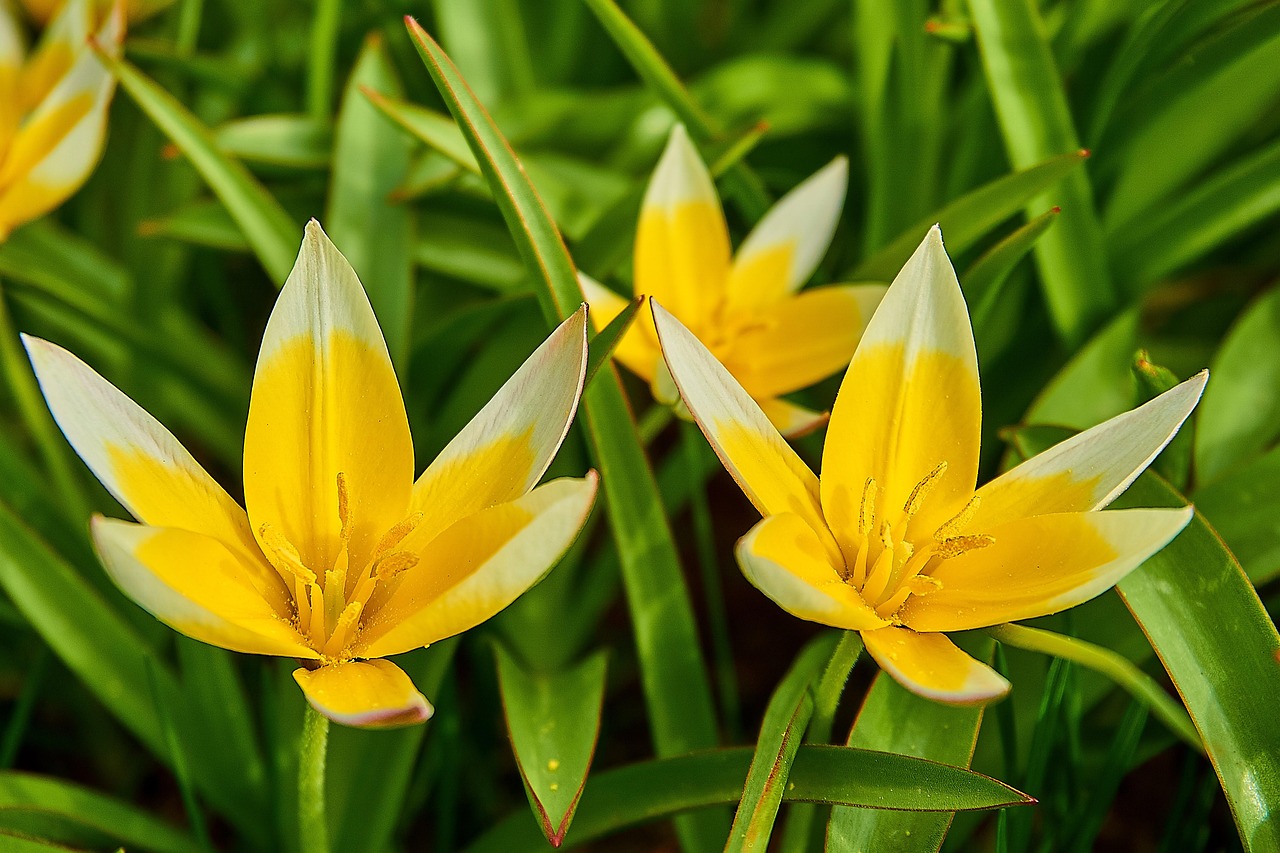

For gardeners in temperate climates with cold winters, the easiest and most common method for overwintering Tulipa praestans is to leave the bulbs in the ground. This species is naturally hardy and, once established, can withstand significant winter cold, which is a necessary requirement for their vernalization, the chilling process that stimulates flowering. The primary preparation for winter begins in the autumn and focuses on providing insulation and ensuring the bulbs are not sitting in waterlogged soil. After the first hard frost has occurred but before the ground freezes solid, it is highly beneficial to apply a layer of mulch over the planting area.
This layer of mulch, which can consist of materials like shredded leaves, straw, pine bark, or well-rotted compost, serves several important functions. Firstly, it acts like a blanket, insulating the soil from extreme temperature fluctuations. This helps to prevent repeated freezing and thawing cycles, which can damage the bulbs or even heave them out of the ground. Secondly, the mulch helps to conserve soil moisture and suppresses the growth of early spring weeds that would otherwise compete with the emerging tulips for resources. A layer of 5 to 10 centimetres is generally sufficient to provide these benefits.
It is also crucial to ensure the garden bed is clear of any diseased plant debris before winter sets in. Any old foliage or fallen leaves from other plants that showed signs of fungal spots or mildew should be raked up and disposed of, not composted. This simple act of garden sanitation removes overwintering sites for fungal spores and pests, reducing the likelihood of disease problems in the following spring. A clean bed heading into winter is the first step toward a healthy start in the spring.
Finally, a last check on the area’s drainage is a worthwhile endeavour before winter. The combination of cold temperatures and wet soil is the biggest threat to dormant tulip bulbs. If the planting area is in a low-lying spot that tends to collect water during winter rains or snowmelt, it may be prudent to dig a shallow trench or swale to divert excess water away from the bed. Taking this step can be the difference between healthy bulbs emerging in the spring and a disappointing patch of rotted bulbs.
The option of lifting and storing bulbs
In certain situations, gardeners may choose to lift the tulip bulbs from the ground for the winter. This practice is most common in regions with very wet winters, where leaving the bulbs in soggy ground poses a high risk of rot, or in climates with winters that are not consistently cold enough to provide the necessary chilling period. Lifting the bulbs also allows for the inspection of their health, the removal of any diseased individuals, and the easy separation of offsets for propagation. It provides complete control over the bulb’s dormant environment.
More articles on this topic
The process of lifting should only begin after the foliage has completely died back and turned yellow or brown, typically in early to mid-summer. This ensures that the bulb has had the maximum amount of time to store energy for the next season. Using a garden fork, carefully dig around and under the clump of bulbs to avoid damaging them. Once lifted, gently remove the excess soil and the dried stems and leaves from the bulbs. It is important to handle them with care, as any cuts or bruises can become entry points for rot during storage.
After lifting, the bulbs must be cured properly before being stored. Curing is the process of drying the outer layers of the bulb, which helps to seal it and prevent moisture loss and disease. Spread the bulbs out in a single layer on a tray or screen in a warm, dry, and well-ventilated location, out of direct sunlight. A garage, shed, or covered patio is often an ideal spot. Allow them to cure for a week or two until the outer skin feels dry and papery to the touch.
Once cured, the bulbs are ready for storage. Place them in mesh bags, paper bags with ventilation holes, or shallow trays filled with a dry medium like peat moss, vermiculite, or sawdust. The key to successful storage is to keep the bulbs in a location that is cool, dry, dark, and well-ventilated. An ideal temperature range is between 10-15 degrees Celsius. It is crucial to check the bulbs periodically throughout their storage period and immediately remove any that show signs of mould, softness, or shrivelling to prevent the problem from spreading to the other healthy bulbs.
Winter care for container-grown tulips
Growing Tulipa praestans in containers is an excellent option for those with limited space, but overwintering them requires a different approach than for those planted in the ground. The soil in pots and containers is far more exposed to the elements than the soil in a garden bed. This means it can freeze solid much more quickly and deeply, and can also experience rapid and extreme temperature fluctuations. This level of exposure can easily kill the bulbs, even those that are considered very hardy when planted in the ground.
More articles on this topic
Therefore, providing insulation for the containers is paramount. One effective method is to move the pots into an unheated but sheltered location, such as a garage, shed, or cold greenhouse. This protects them from the harshest winter winds and precipitation while still allowing them to experience the cold temperatures necessary for flowering. The pots should not be allowed to dry out completely during this time; a very light watering once a month is usually sufficient to keep the soil barely moist.
If a sheltered location is not available, the pots can be protected in situ. One technique is to group the containers together against a sheltered wall of the house, which can provide some radiant heat. Then, you can wrap the entire group of pots with burlap or bubble wrap to provide an extra layer of insulation. Another method, known as “plunging,” involves digging a hole in an empty garden bed and sinking the entire pot into the ground up to its rim. The surrounding soil then insulates the pot’s contents just as it would for bulbs planted directly in the bed.
Regardless of the method used, it is vital that the containers have excellent drainage. Before the onset of winter, ensure the drainage holes are not blocked and consider placing the pots on “pot feet” or bricks to elevate them slightly off the ground. This prevents the base of the pot from sitting in standing water or ice, which would lead to the soil becoming saturated and the bulbs rotting. With proper protection, container-grown Tulipa praestans can successfully survive the winter and provide a spectacular spring display.
Special considerations for different climates
The strategy for overwintering Tulipa praestans must be adapted to the specific climate in which you are gardening. In cold-winter climates (e.g., USDA zones 4-7), leaving the bulbs in the ground with a protective layer of mulch is the standard and most effective practice. These regions provide the consistent cold temperatures that tulips require for vernalization. The main concerns in these areas are ensuring good drainage to prevent winter rot and providing mulch to protect against temperature extremes and frost heave.
In regions with mild winters (e.g., USDA zones 8-10), the primary challenge is the opposite: a lack of sufficient winter chill. In these climates, Tulipa praestans will often fail to flower or even grow properly if left in the ground year-round. For gardeners in these areas, it is often necessary to treat the tulips as annuals, planting new, pre-chilled bulbs each autumn. Alternatively, dedicated gardeners can lift the bulbs in the summer and artificially chill them in a refrigerator for 8-12 weeks before replanting them in the autumn.
This artificial chilling process requires careful management. The bulbs should be stored in a paper or mesh bag in a refrigerator that does not contain ripening fruit, as the ethylene gas released by fruit can inhibit flowering. The goal is to mimic the natural cold, dormant period that the bulbs would experience in a colder climate. This extra effort can make it possible to enjoy these beautiful tulips in areas where they would not naturally thrive as perennials.
In climates that are on the boundary, with winters that are cold but not consistently so, overwintering can be unpredictable. A layer of mulch is still highly recommended to moderate soil temperatures and protect the bulbs during sudden cold snaps. Gardeners in these transitional zones should pay close attention to selecting microclimates within their garden. A north-facing slope, for example, will remain colder for longer than a south-facing one, potentially providing a more suitable environment for the bulbs’ chilling requirements. Careful observation of what works in your specific garden location is key.

Vernalization is a fascinating biological requirement, and Tulipa praestans truly needs that cold period to reset its internal clock. In my experience in the Swiss Alps, these bulbs can handle temperatures down to -20 degrees Celsius without any issue, provided they are in well-drained soil. The danger isn’t the cold itself, but the cycle of freezing and thawing which can heave the bulbs out of the ground. I use a layer of evergreen boughs in late November to provide a more stable soil temperature through the winter months. This “blanket” also helps keep the early spring sun from warming the soil too quickly. If they sprout too early, a sudden late frost can damage the developing flower buds.
I completely agree about the dangers of the freeze-thaw cycle, Hans. Here in Germany, we’ve had some very erratic winters lately with warm spells in January followed by deep freezes. I’ve noticed that my ‘Fusilier’ tulips in the most sheltered parts of the garden actually perform worse because they don’t get the consistent chilling they need. It’s almost better for them to be in an exposed, cold spot as long as the drainage is perfect. I’ll try your evergreen bough trick this coming winter to see if it helps stabilize things.
For those growing these in pots, the overwintering strategy must be slightly different because the roots are more exposed to the cold. I recommend sinking the entire pot into the ground for the winter or keeping it in an unheated garage where it stays cool but doesn’t reach extreme sub-zero temperatures. If the pot freezes solid and stays that way, the expansion can often crack the container and damage the bulbs. I also make sure the pot is elevated on “pot feet” to ensure that winter rains don’t waterlog the soil. A soggy pot in winter is a death sentence for species tulips.
I’ve been using the “unheated garage” method for my ‘Unicum’ containers for three years now and it works perfectly. I usually give them one small drink of water in January just to make sure the soil hasn’t turned to dust, but otherwise, I leave them completely alone. I bring them out into the sun the moment the first green tips appear, usually in early March. Have you found that some pot materials are better than others for this? I’ve switched to heavy-duty plastic because my terracotta pots kept shattering during the cold snaps.
One thing people often forget is that the winter preparation starts in the summer by letting the foliage die back naturally. This allows the bulb to pull all the nutrients back into its storage tissue, which is essentially its “battery” for surviving the winter. I never cut my tulip leaves until they are completely brown and brittle. This ensures the bulb is at its maximum strength before the cold hits. It might look a bit messy for a few weeks in June, but the payoff in spring is undeniable.
I’ve noticed that bunch-flowering tulips in the ground for several years tend to become deeper over time as they pull themselves down. This natural process actually helps with their overwintering as they find a more stable temperature zone. I don’t worry too much about mulching older clumps for this reason. However, for newly planted bulbs, a light mulch is definitely a good insurance policy. My ‘Shogun’ tulips are just about to bloom, and the count of buds per stem looks better than ever!