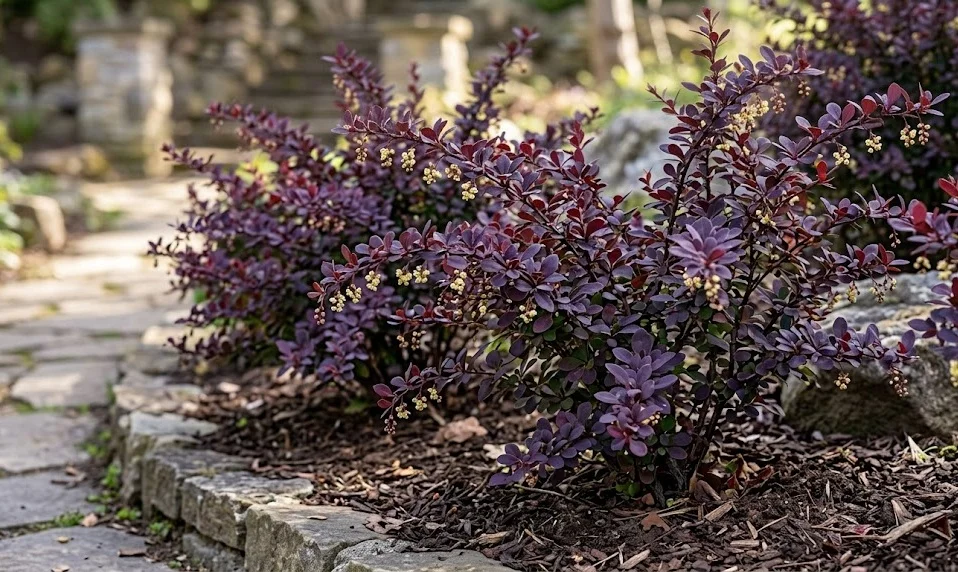

The intensity and duration of light exposure are perhaps the most influential factors in determining the aesthetic quality of the Japanese barberry. This shrub has a specialized relationship with solar energy, which it uses to produce the anthocyanin pigments responsible for its famous purple and red hues. Without sufficient light, the plant’s visual impact is greatly diminished, and its overall health may slowly decline over several growing seasons. Professional landscapers must carefully evaluate the light patterns of a site before deciding where to place this ornamental specimen.
Full sun exposure is the gold standard for this species, as it promotes the densest growth and the most vibrant foliage colors. In a sunny location, the plant can produce enough energy to support a robust root system and a thick canopy of leaves. We should aim for at least six to eight hours of direct sunlight each day to achieve the professional look often seen in botanical gardens. When the plant receives adequate light, it is also more resistant to common fungal diseases that thrive in shaded, damp environments.
The effects of shade on the Japanese barberry are immediately apparent in the color and structure of the leaves. In lower light conditions, the plant often reverts to a dull green color as it prioritizes chlorophyll production over the ornamental purple pigments. We will also notice that the growth becomes much more open and leggy as the branches reach out in search of better light sources. While the plant can survive in partial shade, it will never reach its full ornamental potential or maintain its signature compact form in these conditions.
Maximizing color intensity is a goal for any gardener working with the atropurpurea varieties of this shrub. The relationship between light and color is direct; more light typically results in a deeper, more saturated hue that lasts throughout the season. We should avoid planting large, overhanging trees near the barberry that might cast deep shadows during the peak of the day. By managing the surrounding landscape to preserve light access, we ensure that the Japanese barberry remains a striking and colorful focal point in the garden design.