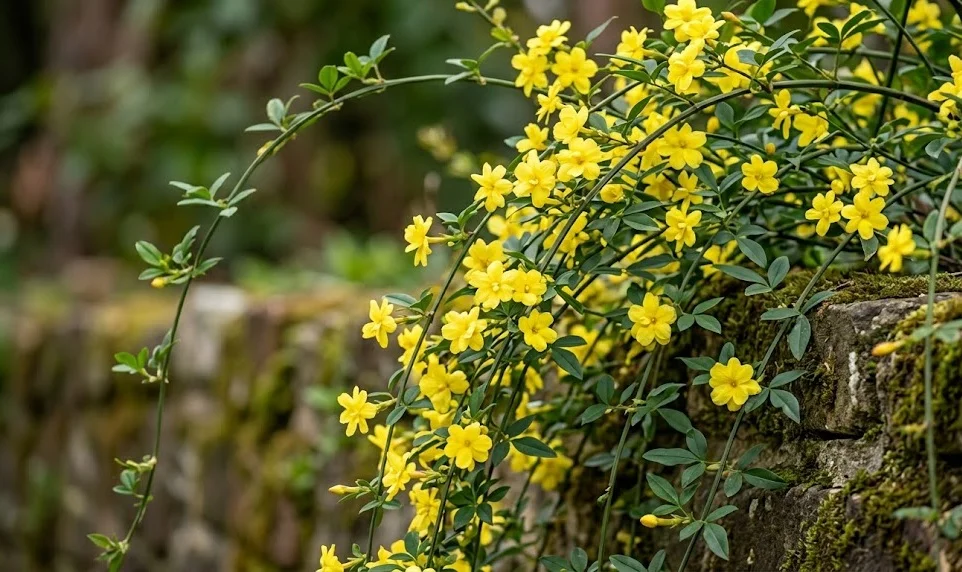

The ability of Chinese jasmine to survive the colder months depends heavily on the preparation it receives during the preceding autumn. While this species is relatively hardy, extreme winter conditions can cause significant damage to its evergreen foliage and woody structure. Successful overwintering involves a combination of site protection, moisture management, and, in some cases, relocation to a sheltered environment. By taking these proactive steps, you ensure that the plant emerges in the spring ready to produce its brilliant display of yellow blossoms.
Assessing cold tolerance and regional risks
Chinese jasmine is typically hardy down to about -5 to -10 degrees Celsius, but its survival depends on many factors beyond the thermometer reading. The age and health of the plant play a major role, as older, well-established specimens have a much better chance of surviving a deep freeze. Young plants with thin stems and shallow root systems are much more vulnerable to the killing effects of frost. Understanding the specific limits of your plant in your local climate is the first step in winter planning.
The duration of the cold spell is often more important than the absolute lowest temperature reached. A single night of light frost is rarely an issue, but several days of sub-freezing temperatures can lead to deep tissue damage. Frozen soil is particularly dangerous because it prevents the roots from taking up water, leading to winter desiccation. This “freeze-drying” effect is a common cause of death for many evergreen shrubs during a long winter.
Wind exposure significantly increases the risk of winter damage by accelerating the loss of moisture from the leaves. In open agricultural areas or wind-swept gardens, the chilling effect of the wind can make a moderate frost feel much more severe to the plant. If your jasmine is planted in an exposed location, providing a physical windbreak can make a huge difference in its survival. This can be as simple as a temporary burlap screen or a more permanent structure like a fence.
Soil moisture management before the first hard freeze is another critical factor in cold hardiness. A plant that enters the winter well-hydrated is much better equipped to handle the stress of freezing temperatures. However, the soil must also have excellent drainage to prevent the roots from sitting in cold, stagnant water, which can lead to rot. Striking this balance between hydration and drainage is a key professional skill in winter preparation.
More articles on this topic
Protective measures for outdoor specimens
For jasmines planted permanently in the ground, winter protection often begins with a heavy application of mulch. A layer of organic material three to four inches thick helps insulate the soil and keep the root zone from freezing solid. Use materials like straw, wood chips, or shredded leaves, ensuring the mulch covers the entire area under the canopy. This thermal blanket also helps maintain consistent soil moisture levels throughout the fluctuating winter weather.
In regions where temperatures are expected to drop below the plant’s natural tolerance, wrapping the jasmine can provide an extra layer of security. Use breathable materials like burlap or specialized frost blankets rather than plastic, which can trap moisture and cause fungal issues. Secure the wrap firmly but loosely enough to allow for some air circulation around the stems. This physical barrier protects the delicate evergreen leaves from both the frost and the drying winter winds.
Another effective technique for ground-grown plants is to bank extra soil or mulch around the base of the main stems. This protects the crown of the plant, which is the most critical area for survival and regrowth. Even if the upper branches are killed by the cold, a protected crown can often push out new shoots once the weather warms up. This “insurance policy” ensures that you don’t lose the entire plant to a particularly harsh winter event.
Watering during the winter months should not be ignored, especially during dry spells when the ground is not frozen. Evergreens continue to lose water through their leaves all year round, even when they are dormant. If the winter is unusually dry, a deep watering on a warm day can prevent the plant from dying of thirst. Just be sure to water early in the day so the moisture can settle before the temperatures drop again at night.
More articles on this topic
Managing container-grown plants during winter
One of the great advantages of growing Chinese jasmine in containers is the ability to move them to a more favorable environment during the winter. As soon as the overnight temperatures begin to approach freezing, it is time to bring the pots into a sheltered area. A cool, bright garage, a sunroom, or a greenhouse are ideal locations for overwintering. These spaces provide protection from the worst of the weather while still allowing the plant to experience a necessary cool period.
When bringing a jasmine indoors, it is important to check thoroughly for any pests that might be hitching a ride. Aphids or mites can quickly multiply in the controlled environment of a home or greenhouse, so a preventative spray of insecticidal soap is a good idea. Once inside, the plant’s water needs will decrease significantly due to lower light levels and cooler temperatures. Allow the top few inches of soil to dry out between waterings to avoid the risk of root rot.
Humidity can be a challenge when overwintering indoors, as modern heating systems tend to dry out the air. If the leaves begin to look brittle or the tips turn brown, you may need to increase the local humidity. Placing the pot on a tray filled with pebbles and water is a simple way to provide a humid microclimate. Avoid placing the plant near heat vents or radiators, as the direct heat can cause significant stress and leaf drop.
Lighting is still important during the winter, even though the jasmine is not actively growing. A spot near a south-facing window will provide enough natural light to keep the evergreen foliage healthy. If natural light is insufficient, supplemental grow lights can be used for a few hours each day. Keeping the plant in a state of “slow-motion” growth rather than complete darkness ensures it will be ready to thrive when it goes back outside.
Transitioning back to spring growth
The process of moving the jasmine back into the garden in the spring must be done gradually to avoid shocking the plant. As the threat of hard frost passes, you can begin to bring container plants outside for a few hours during the warmest part of the day. This “hardening off” period allows the leaves to toughen up and adjust to the higher light intensity. Gradually increase the time the plant spends outdoors over a period of seven to ten days.
For outdoor plants that were wrapped, the protective covers should be removed as soon as the weather stabilizes. Leaving the wraps on too long can cause the plant to overheat or encourage premature growth that is vulnerable to late spring frosts. Once the covers are off, inspect the plant for any signs of winter dieback or damage. Use sharp, clean shears to remove any dead or diseased wood, cutting back to healthy green tissue.
Feeding should be resumed only when you see the first signs of consistent new growth appearing on the stems. A balanced, slow-release fertilizer will provide the necessary nutrients for the spring growth spurt and the upcoming flowering season. Avoid using high-nitrogen fertilizers too early, as this can stimulate soft growth that is easily damaged by a surprise frost. This careful, timed approach to nutrition helps the plant rebuild its energy reserves after the winter.
Finally, take the time to refresh the mulch layer and check the irrigation system to ensure everything is ready for the active season. The spring transition is the perfect time to evaluate how well your overwintering strategy worked and make notes for the following year. A successful winter means a larger, stronger jasmine that will provide even more beauty in the seasons to come. Watching the first yellow buds open after a long winter is the ultimate reward for the professional gardener’s diligence.