
Proper hydration and nutrient management are the twin pillars of maintaining a thriving Chinese jasmine in any agricultural or garden setting. This plant has specific metabolic needs that change with the seasons, requiring a tailored approach to watering and the application of fertilizers. A well-nourished plant not only produces more abundant and vibrant blooms but also possesses the strength to resist environmental stressors. By mastering these two essential aspects of care, you ensure that the jasmine remains a vigorous and healthy centerpiece of your landscape.
Fundamental principles of effective irrigation
The Chinese jasmine requires a consistent supply of moisture, particularly during its active stages of growth and flowering. The goal of irrigation is to keep the soil evenly moist without ever allowing it to become waterlogged or completely dry. Professional gardeners often use the “finger test” to check the moisture level a few inches below the surface before adding water. This ensures that the plant receives hydration exactly when it needs it, avoiding the risks of overwatering.
When watering, it is much more effective to apply water deeply and less frequently than to provide shallow daily sprinkles. Deep watering encourages the roots to grow further down into the soil profile, making the plant more drought-tolerant in the long run. Use a soaker hose or a drip irrigation system to deliver water directly to the base of the plant at a slow rate. This method minimizes water loss through evaporation and keeps the foliage dry, which helps prevent disease.
The time of day when irrigation occurs can significantly impact the health of the jasmine. Early morning is the ideal time to water, as it allows the plant to hydrate before the intensity of the sun increases. It also ensures that any water that accidentally gets on the leaves has time to dry before evening, reducing the window for fungal spores to germinate. Evening watering should be avoided if possible, as damp foliage overnight is a major contributor to leaf spot and mildew.
As the plant matures, its root system becomes more extensive and capable of finding water at greater depths. However, even established specimens need supplemental water during prolonged periods of drought or extreme heat. Monitoring the appearance of the leaves is a good way to gauge if the plant is under water stress. If the foliage looks dull or begins to lose its turgidity, it is a clear sign that a thorough irrigation session is required.
More articles on this topic
Adapting watering schedules to the seasons
The water requirements of Chinese jasmine fluctuate significantly as it moves through its annual life cycle. In the spring, when the plant is pushing out new growth and preparing to bloom, its demand for water is at its peak. This is the time to be most vigilant about soil moisture to ensure the flowers do not wither prematurely. Maintaining a steady supply of water during this phase supports the energy-intensive process of reproduction.
As summer progresses and temperatures rise, evaporation rates increase, meaning the soil will dry out much faster. During these hot months, the watering frequency may need to be increased to twice or even three times a week depending on the soil type. Adding a thick layer of organic mulch around the base of the plant is particularly helpful during this season. The mulch acts as an insulating blanket, keeping the root zone significantly cooler and wetter than the surrounding bare earth.
In the autumn, as the growth rate begins to slow down, the watering schedule should be gradually reduced. The plant is entering a phase where it needs to harden its wood for the upcoming winter, and excessive water can encourage soft, vulnerable growth. Reducing irrigation helps signal to the jasmine that it is time to transition into a more dormant state. However, do not let the soil dry out completely, as the plant still needs some moisture to maintain its evergreen leaves.
During the winter months, the jasmine requires very little supplemental water, especially if there is regular rainfall. If you are overwintering the plant in a container indoors, be extra careful not to overwater, as indoor air and lower light levels slow down transpiration. Only water when the top two inches of soil feel dry to the touch. For outdoor plants, a light watering during a warm spell in a dry winter can prevent the roots from desiccating.
More articles on this topic
Essential nutrients for health and flowering
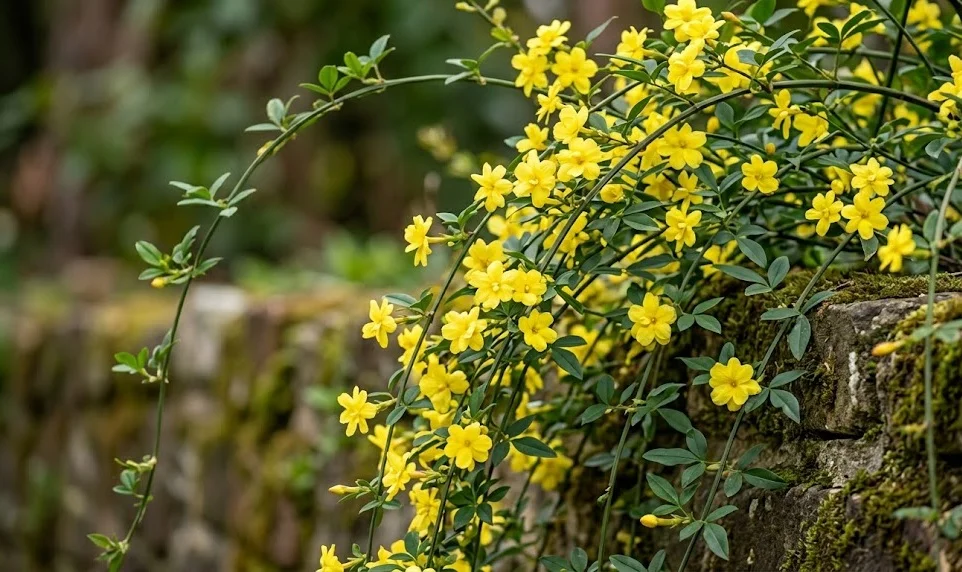
Fertilization provides the chemical building blocks that the Chinese jasmine needs to build tissue and produce its signature yellow blossoms. A balanced approach to nutrition focuses on the three primary macronutrients: nitrogen, phosphorus, and potassium. Nitrogen supports the development of lush green foliage and strong stems, which are the backbone of the plant. Phosphorus is critical for root development and, more importantly, for the initiation of flower buds.
Potassium plays a vital role in the overall physiological health of the plant, including water regulation and disease resistance. In addition to these primary nutrients, the jasmine also benefits from secondary nutrients like magnesium and calcium. Micro-nutrients such as iron and manganese are also necessary in small amounts to prevent leaf chlorosis. A professional fertilizer program ensures that all these elements are available in the correct proportions throughout the year.
Organic fertilizers, such as well-rotted manure or compost tea, offer a slow-release source of nutrients that also improves soil structure. These options are excellent for long-term soil health and encourage the presence of beneficial soil organisms. Synthetic fertilizers can provide a more immediate boost, which can be useful at the start of the growing season. However, they should be used with caution to avoid salt buildup in the soil or “burning” the sensitive roots.
The timing of fertilizer application is just as important as the type of product used. The first application should ideally happen in late winter or very early spring, just as the first signs of new growth appear. This provides the energy needed for the upcoming bloom and the spring growth flush. A second, lighter application in early summer can help the plant maintain its vigor through the heat of the season.
Professional methods for applying fertilizers
Applying fertilizer correctly ensures that the nutrients reach the roots where they are needed and minimizes waste. For granular fertilizers, scatter the material evenly around the drip line of the plant rather than piling it against the stem. The drip line is the area directly under the outermost circumference of the branches, which is where the most active feeder roots are located. Always water the area thoroughly after applying granular fertilizer to help the nutrients dissolve and move into the soil.
Liquid fertilizers are a great option for container-grown jasmines or for providing a quick nutrient boost during the growing season. These can be applied to the soil or used as a foliar spray, though soil application is generally more effective for long-term health. If using a foliar spray, ensure the solution is properly diluted to avoid damaging the leaf surfaces. This method is particularly useful for delivering micronutrients like iron if the plant is showing signs of deficiency.
It is important to avoid over-fertilizing, as this can lead to an excess of soft, green growth at the expense of flowers. Too much nitrogen, in particular, can result in a massive plant that produces very few of the desired yellow blooms. Furthermore, excessive fertilization can make the plant more attractive to certain pests like aphids, which thrive on nitrogen-rich new growth. Following the manufacturer’s recommended dosage is a safe and professional practice.
Always check the soil pH before starting a heavy fertilization regime, as pH affects nutrient availability. In very alkaline soils, some nutrients become “locked” and cannot be absorbed by the plant regardless of how much fertilizer you add. If a soil test reveals a high pH, you may need to use an acidifying fertilizer or add elemental sulfur to the area. This scientific approach to fertilization leads to much more predictable and successful results.
Monitoring and responding to nutrient deficiencies
A professional gardener learns to “read” the leaves of the Chinese jasmine to identify potential nutritional problems. Yellowing leaves with green veins, a condition known as interveinal chlorosis, usually indicates an iron or magnesium deficiency. If the older leaves are turning yellow and falling off, the plant might be lacking in nitrogen. Recognizing these signs early allows for targeted intervention before the plant’s health is seriously compromised.
Purple or reddish tints on the foliage can sometimes signal a phosphorus deficiency, especially during cooler weather. However, it is important to distinguish between nutrient issues and environmental stress or natural aging. Sometimes, leaf discoloration is simply a response to cold temperatures rather than a lack of food. Cross-referencing the symptoms with the recent weather and fertilization history provides a more accurate diagnosis.
If a deficiency is identified, the best course of action is to apply a targeted fertilizer that addresses the specific missing nutrient. For iron chlorosis, a chelated iron supplement is often the most effective and fastest-acting solution. For general yellowing, a balanced liquid feed can provide a broad spectrum of minerals to get the plant back on track. Always observe the new growth after treatment to see if the symptoms have been resolved.
Long-term monitoring involves keeping a simple log of when and what you fed the jasmine. This helps prevent accidental double-dosing or forgetting an essential seasonal application. Over time, you will develop a sense of the specific “hunger” of your plant based on its growth rate and flowering performance. This attentive care ensures that the Chinese jasmine remains a high-performing and healthy member of your botanical collection.