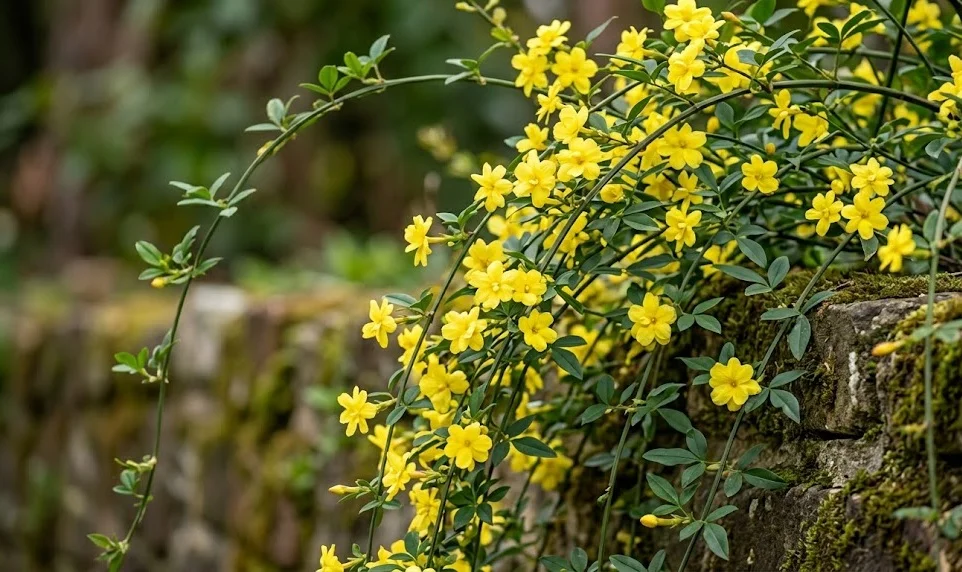

Establishing a Chinese jasmine in the garden begins with a well-considered planting strategy that accounts for its long-term growth and environmental needs. This species is known for its vigor, and success starts with choosing the right location and preparing the soil to support its extensive root system. Propagation offers an excellent way to expand your collection or share this beautiful shrub with others using simple horticultural techniques. Whether you are planting a single specimen or starting dozens of cuttings, following professional guidelines ensures the best possible outcome.
Site selection and soil preparation
Choosing the right location is the most critical decision when planting a Chinese jasmine to ensure its future health. The site should offer a balance of sunlight and protection from harsh, drying winds that can damage the foliage. Ideally, look for a spot that receives full sun for most of the day, as this encourages the most prolific blooming. However, in extremely hot climates, some afternoon shade can prevent the leaves from scorching during the summer months.
The soil at the chosen site must be prepared with care to facilitate quick establishment and deep rooting. While the jasmine is adaptable, it thrives in well-draining soil that has been enriched with decomposed organic matter. Digging a hole that is twice as wide as the root ball allows the new roots to spread easily into the surrounding earth. Mixing a portion of compost into the backfill soil provides an immediate boost of nutrients for the young plant.
Drainage must be verified before the plant is placed in the ground to avoid the risk of stagnant water. If the area tends to hold water after a heavy rain, consider creating a raised mound or installing a drainage system. A simple percolation test, where a hole is filled with water to see how fast it drains, can provide vital information. Professional gardeners never ignore drainage, as it is the leading cause of plant failure shortly after planting.
Air circulation is another factor that is often overlooked during the site selection process for Chinese jasmine. While it needs protection from heavy gales, stagnant air can promote the growth of fungal diseases on the dense foliage. Ensure that the plant is not crowded too closely against solid walls or other thick shrubs. Providing a few inches of space between the plant and its support structure can make a significant difference in its overall health.
More articles on this topic
The process of planting and early establishment
Once the site is ready and the hole is dug, the actual planting process should be handled with precision. Carefully remove the jasmine from its nursery container, taking care not to damage the delicate root tips. If the plant is root-bound, gently tease the outer roots outward to encourage them to grow into the new soil. Set the plant in the hole so that the top of the root ball is level with the surrounding soil surface.
Filling the hole should be done in stages, tamping the soil down lightly to remove large air pockets without compacting it too much. Watering the soil halfway through the filling process helps settle the earth around the roots naturally. Once the hole is completely filled, create a small basin of soil around the base to direct water toward the root zone. This initial deep watering is essential for eliminating any remaining air gaps and hydrating the plant.
Mulching the area immediately after planting provides a protective layer that benefits the jasmine in several ways. A two-inch layer of wood chips or shredded bark helps retain moisture and suppresses competitive weed growth. Be sure to keep the mulch a few inches away from the actual stem of the plant to prevent rot. As the mulch decomposes, it will continue to improve the soil structure and provide a slow release of nutrients.
The first few months after planting are a critical period of establishment where the jasmine requires consistent attention. Water the plant regularly, especially during dry spells, to ensure the root system does not dry out while it is still shallow. Avoid heavy fertilization during this time, as the focus should be on root development rather than top growth. Observing the plant for signs of new green shoots is a positive indicator that it has successfully transitioned to its new home.
More articles on this topic
Propagation through softwood and semi-hardwood cuttings
Multiplying Chinese jasmine is most effectively done using cuttings taken during the active growing season. Softwood cuttings, taken in late spring from the flexible new tips, root very quickly under the right conditions. These cuttings should be about four to six inches long and taken from healthy, non-flowering shoots. Using a sharp, clean knife or shears ensures a clean cut that heals faster and resists infection.
Preparing the cuttings involves removing the lower leaves to expose the nodes where new roots will eventually emerge. Dipping the cut end into a rooting hormone powder or gel can significantly increase the success rate and speed of root formation. The cuttings should then be placed in a well-draining propagation mix, such as a combination of perlite and peat moss. Keeping the medium moist but not soggy is the key to preventing the base of the cutting from rotting.
To maintain the necessary humidity around the cuttings, many professionals use a clear plastic dome or a simple plastic bag. Place the containers in a bright location but away from direct sunlight, which can overheat the delicate stems. Within four to six weeks, the cuttings should begin to develop a functional root system that can support independent growth. Tug gently on a cutting; if you feel resistance, it is a sign that roots have successfully taken hold.
Once the roots are well-established, the new plants can be moved into individual pots filled with standard potting soil. Gradually acclimate them to the outdoor environment by placing them in a sheltered spot for a few hours each day. This “hardening off” process prevents transplant shock and prepares them for life in the garden. Propagating your own plants is a rewarding way to maintain the genetic line of a particularly vigorous or beautiful specimen.
Layering techniques and propagation by seed
Layering is a natural and highly reliable method of propagation that takes advantage of the jasmine’s tendency to root at the nodes. This technique involves bending a low-growing, flexible stem down to the ground and burying a portion of it under the soil. To encourage rooting, you can lightly nick the underside of the stem where it will be buried. Use a landscape staple or a heavy stone to keep the stem firmly in contact with the moist earth.
The buried section of the stem will eventually produce its own roots while still receiving nutrients from the parent plant. This makes layering a very low-stress method of propagation, as the “offspring” is not separated until it is fully capable of surviving on its own. Typically, after one full growing season, the new plant will have a strong enough root system to be cut away from the mother plant. This method is ideal for gardeners who want a few large, healthy new plants with minimal effort.
Propagation by seed is less common for Chinese jasmine but can be an interesting project for those looking for genetic variation. The seeds are found inside the small berries that may form after the flowering season concludes. These seeds require a period of cleaning and sometimes a brief cold stratification to break their dormancy. Sowing them in a light seed-starting mix and keeping them warm will eventually lead to germination, though growth is slower than with cuttings.
Regardless of the method chosen, the goal of propagation is to create healthy, vigorous new plants that carry the characteristics of the parent. Proper labeling and timing are important for tracking the success of different techniques in your specific garden environment. Sharing these propagated plants with the local community or using them to create a long hedge is a great way to utilize the natural productivity of the jasmine. Successful propagation is a sign of a truly skilled gardener who understands the life cycle of their plants.