
The successful cultivation of Chinese jasmine requires a deep understanding of its semi-climbing nature and its preference for subtropical conditions. This vigorous evergreen shrub provides a stunning display of yellow blooms that signal the end of winter and the arrival of spring. Growing this plant successfully involves balancing its need for structural support with its tendency to spread rapidly across available space. Gardeners must approach the care of this species with a proactive mindset to ensure it remains a highlight of the landscape rather than an overgrown thicket.
Essential growth characteristics and habit
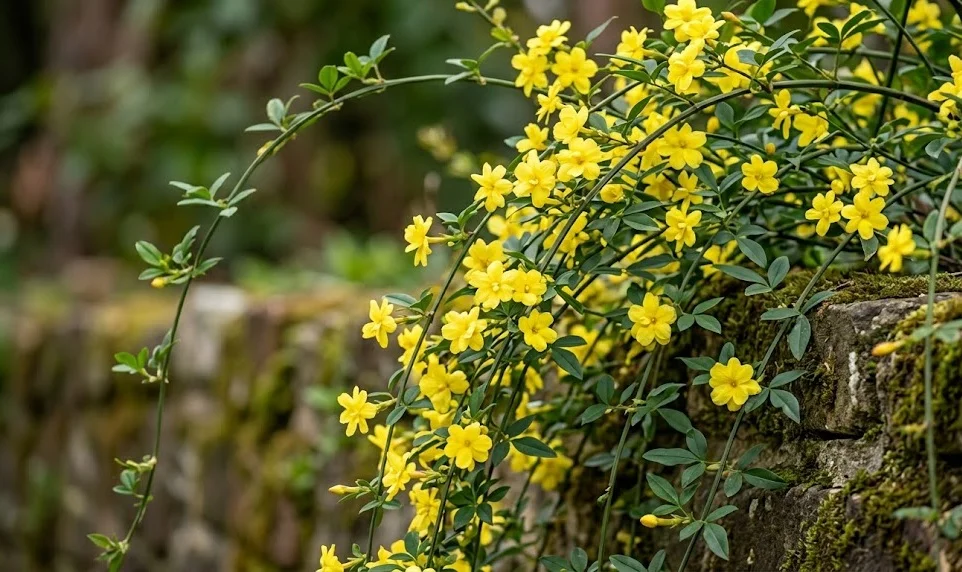
The growth habit of this jasmine is characterized by long, arching branches that can reach several meters in length if left unchecked. Unlike true climbing vines, it does not possess tendrils or adhesive pads to cling to surfaces naturally. Instead, it relies on its sprawling stems to lean against structures or weave through neighboring vegetation for height. Understanding this physical structure is the first step in planning a maintenance routine that keeps the plant healthy and aesthetically pleasing.
When we observe the stems, we notice they are quadrangular and remain green for a significant portion of their life cycle. This photosynthetic capability in the stems allows the plant to maintain some energy production even during periods of partial defoliation. The leaves are typically trifoliate, meaning they consist of three leaflets, which gives the foliage a delicate and airy appearance. These features contribute to its popularity in both formal garden settings and more naturalized agricultural borders.
Cultivating a healthy specimen involves acknowledging that the plant is relatively long-lived when given the right environmental conditions. It forms a dense mound of foliage over time, which can serve as an excellent ground cover or a cascading feature on a stone wall. The dense growth also provides habitat for beneficial insects and small garden birds seeking shelter. Establishing a strong foundation during the first few years of growth will dictate the overall health of the jasmine for decades.
Professional horticulturists often emphasize the importance of monitoring the plant’s spread in smaller garden spaces. Because of its vigorous nature, it can easily outcompete slower-growing companions if the boundaries are not clearly defined. Regular observation allows for timely interventions that prevent the plant from becoming unmanageable. This proactive care ensures that the ornamental value remains the primary focus throughout the growing season.
More articles on this topic
Adapting to local climate and microclimates
Climate plays a decisive role in how this jasmine performs throughout the year, especially regarding its flowering potential. It thrives best in regions where winters are mild, though it can tolerate light frosts once it has reached maturity. The plant effectively bridges the gap between temperate and subtropical gardening styles. Recognizing the specific hardiness zone of the planting site is crucial for determining whether it needs extra protection.
The flowering process is heavily influenced by the temperature fluctuations between day and night during the late autumn months. A slight drop in temperature is often what triggers the development of flower buds for the following spring. If the environment remains too warm or too consistent, the bloom density might decrease significantly. Therefore, placing the plant in a spot that experiences natural seasonal shifts is highly beneficial.
Microclimates within a single property can also dictate the success of the care routine provided to the plant. South-facing walls provide reflected heat that can help the jasmine survive slightly colder winters than its official rating suggests. Conversely, a wind-swept northern corner might cause significant leaf burn and stem dieback during a harsh freeze. Choosing the right microclimate reduces the stress on the plant and the workload for the gardener.
Humidity levels also affect the overall vigor and leaf quality of the Chinese jasmine during the peak of summer. While it is quite resilient, extremely dry air can lead to brittle foliage and a higher susceptibility to certain pests. Maintaining a consistent environment through strategic planting near water features or using organic mulch can mitigate these effects. This attention to detail reflects a professional approach to long-term plant health.
More articles on this topic
Structural support and spatial management
Providing a sturdy support system is essential for those who wish to grow this jasmine as a vertical element. Since the plant does not climb on its own, it must be manually tied or woven into a trellis or fence. Sturdy materials like galvanized wire or wooden lattices are recommended to support the weight of the mature stems. As the plant grows, the density of the foliage increases, adding significant wind resistance and weight to the structure.
Managing the space around the plant involves regular training of the new, flexible shoots that emerge during the spring. These shoots can be directed to fill gaps in a wall coverage or pruned back if they begin to encroach on walkways. Failure to manage this growth early in the season often results in a tangled mess that is difficult to correct later. Professional maintenance schedules usually include a monthly check for stray branches.
For those using the plant as a ground cover, spatial management focuses more on preventing the stems from rooting wherever they touch the soil. This “layering” habit can cause the jasmine to spread horizontally at an alarming rate if the soil is moist. Keeping the ground cover contained within a defined border requires crisp edging and occasional removal of adventurous runners. This discipline ensures the garden design remains intentional and clean.
The interaction between the plant and its surrounding structures also needs to be monitored for potential damage. Strong, woody stems can sometimes lift light fencing or get caught in siding if they are not guided properly. It is important to leave a small gap between the trellis and the wall to allow for air circulation and easy maintenance access. This structural foresight prevents common issues associated with growing large, sprawling shrubs against buildings.
Soil quality and drainage requirements
The soil composition serves as the fundamental engine for the growth and flowering of the Chinese jasmine. While it is adaptable to various soil types, it performs best in a medium that is rich in organic matter. A loamy soil structure provides the perfect balance between moisture retention and aeration for the root system. Professionals often amend existing garden soil with high-quality compost before planting to ensure long-term fertility.
Drainage is perhaps the most critical factor when considering the soil environment for this species. It does not tolerate “wet feet,” which can quickly lead to root rot and the overall decline of the plant. Soils with high clay content should be modified with coarse sand or perlite to improve the movement of water. Ensuring that excess water can escape the root zone is vital, especially during rainy seasons.
The pH level of the soil should ideally be slightly acidic to neutral for optimal nutrient uptake. If the soil is too alkaline, the plant may exhibit signs of chlorosis, where the leaves turn yellow while the veins remain green. Regular soil testing can help identify whether amendments like sulfur or peat moss are necessary to adjust the acidity. Maintaining the correct pH ensures that the plant can access the minerals it needs for vibrant green foliage.
The physical health of the soil also depends on the presence of beneficial microorganisms and earthworms. Avoiding heavy synthetic chemicals that disrupt the soil biome helps maintain a self-sustaining environment for the roots. Applying a layer of organic mulch not only suppresses weeds but also breaks down over time to feed the soil life. This holistic approach to soil care results in a more resilient and vigorous jasmine plant.
Seasonal maintenance and monitoring
Spring care is focused on supporting the heavy bloom cycle and the subsequent flush of new green growth. As the flowers fade, it is the ideal time to assess the overall shape of the plant and perform necessary thinning. Monitoring for early signs of pest activity during this period of rapid growth is also essential. Keeping the plant well-fed and hydrated during this transition ensures a strong start to the growing year.
During the heat of summer, the primary goal of the care routine shifts to moisture management and heat protection. The plant may require more frequent checks to ensure the soil has not dried out completely at the root level. Applying a fresh layer of mulch in early summer can significantly reduce the evaporation rate and keep the roots cool. Observing the foliage for signs of wilt during the afternoon is a good way to gauge its stress levels.
Autumn maintenance involves preparing the jasmine for the cooler months and slowing down the growth rate. Reducing the frequency of nitrogen-heavy fertilizers helps the new wood to harden off before the first frost arrives. This is also a good time to clear away any fallen leaves or debris from the base of the plant to prevent fungal issues. Preparing the plant gradually for winter reduces the risk of sudden shock during temperature drops.
Winter care for Chinese jasmine is relatively minimal but remains important for its survival in cooler zones. In areas where freezing temperatures are common, providing a protective wrap or moving potted specimens indoors is necessary. Even in milder climates, checking for winter desiccation after cold, dry winds can help determine if a light watering is needed. This year-round vigilance is the hallmark of a professional gardening approach.
Aesthetic considerations and landscape integration
The visual impact of Chinese jasmine is most significant when it is integrated thoughtfully into the broader garden design. Its bright yellow flowers provide a much-needed pop of color when most other plants are still dormant. Placing it near entryways or windows allows the cheerful blooms to be enjoyed from both inside and outside the home. The cascading habit makes it particularly effective for softening the hard lines of architecture.
Color coordination within the garden should take into account the specific shade of yellow that this jasmine produces. It pairs beautifully with blue-flowering plants or dark evergreen backgrounds that make the yellow stand out. The green stems also provide a consistent color throughout the winter, ensuring the garden does not look barren. Thinking about these color relationships creates a more cohesive and professional landscape.
Texture is another aesthetic element that the Chinese jasmine brings to the garden environment. Its fine-foliaged look contrasts well with large-leafed plants like hostas or structural evergreens like boxwood. Using the plant to create a sense of movement, such as allowing it to spill over a terrace, adds a dynamic quality to the space. This layering of textures is a key technique used by professional garden designers to build visual interest.
Long-term landscape integration also requires considering the plant’s size at maturity to avoid overcrowding. It should be given enough room to express its natural arching form without interfering with neighboring specimens. Planning for future growth prevents the need for drastic corrective pruning that can ruin the plant’s natural beauty. A well-placed jasmine becomes a permanent and beloved fixture of the agricultural or home landscape.
Professional tips for longevity and health
Ensuring the longevity of a Chinese jasmine involves a combination of consistent care and occasional rejuvenation. Over many years, the interior of the shrub can become woody and sparse, reducing its ornamental value. Professional gardeners often use a technique of thinning out the oldest stems every few years to encourage new growth from the base. This practice keeps the plant youthful and ensures that flowering occurs throughout the entire canopy.
Sanitation is another professional habit that prevents many common problems before they start. Always use sharp, sterilized tools when working with the plant to avoid introducing diseases through cutting wounds. Clearing away spent flowers and dead wood not only looks better but also removes potential hiding spots for pests. A clean garden environment is the best defense against the decline of mature specimens.
Record-keeping can be an invaluable tool for the serious gardener or agricultural manager. Noting the dates of the first bloom, the application of fertilizers, and any unusual weather events helps build a history of the plant’s performance. This data allows for more precise adjustments to the care routine in subsequent years. Understanding the specific patterns of your individual plant leads to much better results over time.
Finally, the health of the Chinese jasmine is often a reflection of the overall health of the garden ecosystem. Encouraging biodiversity by planting a variety of species attracts natural predators that keep pest populations in check. Avoiding over-intervention allows the plant to develop its own natural resilience to environmental stressors. This balanced, professional approach ensures that the Chinese jasmine will thrive for many seasons to come.