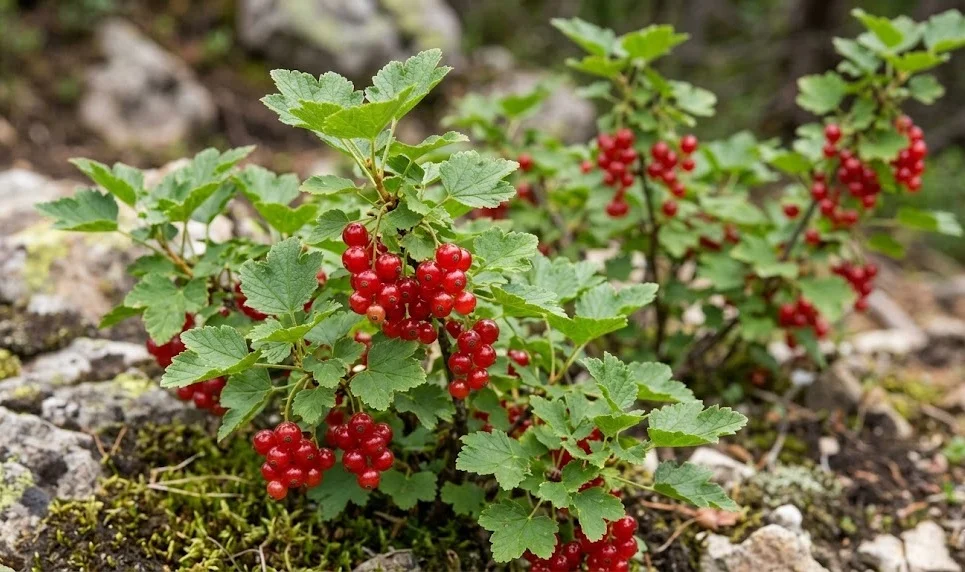

Mastering the art of pruning is essential for anyone who wants to maintain a beautiful and healthy alpine currant. You must understand that pruning is not just about shaping the plant but also about promoting its long-term health and vigor. By removing old or diseased wood, you allow the plant to focus its energy on new, productive growth. A well-pruned shrub will always look more professional and vibrant than one that is left to grow wild.
The timing of your pruning sessions is the first thing you need to consider before you start cutting. You should ideally prune in the late winter or very early spring before the new buds begin to open. This allows the plant to heal quickly as the growing season starts and prevents the loss of sap. If you are growing the shrub for its inconspicuous flowers, you might choose to wait until after they have finished blooming.
Using the correct tools is just as important as the timing of your work to ensure clean and healthy cuts. You should always use sharp, high-quality bypass pruners for branches up to half an inch in diameter. For larger stems, a pair of loppers or a small pruning saw might be necessary to avoid crushing the wood. Disinfecting your tools before and after use is a professional standard that prevents the spread of pathogens between plants.
Every cut you make should have a specific purpose, whether it is for health, shape, or size control. You should start by removing the “three Ds”: dead, damaged, and diseased wood from the entire shrub. This immediately improves the appearance and health of the plant by removing potential entry points for pests. Once the structure is clean, you can focus on the aesthetic goals of your pruning project.
Aesthetic shaping for hedges and specimens
If you are using this shrub as a formal hedge, you will need to perform more frequent trimming to maintain its clean lines. You should aim to trim the hedge at least twice during the growing season to keep it looking sharp and well-maintained. The first trim should happen after the initial spring growth spurt, followed by a lighter touch-up in mid-summer. Consistency is the key to achieving that perfectly manicured look that defines a professional landscape.
More articles on this topic
When shaping a hedge, you should always keep the base slightly wider than the top to allow for light penetration. You can use strings or levels to ensure your lines are straight and even across the entire length of the hedge. This attention to detail is what separates a professional gardener from an amateur. Taking your time to get the lines right will yield a much more satisfying and high-quality result.
For specimens that are grown as individual shrubs, a more naturalistic approach to pruning is often preferred. You should aim to maintain the plant’s natural rounded shape while thinning out crowded branches in the center. This allows more air and light to reach the interior, which reduces the risk of fungal diseases. A well-shaped specimen adds structure and interest to the garden without looking overly stiff or artificial.
If a shrub has become too large for its space, you can reduce its size through a process called “heading back.” You should cut individual branches back to a healthy bud or a lateral branch that is facing the direction you want the new growth to go. This prevents the plant from looking “scalped” and encourages a more natural-looking regrowth. Size management should be done gradually over a few seasons if the reduction needed is significant.
Rejuvenation and thinning techniques
Older shrubs that have become woody and sparse at the bottom can be revitalized through rejuvenation pruning. You should identify the oldest, thickest stems and remove them at ground level to encourage new shoots to grow from the base. Removing about one-third of the oldest wood each year for three years will completely renew the plant. This “one-third rule” is a safe and effective way to keep your shrubs young and vigorous.
More articles on this topic
Thinning involves removing entire branches back to their point of origin to reduce the overall density of the shrub. You should focus on branches that are crossing or rubbing against each other, as these can create wounds where diseases can enter. Thinning improves air circulation and light penetration, which is vital for the health of the inner foliage. It is a more subtle form of pruning that maintains the plant’s overall size while improving its internal structure.
When you make a thinning cut, you should be careful not to leave a “stub” that could rot or become a home for pests. You must cut just outside the branch collar, which is the slightly swollen area where the branch meets the main stem. This is where the plant’s natural healing chemicals are most concentrated, ensuring a fast and clean recovery. Professional pruning is as much about where you don’t cut as where you do.
After any significant pruning, you should monitor the plant closely for its reaction and provide extra care if needed. You might need to provide a bit more water or a light application of fertilizer to support the new growth. Most healthy alpine currants will respond with a flush of vibrant new leaves and stems within a few weeks. Pruning is a powerful tool that, when used correctly, ensures your garden stays beautiful for many years to come.