
Providing the correct amount of hydration and nutrients is the cornerstone of professional landscape management for this species. You must understand that while these plants are drought-tolerant once established, they have specific needs during their growth cycles. A balanced approach ensures that the shrub does not become stressed or overly dependent on artificial intervention. Your goal should be to mimic the natural resource availability of the plant’s native mountain habitat.
Watering should always be done deeply and thoroughly to encourage the development of a strong and deep root system. You should avoid frequent light sprinklings, which only wet the surface and lead to shallow, weak roots. By saturating the soil deeper down, you ensure that the plant can access moisture even during dry spells. This technique builds a much more resilient specimen that can withstand environmental fluctuations.
The timing of your watering routine can significantly impact the health of the foliage and the efficiency of the hydration. You should ideally water in the early morning hours before the heat of the sun causes excessive evaporation. This also allows any water that gets on the leaves to dry quickly, reducing the risk of fungal diseases. Evening watering can be an alternative, but it carries a higher risk of leaving the plants damp overnight.
Monitoring the soil moisture manually is the most reliable way to determine when the plant actually needs water. You should stick your finger or a moisture probe into the ground near the root zone to check the conditions. If the top two inches are dry, it is usually time to provide a thorough soaking. Overwatering can be just as damaging as underwatering, so always check before you reach for the hose.
Seasonal irrigation strategies
During the active growth period of spring, the shrub requires a consistent supply of moisture to support new leaves. You should increase the frequency of watering if the weather is particularly dry or windy during this time. The energy demands of the plant are at their highest as it builds its canopy for the coming year. A lack of water in the spring can lead to stunted growth and a less dense appearance later on.
More articles on this topic
In the height of summer, the focus shifts to maintaining the plant’s hydration levels against the intense heat. You should be prepared to water more deeply during prolonged periods of drought or extreme temperature. Mulching becomes your best friend during this season by helping to keep the soil temperature down. Observing the plant for signs of stress, such as drooping leaves, will tell you when extra hydration is necessary.
As autumn approaches, you should gradually reduce the frequency of irrigation to allow the plant to prepare for dormancy. You want the wood to ripen and the growth to slow down before the first hard freezes arrive. However, you must ensure the soil is not completely dry when the ground finally freezes for the winter. A final deep watering in late fall can provide the roots with the moisture they need to survive the cold.
Winter watering is rarely necessary unless you live in an area with very dry winters and no snow cover. You should only consider watering on a warm day when the ground is not frozen and the sun is shining. This prevents the roots from desiccating during long periods of dry, cold winds. For most regions, the natural precipitation during the winter months is sufficient for the plant’s dormant needs.
Soil structure and moisture retention
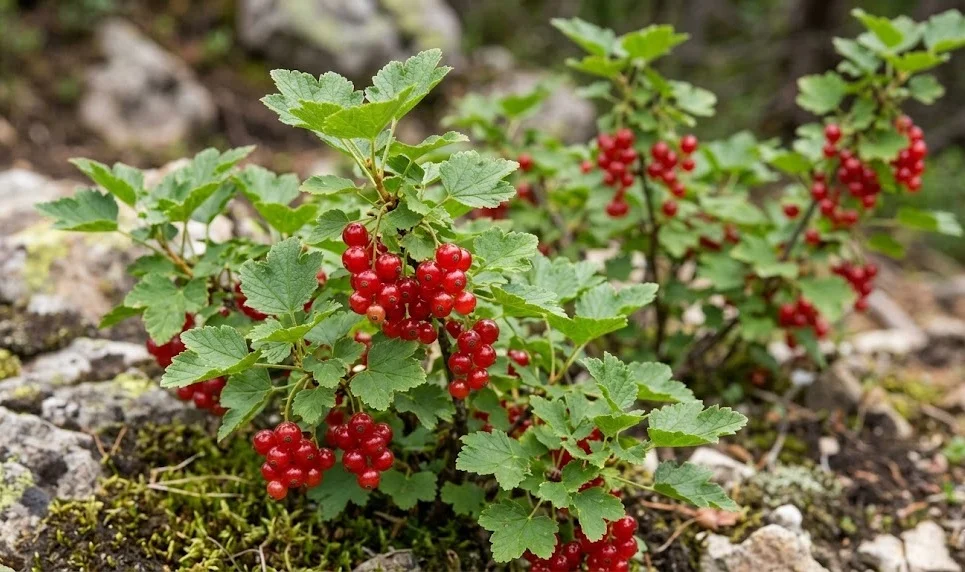
The ability of the soil to hold and release water is a major factor in the overall health of your alpine currant. You should work on improving the organic matter content of your soil by adding well-rotted compost or manure. Organic matter acts like a sponge, holding onto moisture and releasing it slowly as the plant needs it. This reduces the amount of supplemental watering you have to perform throughout the year.
More articles on this topic
Heavy clay soils can be problematic because they hold too much water and can lead to poor aeration. You should consider adding grit or organic amendments to improve the structure and drainage of clay-heavy sites. This ensures that the roots are never sitting in waterlogged soil, which is a major cause of plant death. A well-structured soil provides the perfect balance of air, water, and mineral access.
Sandy soils present the opposite problem, as they drain very quickly and do not hold onto nutrients well. You should focus on building up the humus content in sandy areas to increase their water-holding capacity. Applying a thick layer of organic mulch is especially important in these conditions to prevent rapid evaporation. Consistent efforts to improve sandy soil will lead to a much healthier and more vibrant garden.
Using professional-grade wetting agents can sometimes help in situations where the soil has become hydrophobic. You should apply these products according to the manufacturer’s directions to help water penetrate the soil surface. This is particularly useful in areas that have been dry for a long time and where water tends to run off. Improving water penetration ensures that every drop you apply actually reaches the root system.
Nutrient requirements and mineral balance
Understanding the nutritional needs of your shrubs is essential for maintaining their deep green color and vigorous growth. You should focus on providing a balanced supply of nitrogen, phosphorus, and potassium throughout the growing season. Nitrogen is particularly important for the lush foliage that makes this plant such a popular choice for hedges. However, excessive nitrogen can lead to weak, sappy growth that is more susceptible to pests.
Phosphorus and potassium support the overall structural integrity of the plant and its root development. You should ensure these elements are present in the soil, especially during the establishment phase of young plants. A healthy balance of minerals helps the shrub resist diseases and survive environmental stresses more effectively. Regular soil testing is the only way to know for sure what your plants are missing.
Micronutrients like iron, magnesium, and manganese also play a vital role in the plant’s metabolic processes. You might notice yellowing between the leaf veins if the plant is suffering from a lack of specific minerals. These deficiencies can often be corrected with chelated mineral sprays or specific soil additives. A professional gardener monitors the foliage closely for these subtle signs of nutritional imbalance.
The pH of the soil directly affects the availability of these nutrients to the plant’s root system. You should maintain a slightly acidic to neutral pH to ensure the shrub can take up the minerals you provide. If the soil is too alkaline, many vital nutrients become chemically locked away and unavailable to the roots. Keeping the soil chemistry in the right range is just as important as the actual application of fertilizer.
Fertilizing techniques and timing
The best time to apply fertilizer is in the early spring just as the new growth begins to emerge. You should use a slow-release granular fertilizer that will provide a steady supply of nutrients over several months. This prevents a sudden surge of growth that can be difficult for the plant to sustain. Always apply the fertilizer to damp soil and water it in thoroughly to help it reach the roots.
Avoid fertilizing in the late summer or autumn, as this can encourage new growth that won’t have time to harden before winter. You want the plant to slow down and prepare for dormancy rather than pushing out tender new leaves. Timing your applications correctly ensures that the plant uses the energy efficiently and stays healthy. A single, well-timed application in the spring is often all that a mature shrub needs.
When applying granular products, you should distribute them evenly around the drip line of the plant. Avoid placing fertilizer directly against the main stem, as this can cause chemical burns to the bark. You should lightly rake the granules into the surface of the soil before watering them in. This ensures the nutrients are placed where the active feeder roots can easily find and absorb them.
Organic fertilizers, such as fish emulsion or seaweed extracts, can be used as a supplement during the growing season. You should apply these liquid products to the foliage or the soil to provide a quick boost of micronutrients. They are an excellent way to maintain plant health without the risk of salt buildup from synthetic products. Using a combination of slow-release and liquid organic fertilizers provides a comprehensive nutritional program.