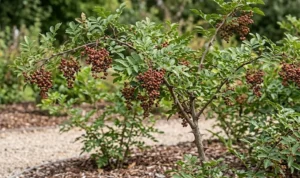
Cultivating a magnificent architectural shrub requires a deep appreciation for its structural elegance and unique growth patterns. This evergreen specimen commands attention in any landscape with its dramatic frond-like foliage and vibrant yellow winter blooms. To ensure it thrives, gardeners must mimic its native woodland environment by providing sheltered conditions. Achieving the perfect balance of shelter and soil moisture allows the plant to develop its signature robust appearance.
Understanding the basic needs of the plant
The plant naturally develops a tall, upright habit that makes it an excellent choice for borders or specimen planting. Its thick, leathery leaves are designed to retain moisture, which gives it a distinct advantage during dry spells. However, this structural density also means it requires a stable environment to prevent premature leaf drop. Providing a microclimate that shields the foliage from harsh, drying winds will significantly enhance its overall health.
As the seasons shift, the nutritional and environmental priorities of the shrub change dynamically. During the active growing period in spring and summer, the focus should remain on encouraging healthy root expansion. When winter arrives, the plant transitions into its spectacular blooming phase, defying the typical seasonal dormancy of other shrubs. Understanding these cyclical shifts ensures that your maintenance routine supports the natural lifecycle of the plant.
Regular observation is the cornerstone of successful management, allowing you to catch minor issues before they escalate. Examining the underside of the leaves and checking the soil compaction around the base should become a routine practice. Healthy specimens display deep green, glossy foliage that feels firm to the touch throughout the entire year. By dedicating consistent attention to these fundamental requirements, you can enjoy a stunning, long-lived garden feature.
Soil and structural management
The foundation of long-term success lies beneath the surface, where the root system interacts with the soil structure. This shrub prefers rich, organic mediums that can hold moisture without becoming waterlogged or compacted. Heavy clay soils should be amended with generous amounts of compost or well-rotted manure to improve drainage. Conversely, sandy soils require organic matter to prevent nutrients from washing away too rapidly.
More articles on this topic
Maintaining an acidic to neutral pH level is optimal for ensuring efficient nutrient uptake through the root hairs. Soil that is too alkaline can cause chlorosis, a condition where the leaves turn yellow due to iron deficiency. You can easily monitor these levels using a simple home testing kit available at local garden centers. If necessary, incorporate sulfur or peat moss to gently lower the pH over several months.
Mulching is an indispensable practice that serves multiple purposes in the structural management of the garden bed. A thick layer of shredded bark or leaf mold insulates the shallow root system from extreme temperature fluctuations. This protective barrier also minimizes moisture evaporation from the surface, reducing the frequency of required watering. Apply the mulch in early spring, keeping it a few inches away from the main stem to prevent rot.
Soil compaction can severely restrict oxygen availability to the roots, leading to a decline in plant vigor. Avoid heavy foot traffic around the drip line of the shrub to keep the soil structure loose and friable. If the earth has become packed down over time, gently aerate the area with a garden fork. This careful loosening allows air, water, and added nutrients to penetrate deeply into the root zone.
Seasonal adjustments throughout the year
Adapting your care routine to the changing seasons is essential for maintaining the year-round beauty of this magnificent shrub. Spring brings a burst of new growth, requiring a focused approach to feeding and structural monitoring. As the summer heat intensifies, protecting the plant from drought stress becomes the primary operational objective. Autumn serves as a transition phase where you prepare the plant for its spectacular upcoming winter performance.
More articles on this topic
Winter is when this plant truly takes center stage in the garden landscape, producing bright yellow flower racemes. Because it blooms during the coldest months, you must ensure it has adequate energy reserves from summer care. Cold winds can sap moisture from the evergreen leaves faster than the frozen ground can replenish it. Providing physical windbreaks during severe winter storms can prevent the edges of the foliage from turning brown.
Spring care should begin as soon as the worst of the winter frost has passed. This is the ideal time to clear away dead debris from the base and evaluate the condition of the branches. Applying a fresh layer of organic compost stimulates new leaf production and restores nutrients depleted during winter. Monitoring the soil moisture during this transitional period helps the plant transition smoothly into its active growth phase.
Summer maintenance revolves almost entirely around strategic moisture conservation and sun protection. High temperatures can cause the large leaves to transpire rapidly, leading to temporary wilting or leaf scorch. Deep watering sessions in the early morning help the plant withstand the hottest hours of the afternoon. Shading younger specimens during extreme heat waves can prevent permanent damage to the delicate new growth.
Maintaining the aesthetic appeal
The architectural form of this shrub is its greatest asset, requiring careful preservation to maintain its visual impact. Regular cleaning of the large, compound leaves removes dust and restores their natural glossy sheen. This aesthetic maintenance not only improves appearance but also maximizes the plant’s photosynthetic efficiency. Simply spraying the foliage with a gentle stream of water during dry periods can work wonders for its overall look.
Removing spent flower spikes in early spring prevents the plant from expending energy on unwanted seed production. While the blue-black berries that follow are highly ornamental, thinning them out can redirect vitality back into the foliage. If you prefer the berries for attracting wildlife, leave a select few clusters on the lower branches. Balancing flower removal with berry production allows you to customize the seasonal appearance of the shrub.
Addressing damaged or discolored leaves promptly keeps the plant looking pristine and prevents the spread of potential pathogens. Use sharp, sterilized hand pruners to snip off individual leaflets that have succumbed to winter burn or physical damage. Cutting back leggy stems encourages a bushier habit, preventing the plant from looking sparse at the base. This targeted maintenance preserves the dense, layered structure that makes the shrub so visually appealing.
Companion planting can significantly enhance the visual appeal of this shrub while creating a healthier growing environment. Pairing it with low-growing, shade-loving perennials like hostas or ferns creates a beautiful contrast in texture and color. These ground covers also help keep the soil cool and moist, benefiting the shallow root system of the main shrub. Designing a thoughtful landscape composition elevates the presence of this architectural masterpiece in your garden.
Long-term health monitoring
Sustaining the vitality of an established shrub over many years requires a proactive approach to health monitoring. Developing an eye for subtle changes in leaf color or growth rate can help you diagnose issues early. A sudden slowdown in spring growth often indicates an underlying problem with soil compaction or nutrient depletion. Regular inspections ensure that the plant continues to anchor your garden design for decades to come.
Examining the structural integrity of the main stems is a critical part of long-term care routines. Look for signs of bark splitting or fungal brackets near the base of the plant, which could signal structural weakness. Older stems can become brittle and susceptible to breakage during heavy snowfalls or high winds. Supporting or thinning out these older canes ensures the physical stability of the entire plant mechanism.
Root health should be evaluated indirectly by assessing the firmness of the soil and the moisture levels around the base. If the shrub begins to lean or feels loose in the ground, the root system may be compromised. This can happen due to poor drainage, pest tunneling, or improper planting depth during the initial installation. Correcting these structural issues promptly prevents the sudden decline of an otherwise healthy specimen.
Keeping detailed records of your gardening interventions can provide valuable insights into the plant’s historical performance. Note the dates of fertilizer applications, major pruning sessions, and the onset of winter blooming each year. This historical data helps you refine your care schedule to perfectly match the specific microclimate of your garden. Over time, you will develop an intuitive understanding of what keeps this specific shrub thriving.
Root zone management and mulching
Effective management of the root zone is paramount due to the shallow and widespread nature of the root system. This specific underground architecture makes the plant highly sensitive to surface disturbances and rapid temperature shifts. Cultivating the soil directly beneath the canopy should be avoided to prevent slicing through vital feeding roots. Instead, focus on surface-applied treatments that nourish the soil organically without disrupting the delicate subterranean balance.
Choosing the correct mulching material can make a profound difference in the health and appearance of the shrub. Organic options such as composted pine bark, wood chips, or shredded leaves are highly recommended for this purpose. As these materials decompose, they gradually enrich the soil with essential organic compounds and improve its overall texture. Avoid using stone or gravel mulches, as they can retain excessive heat and alter soil chemistry unfavorably.
The technique used to apply mulch is just as important as the selection of the material itself. A layer thickness of roughly three to four inches provides optimal insulation and weed suppression benefits. Ensure the mulch tapers down significantly as it approaches the main stems of the shrub to maintain proper airflow. Piling mulch directly against the bark creates a humid environment that invites destructive fungal pests and wood rot.
Inspecting the mulch layer twice a year allows you to maintain its protective qualities continuously. In early spring, replenish any areas that have thinned out during the winter weather. Autumn inspections ensure the root zone is well-insulated before the first hard ground frost arrives. This simple yet effective practice forms a protective blanket that safeguards the foundational health of your plant.
Integrating the shrub into landscape designs
Integrating this architectural plant into a cohesive garden layout requires an understanding of its visual scale and texture. Its dramatic, upright stature and bold foliage make it a perfect focal point for woodland gardens or semi-shaded borders. When placed strategically, it can soften the harsh lines of building foundations or garden walls effectively. Considering its mature dimensions during the planning phase ensures it will not overcrowd neighboring plants later.
Combining the shrub with plants of contrasting forms creates a visually dynamic and engaging landscape composition. The fine texture of ornamental grasses or the delicate fronds of shade ferns complement its bold leaves beautifully. In winter, its bright yellow flowers provide a stunning contrast against dark evergreen backdrops like yew or holly. Thoughtful pairings enhance the unique characteristics of each plant while establishing a harmonious garden ecosystem.
Utilizing the shrub as a natural privacy screen or informal hedge is an excellent functional application in larger gardens. Its dense growth habit and spiny leaves provide an effective barrier that deters unwanted visitors naturally. Grouping several specimens together creates a structural wall of rich green color that remains attractive throughout the year. Proper spacing between plants during installation ensures they can develop their full natural shape without competing excessively.
Maintaining the balance between the shrub and its surrounding environment involves occasional spatial adjustments. As the plant reaches its mature height, low-growing ground covers underneath may need to be thinned or replaced. Ensure that taller overhanging tree canopies do not completely block out the filtered light the shrub requires. Managing the surrounding landscape ensures that this spectacular evergreen continues to shine as a prominent garden feature.