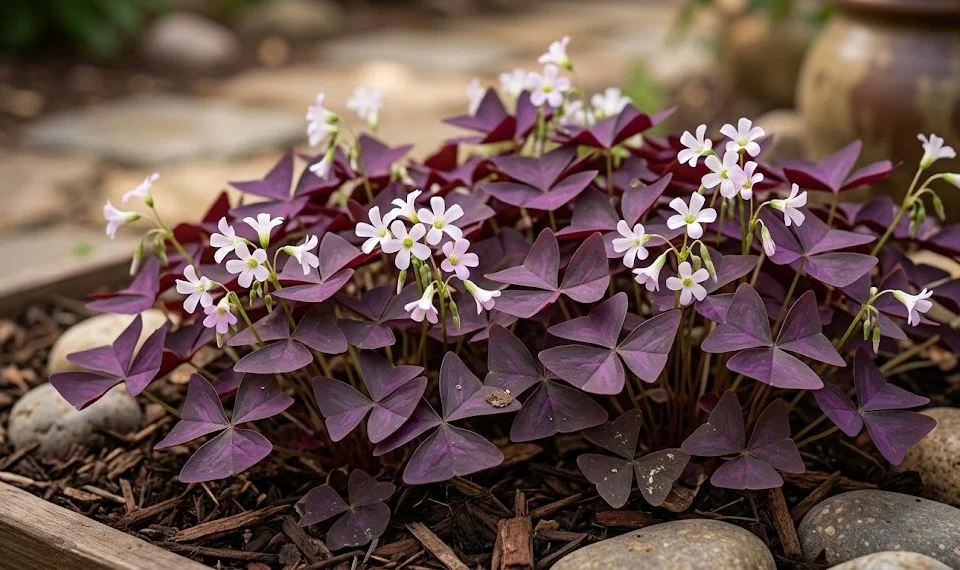

Light is the primary fuel for the false shamrock and the most important factor in its daily behavior and long-term health. Because this plant is highly sensitive to the intensity and direction of light, its placement in your home will determine its overall shape and color. Finding the right balance between “enough light” and “too much light” is the secret to maintaining that iconic deep purple hue. By understanding the physics of light as it relates to this species, you can create the perfect environment for it to thrive.
The phenomenon of nyctinasty and light
The most fascinating aspect of this plant is how it literally follows the sun throughout the day and “sleeps” at night. This movement, known as nyctinasty, is controlled by specialized cells at the base of the leaves that change their internal pressure in response to light signals. When the light hits the leaves in the morning, these cells expand, causing the three leaflets to spread out like a butterfly’s wings. This maximizes the surface area available for photosynthesis, allowing the plant to generate energy efficiently.
At night or during very dark, stormy days, the leaves will fold downward against the stem in a protective posture. This behavior is thought to help the plant conserve moisture and protect its delicate tissues from cold or physical damage. If you notice your plant staying folded during a bright day, it is often a sign of stress or a lack of sufficient light intensity. Watching this daily cycle is one of the best ways to gauge whether your plant is truly happy in its current location.
The direction of the light also plays a role in how the plant develops its overall structure and symmetry. Because the leaves are so mobile, they will naturally lean toward the strongest light source over time. To prevent your plant from becoming lopsided, professional gardeners recommend rotating the pot by 90 degrees every time you water it. This ensures that all sides of the plant receive equal energy, leading to a much fuller and more balanced appearance.
If you use artificial grow lights, you can actually manipulate these cycles to some degree to suit your own schedule. However, it is important to remember that the plant still needs a period of darkness to complete its metabolic processes. A standard 12-hour light and 12-hour dark cycle is usually ideal for maintaining a healthy rhythm without overstressing the plant’s systems. Consistency in these light cycles helps the plant stay healthy and prevents it from becoming confused about the seasons.
More articles on this topic
Finding the ideal exposure and intensity
The false shamrock thrives in bright, indirect light, which mimics the dappled sunlight it would receive on the forest floor in its native habitat. A window facing east or west is often the best location, as it provides strong light without the intense heat of a midday southern exposure. In these spots, the plant gets plenty of energy to maintain its deep purple color without the risk of damaging the delicate leaf tissues. If you only have a south-facing window, placing the plant a few feet back or behind a sheer curtain is a wise move.
Direct, harsh afternoon sunlight is the enemy of this plant’s beautiful foliage and can cause permanent damage in a matter of hours. If the light is too intense, the purple pigments can actually bleach out, leaving the leaves looking pale, yellowish, or even translucent. In extreme cases, the edges of the leaves will become brown and crispy as the moisture is sucked out of the cells faster than the roots can replace it. If you see these signs, move your plant immediately to a more shaded location.
Conversely, a lack of light is just as problematic and will result in a plant that looks sparse, “leggy,” and weak. When the plant isn’t getting enough energy, it will stretch its stems as long as possible in an attempt to find a brighter spot. These long stems are often too thin to support the weight of the leaves, causing the whole plant to flop over the side of the pot. Additionally, the leaves themselves will become smaller and lose their vibrant purple intensity in low-light conditions.
If you are unsure if your chosen spot is bright enough, you can use the “shadow test” as a simple, professional-style guide. On a bright day, place your hand between the light source and the plant’s location; a soft-edged shadow indicates good indirect light. If there is no shadow at all, the spot is likely too dark for the plant to maintain its best health over the long term. If the shadow is very sharp and dark, the light might be too direct and intense for this specific species.
More articles on this topic
Managing light through the changing seasons
As the seasons change, the angle and intensity of the light entering your home will shift significantly, requiring you to move your plant. A spot that was perfect in the winter might be far too hot and bright once the summer sun sits higher in the sky. Similarly, a location that worked well in July might become a dark, cold corner by November. Being proactive and moving your plant a few times a year will keep it in the “sweet spot” for light exposure year-round.
During the winter months, when the days are short and often cloudy, you should move your plant to the brightest window in your home. Every bit of natural light is precious during this time, and the plant will need all it can get to stay healthy. This is also the time when many people choose to supplement with grow lights to prevent the plant from becoming too dormant. Just be careful to keep the plant away from the actual glass of the window, as it can get very cold at night.
In the height of summer, you might need to do the opposite and move the plant further away from the glass to avoid heat stress. Even if the light is technically “indirect,” the ambient heat trapped near a window can be enough to trigger a stress response. Providing good air circulation near the plant can help mitigate some of the effects of high light intensity. Think of it as finding a “cool, bright” spot rather than just a “bright” spot during the warmest months of the year.
Finally, keep an eye on how the color of the leaves changes in response to the light levels throughout the year. The deep, velvety purple is most intense when the plant is getting exactly the right amount of light to fuel its pigments. If the leaves start looking more green or brownish, it is often a sign that the light balance has shifted. By paying attention to these color cues, you can become an expert at tuning your plant’s environment to perfection.