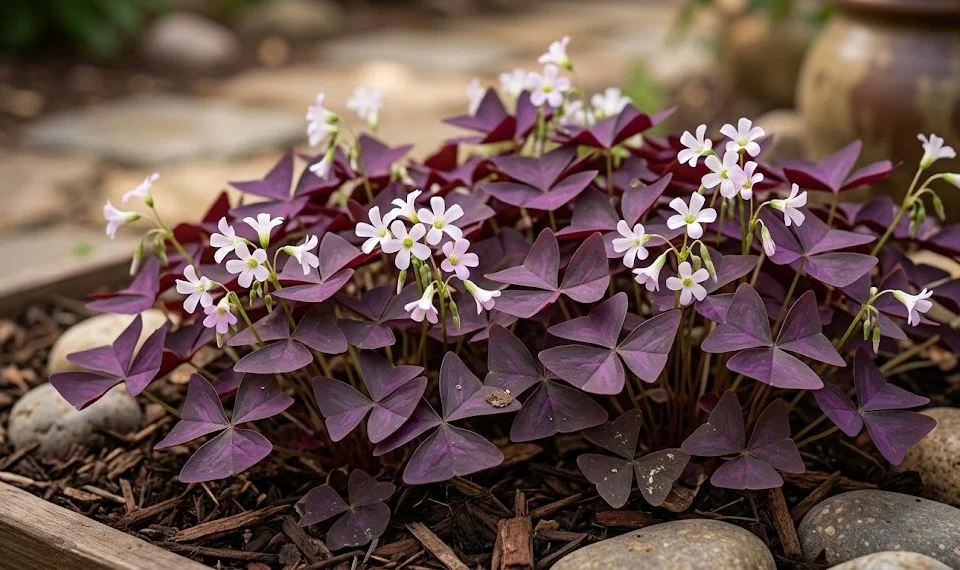

Maintaining a healthy false shamrock involves more than just water and light; it requires a vigilant eye for potential threats. Like any indoor plant, this species can fall victim to various pathogens and insects if its environment becomes unbalanced. Early detection is the most effective way to prevent a minor issue from becoming a total loss for your collection. By learning the specific signs of trouble, you can act quickly and decisively to protect your purple treasure.
Fungal pathogens and the threat of rot
The most common and devastating disease for this plant is root and rhizome rot, usually caused by over-watering. This fungal infection thrives in anaerobic conditions where the soil remains saturated for extended periods. You will notice the stems becoming soft and translucent at the base, often accompanied by a faint, unpleasant smell. Once rot has taken hold of a rhizome, it is very difficult to reverse without aggressive intervention.
Rust is another fungal issue that can occasionally affect the leaves, appearing as small orange or yellow spots on the undersides. This is often caused by poor air circulation or by getting water directly on the foliage during the evening. If left untreated, the spots will multiply and cause the leaves to wither and drop prematurely. To manage this, you should increase the distance between your plants and ensure that the leaves stay dry during the watering process.
Powdery mildew can show up as a white, flour-like dusting on the surface of the leaves in humid conditions. While it is rarely fatal, it is unsightly and can weaken the plant by blocking sunlight from reaching the photosynthetic cells. It is best treated by improving ventilation and perhaps using a mild organic fungicide like a neem oil solution. Removing the most heavily affected leaves can also help stop the spread of the spores to healthy areas.
To prevent fungal diseases from starting, always use sterilized pots and fresh, clean potting mix when planting. Pathogens can often hide in old soil or on tools that haven’t been properly cleaned between uses. If you do encounter a fungal problem, it is vital to isolate the plant from the rest of your collection immediately. This “quarantine” prevents the microscopic spores from traveling through the air and infecting your other beloved greenery.
More articles on this topic
Common insect pests and their management
Spider mites are the most frequent unwanted guests, especially during the dry winter months when indoor heating is active. These tiny arachnids are hard to see with the naked eye, but you will notice fine webbing between the stems and a stippled look on the leaves. They suck the juices out of the plant, causing the vibrant purple color to turn a dull, dusty grey. Increasing the humidity around the plant is one of the best ways to deter these pests naturally.
Aphids can sometimes find their way to the succulent new growth and the delicate flower stalks of the plant. They are usually green or black and cluster together, leaving behind a sticky substance known as honeydew. This honeydew can then attract black sooty mold, adding another layer of problems to the infestation. A strong blast of water in the sink or a wipe-down with insecticidal soap is usually enough to clear them out.
Fungus gnats are more of a nuisance than a direct threat to the foliage, but their larvae can feed on the tender young roots. You will see the small, black flies hovering around the surface of the soil when you move the pot or water the plant. Because they thrive in damp soil, the best way to eliminate them is to let the soil dry out more thoroughly between waterings. Yellow sticky traps can also be used to catch the adult flies and break the reproductive cycle.
Mealybugs are another potential threat, appearing as small, white, cottony masses in the nooks where the leaves meet the stems. They are master hiders and can quickly multiply if you aren’t looking closely at the structure of the plant. You can treat localized spots by dabbing them with a cotton swab dipped in rubbing alcohol, which dissolves their protective coating. Persistent infestations may require multiple treatments over several weeks to ensure all the eggs have hatched and been removed.
More articles on this topic
Environmental stress and physiological disorders
Not every problem with your plant’s appearance is caused by a living organism; sometimes the environment itself is the culprit. Leaf scorch happens when the plant is exposed to direct, intense sunlight for too many hours, causing brown or bleached patches. This is essentially a sunburn that damages the delicate tissues and cannot be repaired once it has happened. Moving the plant just a few feet away from the window or behind a sheer curtain will solve the problem.
Leaf drop or sudden wilting can be a sign of temperature shock if the plant is near a drafty door or a heat vent. The plant responds to these rapid changes by shedding its leaves to protect the more resilient rhizomes underground. If your plant looks perfectly healthy one day and miserable the next, check for any recent changes in the room’s climate. Restoring a stable environment is usually all it takes to encourage new growth to start appearing within a few weeks.
Edema is a condition where the plant takes up more water than it can use or transpire, causing the cells to literally burst. This shows up as small, corky bumps on the undersides of the leaves and is a direct result of inconsistent watering habits. While it doesn’t kill the plant, it does indicate that you need to be more mindful of your soil moisture levels. Correcting your watering schedule will prevent new leaves from developing these permanent scars.
Chlorosis, or the yellowing of leaves while the veins stay green, is often a sign of nutrient deficiency or a pH imbalance in the soil. If the soil is too alkaline, the plant cannot absorb the iron and magnesium it needs to maintain its health. This is a common issue for those living in areas with very hard tap water. Switching to filtered water and using a slightly acidic fertilizer can often reverse this condition over the course of a few weeks.
Preventative measures for long-term health
The best defense against any disease or pest is a strong, healthy plant that isn’t already stressed by poor care. A vigorous false shamrock has natural defenses and can recover from minor issues much more easily than a weak one. This means that staying on top of your watering, lighting, and fertilization routines is actually your best pest management strategy. Healthy plants simply aren’t as attractive to insects and are more resistant to fungal spores.
Regular inspection of your plants should be a part of your weekly routine, perhaps done while you are checking the soil moisture. Take a moment to look under the leaves and along the stems for any signs of movement or unusual spots. It is much easier to remove three aphids by hand than it is to treat a massive colony that has spread to every stem. This proactive approach saves you time, money, and the potential heartbreak of losing a plant.
Sanitation is another key pillar of prevention that many casual indoor gardeners tend to overlook. Always clean your pruning shears or scissors with alcohol before and after using them on your plants. This prevents you from accidentally moving a hidden virus or fungus from one specimen to another. Also, keep the surface of the soil clear of dead leaves or spent flowers, as these are perfect breeding grounds for pests and mold.
Finally, be cautious when bringing new plants into your home, as they are the primary way that pests are introduced. It is a good professional practice to keep any new purchase in a separate room for two weeks before placing it near your other plants. During this time, you can watch for any emerging issues and treat them without risking your entire collection. This simple habit is the mark of a truly dedicated and responsible indoor gardener.
Curative treatments and recovery
When a problem is identified, you should choose the least toxic treatment method that will still be effective. Starting with physical removal or a simple soap and water spray is often enough for minor insect problems. If you must use stronger chemicals, always read the label carefully and apply the product in a well-ventilated area. Be aware that the delicate leaves of this plant can sometimes be sensitive to certain oils or soaps, so test a small area first.
If the plant has suffered a significant loss of foliage due to disease or pests, it might be best to cut it back entirely. Because this species grows from rhizomes, it has the incredible ability to regenerate a whole new set of leaves from scratch. Remove all the damaged parts, treat the remaining soil or rhizomes, and allow the plant to start over in a clean environment. This “reset button” is one of the most unique and helpful features of the false shamrock.
During the recovery period, the plant will need extra care but less interference than usual. Provide it with optimal light and be very careful not to overwater, as it will have fewer leaves to process the moisture. Avoid fertilizing until you see healthy new growth that looks stable and vibrant. The goal is to provide a stress-free environment where the plant can focus all its energy on healing and rebuilding its canopy.
Once the plant has fully recovered, take a moment to reflect on what might have caused the issue in the first place. Was the air too dry, or was the soil staying damp for too long in that particular corner of the room? Using these experiences as learning opportunities will make you a much more skilled gardener in the long run. Each challenge overcome is another step toward mastering the art of keeping the false shamrock beautiful and thriving.