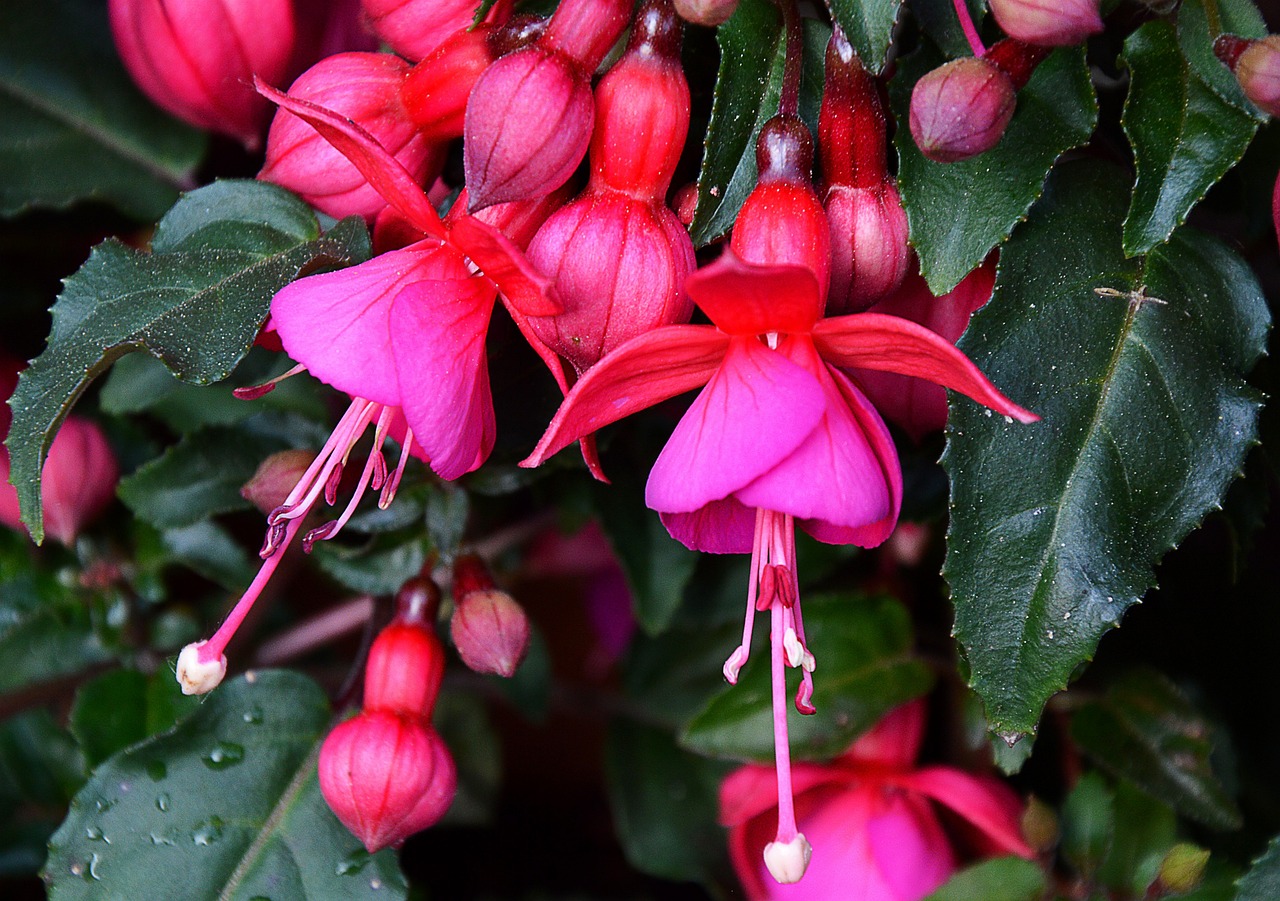

Successfully overwintering fuchsias is a crucial practice for gardeners in climates with cold winters, allowing them to preserve their cherished plants from one season to the next. Tender fuchsia varieties are not frost-hardy and will perish if left exposed to freezing temperatures. The process of preparing and storing them for their winter dormancy is a vital part of their annual care cycle. This period of rest is not merely about survival; it is a necessary phase that allows the plant to conserve energy, leading to more vigorous and healthy growth when the new season begins in spring. A well-executed overwintering strategy can ensure that mature and favourite specimens can be enjoyed for many years.
The preparation for overwintering begins in late summer and early autumn, well before the first frost is expected. The focus of care must shift from encouraging blooms to preparing the plant for a period of rest. This involves gradually reducing the frequency of watering, allowing the soil to dry out slightly more between applications. Concurrently, fertilization should be tapered off and then completely halted by mid-autumn. This cessation of feeding signals to the plant that the growing season is ending and encourages the hardening of its current growth, making it more resilient to the challenges of dormancy.
Before bringing the plants into their winter quarters, a thorough clean-up is essential. This is the time to inspect them meticulously for any signs of pests or diseases. Pests like aphids, whiteflies, and spider mites can thrive in the protected indoor environment and multiply rapidly over the winter, so it is critical to treat any infestations before bringing the plants inside. It is also advisable to remove all remaining flowers, buds, and any dead or yellowing leaves. This sanitation reduces the risk of fungal diseases like botrytis (grey mould) taking hold during the damp winter months.
A significant pruning, often referred to as a ‘hard prune’, is a key step in preparing the fuchsia for storage. The main stems should be cut back by about a half to two-thirds of their length, aiming to create an open, well-balanced framework. This drastic reduction in size not only makes the plant more manageable to store but also removes any weak or spindly growth. Furthermore, it encourages the plant to produce strong new shoots from the base and the old woody stems in the spring, leading to a much bushier and more floriferous plant in the following season.
Choosing the right overwintering location
The selection of a suitable location is a critical factor in the success of overwintering fuchsias. The ideal environment is one that is cool, dark, and, most importantly, frost-free. An unheated garage, a garden shed, a cellar, or a cool basement are all excellent options. The goal is to keep the plants in a state of deep dormancy, where metabolic activity is at a minimum. The temperature in the storage location should ideally remain consistently between 5 and 10 degrees Celsius. Temperatures below freezing will kill the plant, while warmer temperatures may encourage it to break dormancy prematurely and produce weak, etiolated growth.
More articles on this topic
Light is another important consideration. For a fully dormant storage method, the location should be dark or have very low light levels. This lack of light helps to suppress any new growth during the winter months. If the only available space has a window, it can be covered to reduce light exposure. This ensures the plant remains in a state of rest and conserves its energy reserves for the spring growth spurt, rather than wasting them on producing weak shoots in poor light conditions.
It is also important that the chosen location has some degree of air circulation to help prevent the development of fungal diseases. While a completely sealed environment might seem protective, it can trap moisture and create stagnant air, which is the perfect breeding ground for mould and mildew. Even a small amount of passive airflow can make a significant difference. If storing a large number of plants, it may be beneficial to periodically open a door or window on milder days to air out the space.
Before placing the prepared plants into their chosen location, some growers prefer to remove them from their pots, shake off most of the soil from the roots, and store them bare-root. The bare-root plants can then be packed loosely into boxes or crates with a slightly damp medium like compost, sand, or sawdust to prevent the roots from completely drying out. This method can save a considerable amount of space, which is a significant advantage for gardeners with a large collection of fuchsias.
Caring for fuchsias during dormancy
Once the fuchsias are in their winter storage, they require very minimal care, but they should not be completely forgotten. The primary task throughout the dormant period is to monitor the moisture levels of the root ball. While the goal is to keep the plants dormant, the roots must not be allowed to desiccate and die completely. The soil or storage medium should be kept just barely moist to the touch – think of a wrung-out sponge.
More articles on this topic
The frequency of watering will be drastically reduced, perhaps to only once a month or even less, depending on the specific conditions of the storage area. When watering is necessary, it should be done very sparingly, providing just enough moisture to prevent the compost from turning to dust. It is far better to err on the side of being too dry than too wet, as excessive moisture in cool conditions is a direct invitation for root and stem rot to set in, which can quickly destroy the dormant plant.
Throughout the winter, it is a good practice to periodically check on the stored plants. This allows for a quick inspection for any signs of trouble, such as the development of mould on the stems or evidence of pests like mice, which might be tempted to chew on the woody parts. Any stems that show signs of rot or disease should be immediately pruned out to prevent the problem from spreading. These regular check-ups ensure that any potential issues are caught early.
It is also important to be patient and resist the temptation to bring the plants out of dormancy too early. The overwintering period is a crucial phase of rest that rejuvenates the plant. Bringing them into a warm, bright environment prematurely can disrupt this cycle and lead to weak, leggy growth that is vulnerable to late frosts if moved outdoors too soon. The plants should remain in their cool, dark storage until the risk of hard frost has passed in the spring.
Waking up fuchsias in spring
As the end of winter approaches and the days begin to lengthen, it is time to start the process of waking the fuchsias from their dormancy. This transition should be gradual to avoid shocking the plants. The process typically begins about six to eight weeks before the last expected frost date in your region. The first step is to bring the plants out of their dark, cool storage area and into a location with more light and slightly warmer temperatures.
Upon bringing them out of storage, a final pruning and tidying up is in order. Inspect the plants carefully and prune off any stems that may have died back or become damaged over the winter. This is also a good time to repot the fuchsias into fresh, high-quality potting compost. If the plants were stored bare-root, they should be potted up into appropriately sized containers. This fresh soil will provide the nutrients the plant needs to fuel its initial burst of spring growth.
After repotting, the plants should be watered thoroughly. This initial watering signals the end of dormancy and encourages the root system to become active again. Following this, a regular watering schedule can be resumed, allowing the top layer of soil to dry out slightly between waterings. About two weeks after repotting, once new growth begins to appear, a regular feeding program can be initiated, starting with a half-strength balanced liquid fertilizer.
The newly awakened plants should be placed in a location that receives bright, indirect light, such as a cool greenhouse, a porch, or near a bright window indoors. As new shoots emerge, they can be pinched back after they have developed two or three pairs of leaves. This pinching technique encourages the plant to branch out and become much bushier, which will ultimately lead to a more abundant floral display later in the season. The plants can be gradually acclimated to outdoor conditions before being moved to their final summer position once all danger of frost has passed.
Overwintering fuchsias is a great way to save money and preserve your favorite plants from year to year. I’ve found that the “hard prune” method works best for me: I cut the plants back to about 4-6 inches and move them into a cool, dark basement for the winter. I only water them once a month, just enough to keep the root ball from completely drying out. It’s amazing how they spring back to life once they are moved back into the light and warmth in the spring. I’ve had some of my fuchsias for over five years now using this simple method. It’s a bit of a process, but definitely worth it!
I’ve always been a bit nervous about overwatering my fuchsias during the winter, so I’m glad to hear you only water them once a month. I’ve lost a few plants to rot in the past because I was a bit too enthusiastic with the watering can. This year, I’m going to be much more careful and follow your advice. I’m also going to try the “hard prune” method you mentioned, as my plants were getting a bit leggy last year. It’s so rewarding to see them start to grow again in the spring! Thanks for sharing your experience and tips.
For those who don’t have a cool basement, you can also overwinter fuchsias as houseplants in a sunny window. They might not bloom as much as they do in the summer, but they will still provide some beautiful green foliage throughout the winter. Just make sure to keep them away from any drafty windows or heating vents, as they prefer a relatively stable temperature. I also recommend using a humidifier or a pebble tray to help maintain the humidity levels that fuchsias love. It’s a great way to keep a little bit of the garden inside during the cold winter months. Thanks for the helpful guide on overwintering these beautiful plants!