
Effective pruning is a simple yet powerful technique that can dramatically improve the health and appearance of your garden perennials. These plants respond well to a regular maintenance schedule that involves removing spent flowers and thinning out old or damaged foliage. By understanding the timing and methods for cutting back, you can encourage more blooms and prevent the spread of common garden diseases. A professional approach to pruning ensures that your plants remain a tidy and attractive feature of your landscape throughout the entire year.
Post-bloom maintenance and deadheading
The most important pruning task occurs immediately after the first flush of flowers has begun to fade and lose its visual appeal. You should cut back the individual flower stalks to the base of the plant to encourage a potential second round of blooming later in the season. This process, known as deadheading, prevents the plant from putting its energy into seed production and instead redirects it toward vegetative growth. Use sharp, clean snips to make clean cuts that will heal quickly and minimize the risk of infection.
Regularly removing spent blossoms also helps maintain a neat and organized appearance in your garden borders throughout the spring and summer. As the flowers die, they can become a target for mold and can sometimes look a bit messy against the fresh green foliage. By spending a few minutes each week on deadheading, you can keep the entire plant looking its best for much longer than if it were left alone. It is a rewarding and therapeutic task that allows you to stay closely connected to the daily changes in your garden.
If you want the plant to self-seed, you should leave a few of the strongest flower stalks to develop their decorative seed pods. These pods have their own unique beauty and can add structural interest to the garden as they dry and turn a golden brown. Once the seeds have been dispersed, you can then cut the remaining stalks down to the ground to tidy up the plant for the rest of the season. Balancing the need for a neat garden with the desire for new seedlings is a key part of managing these short-lived perennials.
Thinning out the foliage after the main flowering period can also improve the air circulation around the crown of the plant. You should remove any leaves that show signs of yellowing or damage from leaf miners to keep the plant looking healthy and vibrant. This light pruning helps reduce the humidity within the canopy, which is the best defense against fungal issues like powdery mildew. A well-pruned plant is not only more attractive but is also much better equipped to stay healthy in a crowded garden bed.
More articles on this topic
Removing damaged and diseased foliage
Throughout the growing season, it is important to keep a close eye on the health of the leaves and stems. You should immediately remove any foliage that shows signs of significant disease, such as the white coating of powdery mildew or the spots of a fungal infection. Dispose of this material in the trash rather than the compost pile to ensure the pathogens are completely removed from your garden environment. Early intervention is the most effective way to prevent a small problem from turning into a major outbreak.
Damage from pests, like the winding trails of leaf miners, can also be managed through careful and targeted pruning of the affected areas. While a few damaged leaves won’t hurt the plant, a large-scale infestation can be unsightly and may weaken the plant’s overall vigor. Removing the most heavily infested leaves as soon as you see them can help break the life cycle of the pest and protect the rest of the foliage. This proactive approach to maintenance is a fundamental part of an integrated pest management strategy.
Physical damage from wind, rain, or accidental trampling should also be addressed quickly to keep the plant healthy and focused on growth. You should trim away any broken stems or crushed leaves to provide a clean edge that the plant can easily seal off and heal. Leaving damaged tissue on the plant can invite pests and diseases that are attracted to weakened or dying plant material. A quick cleanup after a summer storm will help your perennials recover their beauty and continue to thrive.
Pruning for air circulation is especially important in gardens where plants are grown close together to create a lush, full look. You can selectively remove a few of the inner leaves to allow more light and air to reach the center of the plant’s crown. This simple step can make a big difference in the overall health of the foliage and can prevent the lower leaves from yellowing due to lack of light. Mastering the art of selective thinning will help you maintain a beautiful and healthy garden even in the most crowded spaces.
More articles on this topic
Final fall cutback and winter prep
As the growing season comes to an end, the plant will naturally begin to shut down and prepare for its period of winter dormancy. You will notice the leaves turning yellow and eventually brown as the nutrients are moved back down into the root system for storage. You should wait until the foliage has completely withered before you perform the final cutback for the year. Cutting too early can deprive the plant of the essential energy it needs to survive the winter and return strong in the spring.
The final cut should be made just a few centimeters above the soil line, removing all the dead organic material from the current season. This seasonal cleanup is essential for maintaining a tidy garden and removing potential hiding spots for overwintering pests. It also makes it much easier to apply a protective layer of mulch once the ground has frozen for the first time. Taking the time to do a thorough job in the autumn will save you a lot of work when the garden wakes up again in the spring.
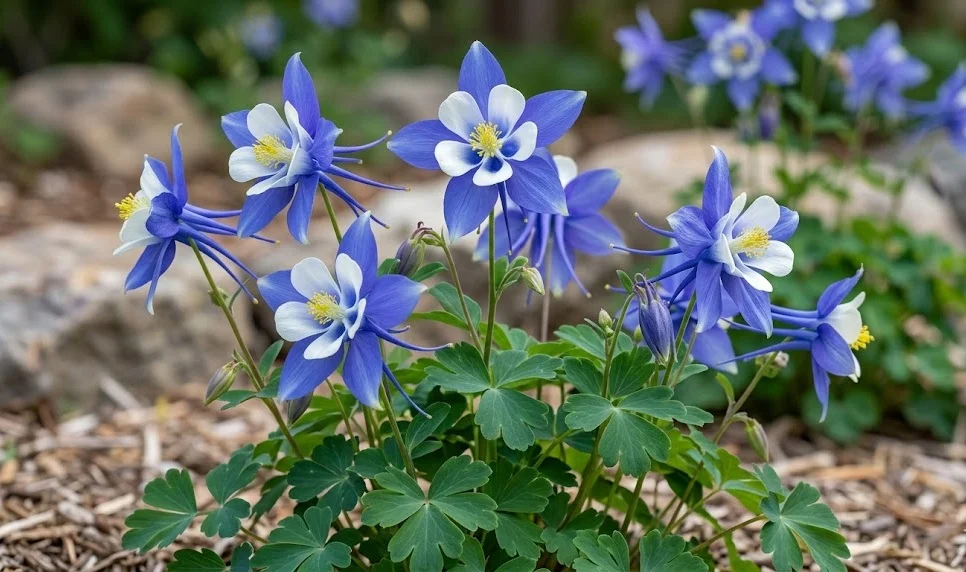
Clearing the area around the base of the plant after pruning is a good practice that helps prevent the buildup of mold and rot. You should remove any fallen leaves from other trees that may have collected around the crown of your columbines. This ensures that the soil remains well-aerated and that the plant has a clean environment for its winter rest. A well-maintained garden bed is a sign of a professional approach to horticulture and sets the stage for future success.
Using this time to inspect the overall health of your plants will help you plan for any necessary changes or replacements in the coming year. You can take note of which plants performed well and which might benefit from a change in location or care routine. Keeping a garden journal of your pruning activities and their results is a valuable way to build your knowledge and improve your skills over time. Each season offers new lessons for the observant gardener who is willing to put in the effort to care for their plants properly.