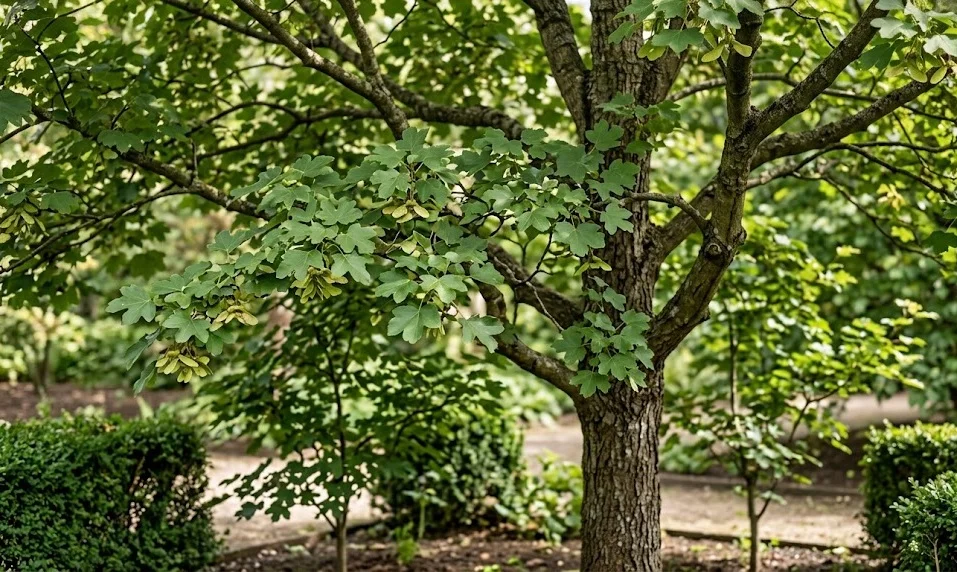

The field maple is a remarkably flexible species when it comes to light, demonstrating a level of tolerance that many other maples simply cannot match. In its natural woodland environment, it often grows as an understory tree, where it must compete for the limited sunlight filtering through the canopy. This history has given the species the ability to thrive in both full sun and partial shade, making it a versatile choice for many different garden designs. However, understanding how light affects its growth habit will help you place it in the most effective location.
Full sun exposure generally produces the most compact and structurally sound specimens with the densest foliage. If you are planting the tree for its ornamental value or as a focal point, a location that receives at least six hours of direct sunlight is ideal. Under these conditions, the leaves will be a vibrant, deep green and the autumn color transformation will be more dramatic and reliable. The increased light also helps the wood to ripen properly, making it more resistant to winter damage.
In partial shade, the field maple will still grow quite happily, though it may develop a more open and airy canopy. This can be an advantage if you are looking for a tree that provides “dappled” shade rather than a solid block of darkness. You might notice that the leaves are slightly larger and thinner in shadier spots, as the tree tries to maximize its surface area for photosynthesis. While the growth rate might be a bit slower, the tree remains healthy and provides a beautiful, naturalistic appearance.
Deep shade is the only lighting condition that can truly challenge the vitality and health of a field maple over the long term. While it can survive for many years in the shadow of taller buildings or larger trees, it may become “leggy” and lose its lower branches. The canopy will often grow lopsided as the tree leans towards the nearest source of available light, which can create structural imbalances. If you must plant in a dark area, choosing a shade-tolerant cultivar or thinning surrounding trees may be necessary.
Light and autumn coloration
The spectacular golden-yellow autumn display of the field maple is heavily influenced by the amount of light it receives during the growing season. High light levels allow the tree to produce more sugars through photosynthesis, which are then stored and eventually converted into colorful pigments. Trees grown in sunnier locations typically show a more intense and uniform color change compared to those in the shade. This is one of the most compelling reasons to prioritize a bright spot for this particular species.
More articles on this topic
Even within a single tree, you may notice that the outer branches in the sun turn color much earlier than the shaded interior. This creates a beautiful, multi-toned effect that adds depth and visual interest to the autumn landscape for several weeks. The transition usually begins in late September or October, depending on the local climate and the specific weather patterns of the year. Consistent light throughout the summer ensures that the tree has the energy reserves needed for this final, grand performance.
If your tree is not producing the expected autumn colors, it may be receiving too much shade or suffering from a lack of specific nutrients. You can often improve the situation by selectively pruning surrounding vegetation to allow more sunlight to reach the maple’s canopy. This simple intervention can make a world of difference in the aesthetic impact of the tree during the late season. A bright, sunny autumn followed by crisp nights provides the perfect recipe for the most stunning golden hues.
Light exposure also influences how long the leaves remain on the tree before they finally drop for the winter. Trees in sunny, sheltered locations often hold their color longer, providing a extended period of visual interest in the garden. In contrast, trees in deep shade may drop their leaves more quickly as they enter dormancy earlier to conserve energy. By managing the light environment, you can effectively influence the seasonal timing and beauty of your field maple.
Light requirements for young saplings
Young field maples are particularly sensitive to light levels as they establish their primary root system and initial branch structure. While they need light to grow, very young saplings can be scorched by intense, direct afternoon sun in extremely hot climates. Providing a bit of temporary shade during the peak of summer can help prevent leaf burn and reduce the overall stress on the young plant. As the tree matures and develops a thicker bark and deeper roots, its tolerance for intense light increases significantly.
More articles on this topic
When growing field maples from seed, the lighting conditions for the young seedlings must be carefully controlled to prevent them from becoming weak. Bright, indirect light is best for the first few months, followed by a gradual introduction to more direct sunlight as they get stronger. This process of “hardening off” ensures that the young trees are ready for the realities of the outdoor environment. A seedling that has been grown in too much shade will often struggle or even collapse when moved into a sunny garden position.
In a nursery or garden setting, you should ensure that young maples are not completely overshadowed by larger, more established plants. The competition for light can be fierce, and a young tree that is constantly in the shade will never reach its full potential. You may need to clear some space or prune back neighboring shrubs to give the young maple the light it needs to thrive. This early investment in light management pays off with a much stronger and more beautiful mature tree.
Monitoring the direction of the light is also important for ensuring the young tree develops a straight and balanced trunk. If the light is coming primarily from one side, the tree will naturally grow in that direction, which can lead to permanent structural issues. You can rotate container-grown trees periodically or use reflective surfaces to encourage more even growth from all sides. A balanced start leads to a lifetime of structural integrity and aesthetic harmony for your field maple.
Managing light in different landscape roles
The role of the field maple in your landscape design will often dictate its specific light requirements and management needs. If you are using the tree as a formal hedge, regular clipping will ensure that light reaches the inner and lower parts of the plant. This prevents the “bottom-heavy” look where the lower branches die back due to a lack of sunlight reaching through the dense outer growth. A well-lit hedge remains thick and green from top to bottom, providing better privacy and wind protection.
As a specimen tree, the field maple should ideally be given enough space so that it doesn’t have to compete for light with other large trees. This allows it to develop its natural, rounded crown and provides a 360-degree view of its beautiful foliage and bark. If it must be planted near other trees, try to place it on the southern or western side to maximize its exposure to the sun. This strategic placement ensures that the maple remains a highlight of the garden rather than just a background plant.
In woodland or “wildlife” areas of the garden, the field maple can be allowed to grow more naturally, even if this means dealing with variable light conditions. Its ability to adapt to dappled shade makes it an excellent choice for creating a multi-layered, ecologically rich environment. You might find that these trees develop a more irregular and interesting shape, which adds to the naturalistic charm of the space. Even in these less formal settings, a bit of light management can help maintain the health and longevity of the tree.
Ultimately, the field maple is a “forgiving” tree that will do its best to adapt to whatever light you can provide in your garden. By understanding its preferences and needs, you can help it reach its full potential for beauty, health, and structural strength. Whether you have a sun-drenched courtyard or a shady woodland corner, there is a place for this resilient and beautiful maple. Its quiet elegance and reliable performance make it a truly valuable addition to any outdoor space, regardless of the light levels.