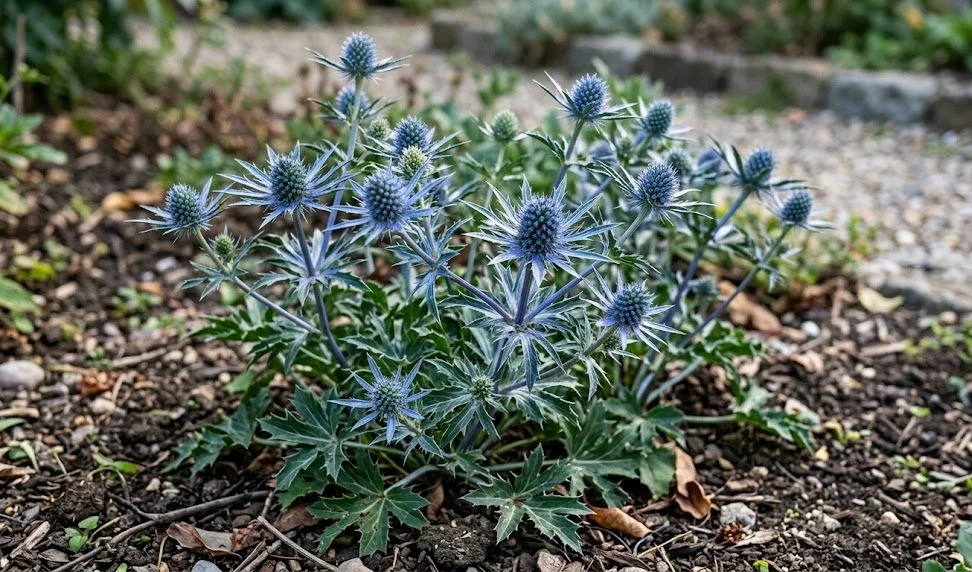

The blue eryngo is generally a robust and healthy perennial, but it is not entirely immune to the challenges posed by pests and diseases. Most issues that arise are directly related to environmental stress or improper cultural practices, particularly those involving moisture. Understanding the potential threats allows a professional gardener to take proactive steps to prevent problems before they take hold. A healthy plant in the right location is the best defense against the various biological pressures it may encounter.
Fungal diseases are the most common health problems faced by this species, often triggered by excessive humidity or poor air circulation. Powdery mildew can occasionally appear on the leaves during warm, damp periods, showing up as a white, dusty coating. While it rarely kills the plant, it can significantly detract from its appearance and weaken its overall vigor. To prevent this, ensure that plants are spaced adequately to allow air to flow freely through the foliage.
Root rot is a much more serious fungal issue that can be fatal if the conditions are not corrected. It is caused by various soil-borne pathogens that thrive in waterlogged or heavy soils where oxygen levels are low. The first signs are often a sudden wilting of the plant despite the soil being wet, followed by the yellowing and collapse of the stems. If root rot is suspected, the only solution is often to improve the drainage immediately or remove the affected plant to prevent the spread to neighbors.
Leaf spot is another fungal condition that can manifest as dark, circular lesions on the foliage. This often occurs during unusually rainy springs or when overhead watering is used frequently. Removing the affected leaves and ensuring the base of the plant remains dry can usually manage the situation. For a professional, maintaining a clean garden environment by removing fallen debris is a standard practice to reduce the reservoir of fungal spores.
Managing common insect pests
While the blue eryngo is not a primary target for many common garden pests, some insects can still cause minor issues. Aphids are the most frequent visitors, often clustering around the tender new growth or the base of the flower heads in early summer. They suck the sap from the plant, which can lead to distorted leaves and the secretion of sticky honeydew. In most cases, a strong blast of water from a garden hose is enough to dislodge them and keep their numbers in check.
More articles on this topic
Slugs and snails can be a problem for young plants and fresh spring growth, especially during wet weather. They tend to feed on the basal leaves, leaving behind large holes and unsightly slime trails. Protecting young seedlings with organic barriers or grit can help minimize the damage during their most vulnerable stage. Once the plant develops its tough, spiny foliage, it becomes much less attractive to these mollusks.
In some regions, the eryngo leaf miner can be a specific nuisance, with larvae tunneling through the leaf tissue. This creates pale, winding trails inside the leaves that can eventually turn brown and dry out. While the damage is mostly aesthetic, a severe infestation can reduce the plant’s ability to photosynthesize effectively. Removing and destroying the affected leaves as soon as the mines are spotted is the most effective way to break the pest’s life cycle.
Spider mites may become an issue during very hot, dry summers when the plant is already under stress. These tiny pests are difficult to see with the naked eye, but their presence is signaled by fine webbing and a stippled, yellow appearance of the leaves. Increasing the local humidity around the plant or using a fine mist of water can help discourage them. A professional gardener monitors the undersides of the leaves regularly to catch any mite activity early.
Preventing environmental and physiological stress
Many symptoms that look like disease are actually physiological responses to environmental stress. For example, the browning of leaf tips can be caused by rapid changes in temperature or irregular watering patterns. This is not an infection but a sign that the plant is struggling to regulate its internal water balance. Ensuring a consistent environment and avoiding sudden changes in care can help prevent these non-pathogenic issues from occurring.
More articles on this topic
Salt damage can also be a factor for plants grown near coastal areas or close to roads that are salted in the winter. High salt levels in the soil can draw moisture away from the roots, causing symptoms that mimic extreme drought. If you suspect salt buildup, flushing the soil with plenty of fresh water in the spring can help leach the salts away. Choosing a protected location or using physical barriers can also help reduce the impact of salt spray on the foliage.
Edema is a condition where the plant takes up more water than it can transpire, leading to small, corky bumps on the leaves. This often happens during periods of cool, cloudy weather when the soil is warm and wet but the air is humid. It is a clear sign that the plant’s environment is out of balance and needs better air movement or less water. While the bumps are permanent, new growth will be healthy once the environmental conditions improve.
Nutrient deficiencies can also lead to symptoms that might be mistaken for viral or fungal infections. For example, a lack of iron can cause interveinal chlorosis, where the leaves turn yellow while the veins remain green. A professional approach involves using a diagnostic mindset to rule out environmental factors before jumping to conclusions about diseases. Keeping a close eye on the plant’s overall growth pattern will provide clues about its subterranean health.
Integrated pest management strategies
Adopting an Integrated Pest Management (IPM) approach is the most professional and sustainable way to handle plant health issues. This strategy prioritizes prevention through proper cultural practices, such as choosing the right site and maintaining good hygiene. By creating a diverse garden ecosystem, you encourage natural predators like ladybugs and lacewings to do the work of pest control for you. This reduces the need for chemical interventions that can harm beneficial insects and the wider environment.
If a pest or disease problem becomes severe enough to require treatment, always start with the least toxic options. Horticultural oils and insecticidal soaps can be very effective against soft-bodied insects while having a minimal impact on the environment. These treatments should be applied in the evening to avoid harming pollinators and to prevent the foliage from burning in the sun. Always follow the label instructions precisely to ensure the safety and effectiveness of the application.
Regular scouting is a fundamental part of a professional IPM program, involving a thorough inspection of the plants at least once a week. Catching a problem in its earliest stages often means it can be managed with simple mechanical methods, such as hand-picking insects or pruning out infected stems. This proactive monitoring saves time and resources in the long run and prevents minor issues from escalating. Documentation of pest cycles in your specific garden can also help you anticipate future challenges.
Sanitation is perhaps the most overlooked aspect of pest and disease management in the home garden. Always clean your pruning tools with alcohol or a mild bleach solution between plants to avoid spreading pathogens. At the end of the season, remove any diseased plant material from the garden rather than composting it, as many spores can survive the composting process. A tidy garden is a healthy garden, and these small habits make a significant difference in the success of your perennials.
Long term health monitoring and recovery
Recovering from a pest or disease outbreak requires patience and continued attention to the plant’s needs. Once the primary threat has been addressed, the plant may need a little extra support in the form of careful watering and perhaps a light application of a balanced fertilizer. Avoid over-stimulating the plant, as too much new growth can be particularly attractive to pests and susceptible to further infections. The goal is a steady return to health rather than a rapid, weak flush of growth.
It is important to evaluate why the problem occurred in the first place to prevent a recurrence in the following year. Was the plant stressed by drought, or was the soil too wet for too long? Perhaps the plant has grown so much that it is now crowding its neighbors and restricting air flow. Making small adjustments to the garden layout or the care routine based on these reflections is part of the professional gardening process.
In some cases, a plant may be so severely affected that it is better to remove it and start fresh with a healthy specimen. This is a difficult decision but sometimes necessary to protect the rest of the garden from persistent diseases like verticillium wilt or heavy infestations. If you do replace a plant, consider whether the site needs to be improved or if a different species might be better suited to the conditions. Every challenge is an opportunity to refine your horticultural knowledge and skills.
Maintaining a resilient garden involves choosing plants that are naturally well-suited to your local climate and soil conditions. The blue eryngo is an excellent choice for many gardens because of its inherent toughness and resistance to most problems. By providing it with the basic care it needs and monitoring its health professionally, you can enjoy its unique beauty for many years. A successful garden is built on the foundation of healthy, well-managed plants that can withstand the occasional biological challenge.