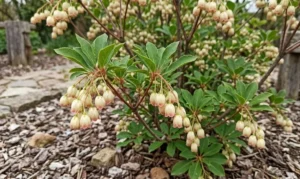
While the Chinese empress tree is known for its tropical appearance, it is actually quite hardy once it reaches maturity. It can typically withstand temperatures down to negative twenty degrees Celsius without suffering significant long-term damage. However, the success of overwintering depends heavily on how well the wood has hardened off before the first deep freeze. A tree that is still actively growing in late autumn is much more vulnerable to sudden temperature drops.
The process of dormancy is triggered by the shortening days of autumn and the gradual cooling of the air. During this time, the tree moves its energy reserves from the leaves down into the root system and the woody trunk. You will notice the massive leaves turning brown and falling off, which is a perfectly natural part of its annual cycle. Once the tree is fully dormant, it is much better equipped to handle the stresses of a harsh winter environment.
Young trees, particularly those in their first or second year, are significantly more sensitive to extreme cold than older specimens. Their bark is thinner and their root systems are not yet deep enough to reach the more stable temperatures of the lower soil layers. If you live in a region with particularly harsh winters, you may need to take extra precautions for these young saplings. Understanding the limitations of the tree’s cold hardiness is the first step in successful winter management.
Late spring frosts can sometimes be more damaging than mid-winter cold because they catch the tree as it is waking up. If the buds have already started to swell or open, a sudden freeze can kill the new growth and the season’s flowers. While the tree will usually produce a second set of leaves, the energy cost of doing so can slow down its overall growth for that year. Monitoring the local weather forecast during the transition periods of spring and autumn is a vital part of professional care.
Protecting young trees from the elements
For a newly planted Chinese empress tree, providing physical protection can make the difference between survival and failure. A simple burlap wrap around the trunk can insulate the thin bark against the drying effects of cold winter winds. You can also create a temporary “cage” around the tree and fill it loosely with straw or dry leaves for added insulation. This barrier helps maintain a slightly more stable microclimate around the most sensitive parts of the young plant.
More articles on this topic
Sunscald is a specific type of winter damage that occurs on the south-facing side of the trunk on bright, cold days. The sun warms the dark bark, causing the cells to wake up, only for them to freeze rapidly when the sun goes down or a cloud passes. Using a white tree guard or a specialized tree wrap can reflect the sunlight and prevent this localized heating from occurring. This is a common practice among professional orchardists and is very effective for thin-barked ornamental trees as well.
The root zone of a young tree is its most valuable asset and should be protected from deep ground freezes. A thick layer of organic mulch, such as wood chips or straw, acts like a warm blanket for the soil. You should apply this mulch in late autumn after the first light frost has arrived but before the ground freezes solid. This timing ensures that the soil retains some of its residual summer heat for as long as possible into the winter.
Avoid the temptation to prune the tree in late autumn or early winter, as this can stimulate the plant to stay active longer than it should. Wounds from pruning also take longer to heal during the dormant season and can be an entry point for cold and disease. It is much better to wait until late winter or very early spring when the tree is just about to start growing again. Keeping the tree’s natural structure intact during the winter provides it with the best defenses against the elements.
Mulching techniques for winter insulation
Proper mulching is an art form that can significantly enhance the winter survival rate of many landscape plants. For the Chinese empress tree, the mulch layer should be at least ten to fifteen centimeters thick and extend out past the drip line. This wide coverage ensures that the majority of the shallow feeder roots are protected from the worst of the temperature fluctuations. Use a material that is loose enough to allow for some air exchange while still providing effective insulation.
More articles on this topic
As mentioned in previous sections, never pile the mulch directly against the bark of the trunk, as this can lead to moisture buildup and rot. Create a “well” in the center of the mulch ring so the base of the tree remains dry and exposed to the air. This prevents rodents like voles from nesting against the bark and chewing on the tree during the winter months. A properly placed mulch ring is a multifunctional tool that protects, feeds, and preserves the health of your tree.
In addition to temperature regulation, winter mulch helps maintain soil moisture during dry, windy periods. Even though the tree is dormant, the roots still need a small amount of hydration to stay alive and healthy. Frozen soil can sometimes lead to “winter drought,” where the plant cannot take up water even if it is present in the form of ice. Mulch slows down the freezing process and allows the roots to access liquid water for a longer period.
When spring arrives, do not be in a rush to remove the mulch as soon as the first warm day occurs. Late-season cold snaps can still happen, and the mulch will continue to protect the roots from these sudden changes. You can gradually thin out the layer as the weather becomes consistently warm and the tree begins to show signs of life. Integrating the old mulch into the soil or adding a fresh layer on top will provide a great start for the new growing season.
Spring recovery and assessment
The first few weeks of spring are a critical time for assessing how well your Chinese empress tree handled the winter. You should look for signs of life in the form of swelling buds and the characteristic purple flower clusters if the tree is old enough. Sometimes, the tips of the youngest branches may have died back, which is a common occurrence in colder climates. This is not usually a cause for alarm, as the tree will quickly sprout new growth from the healthy wood below.
If you notice large areas of dead wood or bark that is peeling away in significant strips, the tree may have suffered more serious cold damage. Use a sharp knife to gently scratch a small area of a branch; if it is green underneath, the wood is still alive. If it is brown and brittle, that section of the tree is likely dead and should be removed. Pruning back to healthy, green wood in the spring allows the tree to focus its energy on new growth.
A light application of fertilizer in early spring can help the tree recover its energy reserves after a long winter. Choose a formula that is balanced or slightly higher in phosphorus to support strong root and flower development. This is also a good time to check the integrity of any stakes or ties that you used for protection during the winter. As the tree prepares for its explosive summer growth, it needs a clear and unobstructed path to expand.
Finally, keep an eye on the soil moisture as the days get longer and the sun gets stronger. The combination of new leaf development and increasing temperatures means the tree’s demand for water will rise rapidly. Providing a deep, soaking watering in mid-spring can help the tree establish a strong momentum for the rest of the year. With a little care and attention during the winter transition, your Chinese empress tree will continue to be a stunning highlight of your garden.