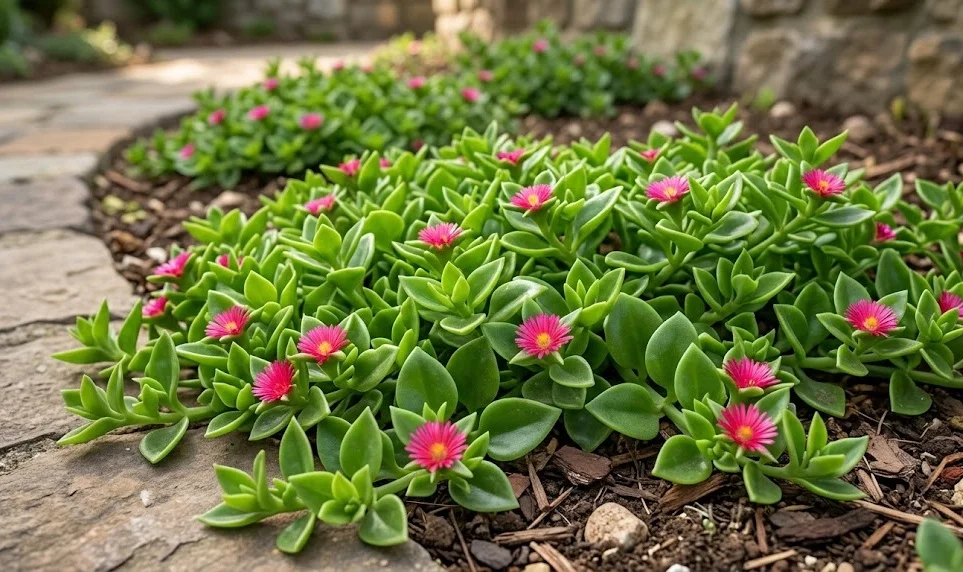

While the baby sun rose is a remarkably tough plant, it is not entirely immune to the challenges of pests and diseases. Most issues arise when the plant is under stress due to improper environmental conditions or poor maintenance habits. By learning to identify the early warning signs, you can take swift action to protect your garden from significant damage. A proactive approach to health is always more effective than trying to cure a severe infestation or infection.
The most common threat to this succulent is root rot, which is almost always caused by excessive moisture in the soil. Fungal pathogens thrive in damp, low-oxygen environments and can quickly compromise the plant’s vascular system. Once rot has taken hold, it can be difficult to reverse, often requiring the removal of the affected parts. Prevention through proper soil drainage and careful watering is the absolute best defense against this silent killer.
Pests are another concern, with sap-sucking insects being the most likely culprits to visit your plants. These small invaders can weaken the plant by draining its vital fluids and sometimes spreading viral diseases in the process. Because the plant has fleshy leaves, it provides a tempting target for insects looking for a quick meal. Keeping the plant healthy and vigorous is the first step in making it less attractive to these unwanted guests.
Environmental hygiene also plays a major role in preventing the spread of diseases within a garden bed. Removing fallen leaves and debris from around the base of the plant reduces the hiding spots for pests and the breeding grounds for fungi. Ensuring good air circulation between the stems helps the foliage dry quickly after rain or dew. A clean garden is a healthy garden, and this is especially true for succulent species.
Common fungal and bacterial issues
Beyond root rot, various types of leaf spot fungi can occasionally affect the appearance of the foliage. These often appear as dark brown or black spots that may have a yellow halo around the edges. They typically occur during periods of high humidity and cool temperatures when the leaves remain wet for extended periods. While usually not fatal, a severe case can cause significant leaf drop and unsightly scarring on the plant.
More articles on this topic
Powdery mildew is another fungal issue that can manifest as a white, flour-like coating on the surface of the leaves. This fungus thrives in warm, dry climates with high humidity, often appearing when the air is stagnant. It can interfere with photosynthesis, leading to stunted growth and a general decline in the plant’s vigor. Improving air flow and avoiding overhead watering are effective ways to reduce the risk of powdery mildew.
Bacterial soft rot can sometimes occur if the plant’s tissue is damaged by insects or improper pruning. This disease causes the stems to become watery and foul-smelling, rapidly spreading through the healthy parts of the plant. If you notice a stem that has suddenly collapsed and turned mushy, it is important to remove it immediately. Clean your cutting tools with alcohol between every snip to avoid spreading the bacteria further.
Managing these diseases often involves a combination of cultural adjustments and, if necessary, targeted treatments. For fungal issues, a copper-based fungicide or a simple baking soda solution can sometimes provide relief. However, if the underlying environmental problem is not addressed, the disease is likely to return. Always prioritize fixing the drainage or air circulation issues before reaching for a chemical solution.
Dealing with sap sucking insect pests
Aphids are small, pear-shaped insects that can often be found clustered on the tender new growth of the plant. They come in various colors and can multiply rapidly, causing the leaves to become distorted or curled. As they feed, they excrete a sticky substance known as honeydew, which can attract ants and lead to the growth of sooty mold. A strong stream of water from a hose is often enough to dislodge these pests and keep their numbers in check.
More articles on this topic
Mealybugs are another common nuisance, appearing as small, white, cottony masses in the leaf axils or along the stems. They are experts at hiding in the tight spaces of the plant, making them difficult to eradicate once they are established. Like aphids, they suck the sap from the plant and can cause significant weakening over time. Treating them with a cotton swab dipped in rubbing alcohol is an effective way to remove individual bugs.
Scale insects can also be a problem, looking like small, hard bumps on the stems or the undersides of the leaves. They are often mistaken for part of the plant itself because they remain stationary while feeding. Scale can be particularly stubborn and may require the use of horticultural oils or insecticidal soaps to control. Consistency is key when dealing with scale, as you often need to treat the plant multiple times to catch all life stages.
Spider mites are tiny pests that are often only noticed once they have created fine webbing between the stems. They thrive in hot, dry conditions and can cause the leaves to take on a stippled, yellowed appearance. Increasing the humidity around the plant or giving it a good wash can help discourage these pests from settling in. If the infestation is severe, neem oil can be a useful tool for bringing the population under control.
Natural remedies and integrated pest management
Integrated Pest Management (IPM) is a sustainable approach that focuses on long-term prevention through a combination of techniques. This includes encouraging natural predators such as ladybugs, lacewings, and hoverflies to take up residence in your garden. These beneficial insects act as a natural cleanup crew, keeping aphid and mite populations at manageable levels. Providing a diverse range of flowering plants nearby will help attract these helpful garden allies.
Neem oil is a popular natural remedy that can be used to treat a wide variety of pest and fungal issues. It works by interfering with the life cycles of the insects and providing a protective barrier against fungal spores. It is generally safe for the environment and for beneficial insects when applied correctly according to the label. Always test a small area of the plant first to ensure there is no adverse reaction to the oil.
Insecticidal soaps are another low-toxicity option for controlling soft-bodied pests like aphids and mealybugs. These soaps work on contact by breaking down the outer shell of the insect, leading to dehydration. Because they only work when wet, thorough coverage of all plant surfaces, including the undersides of leaves, is essential. They are a great tool for the organic gardener who wants to minimize the use of harsh chemicals.
Using a solution of mild dish soap and water can also be an effective home remedy for minor pest problems. Be sure to use a soap that does not contain degreasers or harsh fragrances that could damage the plant’s protective waxy coating. Spray the plant in the early morning or late evening to avoid the risk of leaf burn under the hot sun. This simple method is often all that is needed to keep a small collection of plants healthy.
Maintaining plant health through hygiene and care
One of the most effective ways to prevent disease is to ensure that your gardening tools are always clean and sharp. Dull blades can tear the plant tissue, creating jagged wounds that are much more susceptible to infection. After working on a plant that shows signs of illness, always disinfect your shears before moving on to a healthy one. A quick wipe with a disinfectant can save your entire garden from a preventable outbreak.
Regularly inspecting your plants is the best habit you can develop as a gardener. Take a few moments each week to look closely at the stems and leaves for any unusual spots, bumps, or discolorations. Catching a problem when it only affects a single stem is much easier than dealing with it once it has spread. This attention to detail is what separates a thriving garden from one that is constantly struggling.
Proper spacing between plants is not just about aesthetics; it is a critical component of disease prevention. When plants are crowded together, air cannot circulate, and moisture stays trapped against the foliage. This creates a perfect environment for fungi to flourish and for pests to move easily from one plant to another. Giving each plant enough room to breathe significantly reduces the overall stress on your garden.
Finally, remember that a plant’s best defense against any threat is its own natural immune system. A baby sun rose that receives the right amount of light, water, and nutrients will be much better equipped to handle a few pests. By focusing on the foundational needs of the plant, you create a robust environment where health is the norm. Gardening is as much about supporting the plant’s own strengths as it is about fighting its enemies.