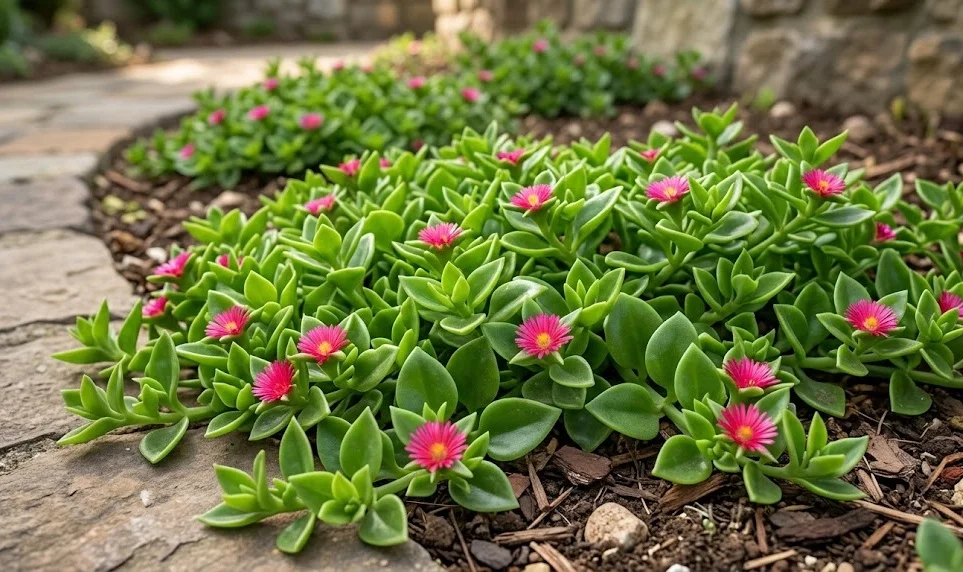

Establishing a new colony of these vibrant succulents is a rewarding endeavor that can be achieved with relative ease. The baby sun rose is known for its high success rate when it comes to both initial planting and various propagation methods. Whether you are starting from a nursery pot or taking cuttings from a friend, the process is straightforward and fast. By following a few professional guidelines, you can ensure that your new plants take root and begin to spread quickly.
The first step in a successful planting project is selecting the right location within your outdoor or indoor space. This plant requires a spot that receives ample sunlight to ensure the stems remain strong and the flowers develop fully. Soil drainage must be prioritized, as the most common reason for failure is planting in waterlogged ground. Preparing the site by loosening the soil and adding drainage-enhancing materials will pay off in the long run.
Timing is also an important factor to consider when introducing new plants to the garden. Spring is generally considered the best season for planting, as the rising temperatures encourage rapid root development. This allows the plant to become well-established before the intense heat of summer or the chill of winter arrives. If you are planting in a container, you have more flexibility, but the principle of warmth remains the same.
Once you have your site and timing sorted, the actual act of planting is quite simple. Dig a hole that is slightly larger than the root ball of the specimen you are installing. Gently loosen the roots if they have become pot-bound to encourage them to grow outward into the new soil. Place the plant in the hole, fill it with soil, and press down lightly to remove any large air pockets.
Effective propagation through stem cuttings
The most popular and efficient way to expand your collection of this plant is through the use of stem cuttings. Because each node has the ability to produce roots, even a small piece of the plant can become a new individual. Select a healthy, vigorous stem that is not currently in full bloom for the best results. A cutting of about ten to fifteen centimeters in length is usually sufficient to start the process.
More articles on this topic
After taking the cutting, it is essential to allow the wounded end to callouse over for a day or two. This prevents soil-borne pathogens from entering the stem and causing rot before roots can form. Keep the cuttings in a dry, shaded area during this brief waiting period to protect them from wilting. Once the end feels firm and dry, it is ready to be placed into the growing medium.
Insert the calloused end of the cutting into a moist, sandy soil mix, ensuring at least one or two nodes are buried. Roots will typically begin to emerge from these buried nodes within a week or two under the right conditions. Keep the soil slightly damp but never soaked during this critical initial phase of growth. Providing bright, indirect light will help the cutting focus its energy on root production rather than stretching.
You will know the propagation has been successful when you see new leaves beginning to form at the tip of the cutting. At this point, the young plant can be treated more like an adult specimen and gradually moved into brighter light. This method is so reliable that many gardeners find themselves with more plants than they originally planned for. Sharing these new starts with neighbors is a great way to spread the beauty of this succulent.
Seed propagation techniques for the patient gardener
While less common than cuttings, growing the baby sun rose from seed is a fascinating way to observe its entire life cycle. Seeds can be harvested from the small fruit capsules that form after the flowers have faded and dried on the plant. These seeds are quite small and require a gentle touch and a fine-textured starting mix to germinate successfully. This method is often used by those looking to produce a large number of plants at once.
More articles on this topic
Sow the seeds on the surface of a moist seed-starting mix and press them down very lightly. They require a bit of light to germinate, so do not bury them deep beneath the soil surface. Covering the tray with a clear plastic lid can help maintain the high humidity levels needed for the seeds to sprout. Place the tray in a warm spot with plenty of bright, filtered light but away from direct, scorching sun.
Germination usually occurs within two to three weeks, depending on the temperature and moisture consistency. Once the seedlings have developed their first set of true leaves, they are ready to be thinned or transplanted. Be very careful when handling these young plants, as their stems and roots are quite delicate at this stage. Gradually acclimate them to the outdoor environment over a period of several days.
Growing from seed takes longer than using cuttings, but it offers a sense of accomplishment that is unique to gardening. It also allows for the possibility of minor genetic variations, which can be interesting for the observant gardener. Most people find that a combination of both methods works best for maintaining a diverse and healthy garden. However, for quick results, the cutting method remains the undisputed king of propagation.
Site preparation and long term establishment
The long-term success of your planting efforts depends heavily on the initial preparation of the ground. Removing all existing weeds and grass from the area is vital to prevent competition for resources. Incorporating a small amount of slow-release fertilizer into the planting area can provide an initial boost for the young plants. Ensure that the soil is level and that there are no depressions where water might collect and sit.
When planting a large area for groundcover, space the individual plants about thirty to forty centimeters apart. While this might look sparse initially, the trailing stems will quickly fill in the gaps within a single growing season. This spacing allows each plant enough room to establish its own root system without being immediately crowded. As they grow, the stems will overlap to create a seamless green carpet.
After the initial planting, a light layer of fine mulch can help retain moisture while the roots are getting established. Be careful not to use heavy wood chips that might crush the delicate succulent stems or hold too much moisture against them. A thin layer of pea gravel or coarse sand is often a better choice for this type of plant. This also adds a decorative element that complements the desert-like aesthetic of the succulent.
Regular monitoring during the first few weeks is essential to ensure the new arrivals are adapting well to their home. If the weather is particularly hot and dry, you may need to provide supplemental water more frequently than you would for an established plant. Once you see vigorous new growth, you can begin to taper off the frequency of care. A well-planted baby sun rose is a gift that keeps on giving for many years to come.