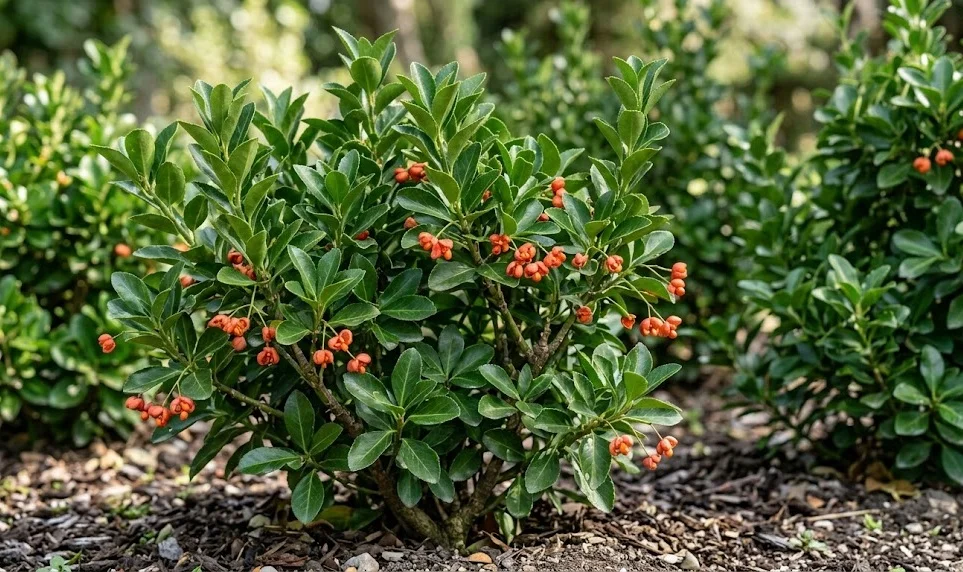

Preparing your evergreens for the cold months is a critical task that ensures they emerge in the spring without significant damage. While these plants are hardy, the combination of frozen ground and drying winds can lead to a condition known as winter burn. You should focus on ensuring the plant is well-hydrated before the ground freezes solid for the season. Taking a few simple steps in late autumn will provide the protection needed for the shrub to survive even harsh winter spells.
Mulching around the base of the plant is one of the most effective ways to regulate soil temperature during the winter. You should apply a layer of wood chips or shredded bark several inches thick to insulate the root zone. This layer helps prevent the repeated freezing and thawing cycles that can heave young plants out of the ground. Be careful not to pile the mulch directly against the main stem, as this can encourage rot or rodent damage.
In regions with particularly cold or drying winds, you might consider creating a temporary windbreak for your more exposed specimens. You can use burlap or similar breathable materials to shield the foliage from the harshest environmental elements. This prevents the leaves from losing moisture at a time when the roots cannot draw more water from the frozen soil. Avoid using plastic covers, as these can trap heat on sunny days and cause the plant to wake up prematurely.
Potted plants require extra attention because their root systems are much more exposed to the cold than those in the ground. You should move containers to a sheltered spot near a wall or group them together to conserve heat. In extreme cold, wrapping the pots in insulating material or bubble wrap can provide an extra layer of protection for the roots. Check the moisture level occasionally, as pots can dry out even in the middle of winter during dry, windy periods.
As the spring approaches, you should gradually remove any protective coverings to let the plant acclimate to the changing light levels. You might see some minor leaf browning, which can usually be pruned away once the danger of frost has passed. Do not be tempted to fertilize too early, as a sudden cold snap could damage any new, tender growth that is stimulated. Watching the buds carefully will tell you exactly when the plant is ready to begin its new cycle of growth.