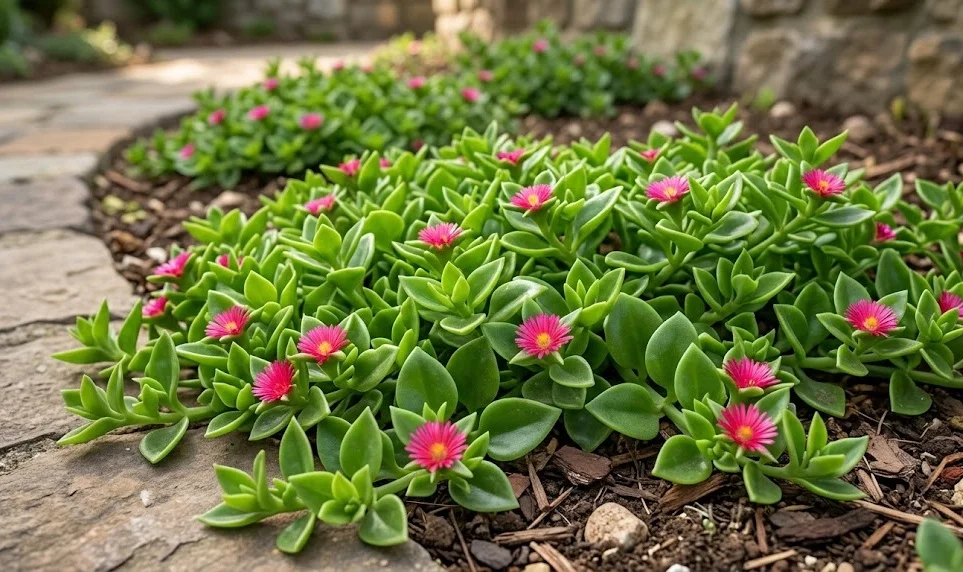

Maintaining the shape and health of this vigorous succulent often requires a bit of strategic pruning throughout the year. The baby sun rose is a fast grower, and without occasional intervention, it can become unruly or sparse in the center. Pruning not only keeps the plant looking its best but also encourages new, healthy growth and more prolific flowering. It is a simple task that, when done correctly, significantly enhances the overall aesthetic of your garden.
The primary reason to prune this plant is to control its spread and prevent it from invading areas where it is not wanted. Because the stems trail and root as they go, the plant can quickly cover large areas of the garden. By trimming the edges of the mat, you keep the succulent within its designated boundaries and maintain a neat appearance. This is especially important when growing it alongside slower-moving perennials or delicate flowers.
Another important goal of pruning is to remove any dead, damaged, or diseased stems that might be sapping the plant’s energy. In the early spring, you should look for any parts of the plant that suffered during the winter and cut them back to healthy tissue. Removing these sections prevents rot from spreading and makes room for the vibrant new growth of the season. A clean start in the spring leads to a much more beautiful display in the summer.
Pruning also helps to rejuvenate older plants that have become woody or leggy over time. As the plant ages, the center may lose its leaves, leaving a bare patch of stems while the new growth continues at the tips. Cutting back these long stems encourages the plant to sprout new shoots from the base, filling in the gaps and creating a denser mat. This cycle of cutting and regrowth keeps the plant looking youthful and vibrant for many years.
Techniques for effective pruning and shaping
When you are ready to prune, always use a pair of sharp, clean bypass pruners or heavy-duty garden scissors. Clean cuts heal much faster than jagged ones and are less likely to become an entry point for pests or diseases. Before you start, wipe the blades with rubbing alcohol to ensure you are not introducing any pathogens to the plant. This simple precaution is a hallmark of a professional gardener.
More articles on this topic
To encourage bushier growth, you can pinch off the tips of the young stems during the early part of the growing season. This removes the apical dominance and triggers the plant to produce multiple side shoots from the nodes below the cut. Doing this a few times in the spring will result in a much thicker and more compact plant with more flowering sites. It is an easy way to manipulate the plant’s form without taking away too much mass.
For more drastic rejuvenation, you can cut the entire plant back to within ten to fifteen centimeters of the ground. This might look a bit harsh at first, but the baby sun rose is incredibly resilient and will quickly bounce back with fresh energy. This type of heavy pruning is best done in the early spring just as the weather begins to warm up. Within a few weeks, you will see a carpet of new green leaves beginning to cover the area.
Always make your cuts just above a leaf node, which is the point where a leaf or side branch attaches to the main stem. This is where the plant’s growth cells are most active, ensuring that new shoots will emerge quickly from the site of the cut. Avoid leaving long “stubs” of stem, as these will simply die back and can become unsightly or attract rot. Precision in your pruning leads to a much healthier and more attractive result.
Handling cuttings and post pruning care
One of the best things about pruning this succulent is that every healthy piece you cut off can be used to start a new plant. Instead of throwing away the trimmings, you can turn them into a new generation of baby sun roses for other parts of your garden. Simply follow the propagation techniques of callousing the ends and planting them in well-drained soil. This makes pruning a productive and rewarding task rather than just a chore.
More articles on this topic
After a heavy pruning session, it is a good idea to provide the plant with a light watering to help it recover from the stress. However, avoid soaking the soil, as the reduced amount of foliage means the plant will be taking up less water than usual. A small amount of balanced fertilizer can also help support the rapid new growth that will follow the pruning. The goal is to provide the plant with the resources it needs to rebuild itself.
Monitor the plant closely for a few days after pruning to ensure that the cut ends are healing properly. In very humid weather, you may want to keep the area a bit drier to prevent any fungal issues on the fresh wounds. The plant should form a natural callous over the cuts within forty-eight hours, effectively sealing itself off. If you see any signs of stem rot, remove the affected part immediately and adjust your care.
Finally, remember that pruning is an ongoing part of the gardening process rather than a one-time event. Regularly spending a few minutes to tidy up your plants keeps the task manageable and the garden looking its best. The baby sun rose responds very well to being handled and shaped, making it a joy to work with. With a little bit of regular attention, you can maintain a spectacular and healthy succulent display all year long.