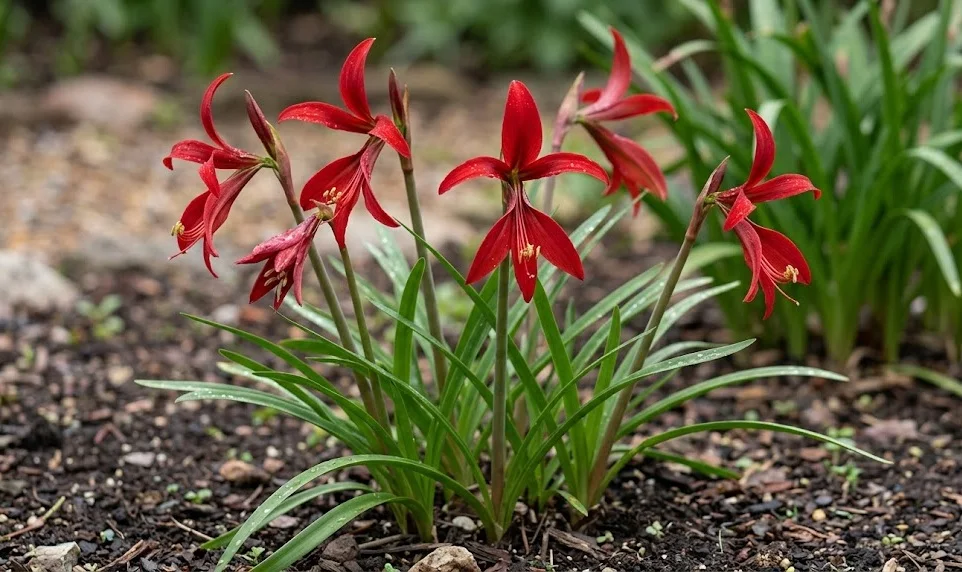

Maintaining the health of the aztec lily requires a proactive approach to identifying and managing the various biological threats it may encounter. While this species is relatively robust, it is not immune to the challenges posed by fungal pathogens and opportunistic insect pests. A professional gardener must be equipped with the knowledge to recognize the early warning signs of trouble before a small issue becomes a full-blown crisis. Protecting your plants from these threats is essential for ensuring they return year after year with their characteristic vigor.
Identifying and managing common fungal infections
Fungal diseases are perhaps the most common health issues faced by bulbous plants, especially in climates with high humidity or poor air circulation. One of the most recognizable signs of a fungal problem is the appearance of spots or blights on the green foliage. These spots can range in color from brown to gray and may eventually cause the entire leaf to yellow and die prematurely. If you notice these symptoms, it is crucial to act quickly to prevent the spores from spreading to neighboring plants.
Improving the environment is often the first and most effective step in controlling fungal outbreaks. You should ensure that your plants have plenty of space for air to move freely around the leaves and stems. Avoid overhead watering, which leaves moisture on the foliage for extended periods, providing the perfect breeding ground for fungi. If a plant is severely infected, the most responsible course of action is to remove and destroy the affected leaves immediately.
Fungicidal treatments can be used as a secondary measure if environmental adjustments are not enough to stop the spread of the disease. There are many professional-grade products available that are specifically formulated for use on ornamental bulbs and flowers. Always follow the manufacturer’s instructions carefully to ensure the safety of both the plant and the surrounding environment. Preventive applications in the early spring can also be a wise strategy if you have struggled with fungal issues in previous years.
Root and bulb rot are more serious fungal conditions that occur below the soil surface and are often harder to detect in the early stages. If a plant looks wilted despite having moist soil, or if it fails to grow at all, the cause may be a compromised root system. Gently excavating the bulb to inspect it for soft, dark, or foul-smelling areas will confirm the diagnosis of rot. Unfortunately, a severely rotted bulb is rarely salvageable and should be discarded to prevent the infection from lingering in the soil.
More articles on this topic
Specialized strategies for preventing bulb rot
Bulb rot is almost always a consequence of excess moisture and poor drainage in the growing environment. To prevent this devastating condition, you must be disciplined about your watering routine and ensure your soil mix is appropriately porous. Using a raised bed or a container with multiple drainage holes is a fundamental requirement for the long-term safety of the bulb. A professional gardener views drainage not just as a recommendation but as a critical life-support system for the plant.
When planting, you can add a layer of coarse gravel or expanded clay pebbles at the bottom of the pot to further enhance the movement of water. This creates a “safety zone” where excess water can collect and drain away without sitting directly against the roots and bulb base. If your garden has heavy clay soil, consider incorporating large amounts of organic matter and grit to break up the dense structure. These physical improvements to the planting site are the best insurance policy against the onset of rot.
The position of the bulb in the soil also plays a role in preventing moisture-related decay at the crown. As mentioned in previous chapters, keeping the neck of the bulb slightly above the soil line is a proven technique for success. This prevents water from pooling in the top of the bulb after irrigation or heavy rainfall, which is a common entry point for pathogens. This simple adjustment in planting depth can significantly reduce the risk of losing a prized specimen to avoidable rot.
During the dormant period, it is even more critical to keep the bulbs dry and protected from any source of unwanted moisture. If you are storing bulbs indoors, check them periodically for any signs of mold or softening. If you find a small spot of rot on an otherwise healthy bulb, you may be able to cut it away with a sterile knife and treat the area with sulfur powder. However, this is a last-resort measure and is not always successful, highlighting the importance of prevention over cure.
More articles on this topic
Identifying and controlling insect pests
A variety of insects can find the lush growth of the aztec lily quite attractive, potentially leading to significant cosmetic and physical damage. Thrips are among the most common pests, appearing as tiny, slender insects that rasp at the leaf surface and cause a silvery or distorted appearance. They are often found hiding deep within the folds of the emerging leaves or inside the flower buds themselves. Early detection is key, so keep a close eye on any new growth for these telltale signs of activity.
Aphids and mealybugs can also become a problem, especially for plants grown in sheltered environments like greenhouses or indoor sunrooms. These sap-sucking insects can weaken the plant and may also act as vectors for various viral diseases. You will often see them clustered on the tender new stems or the undersides of the leaves. A strong stream of water can sometimes be enough to dislodge light infestations, but more persistent populations will require a different approach.
Spider mites may thrive in hot, dry conditions and can quickly spin fine webs over the foliage if left unchecked. These pests cause the leaves to take on a stippled, yellowed appearance as they drain the plant’s vital fluids. Increasing the local humidity and keeping the plant well-hydrated can help discourage mites from establishing a colony. If you suspect an infestation, a simple magnifying glass can help you confirm the presence of these nearly microscopic arachnids.
Slug and snail damage is often the most visible and dramatic, characterized by large, ragged holes in the leaves and petals. These pests are mostly active at night and prefer moist, shady conditions where they can hide during the heat of the day. Using organic baits or physical barriers like copper tape can be effective ways to protect your garden plants from these hungry mollusks. Regular nocturnal inspections with a flashlight can also help you identify and remove the culprits manually.
Professional organic pest management techniques
Managing pests in a responsible way involves using the least toxic methods first to preserve the balance of your garden’s ecosystem. Insecticidal soaps and horticultural oils are excellent organic choices for controlling many soft-bodied insects like aphids and mites. These products work by physical contact, so you must ensure thorough coverage of all plant surfaces, including the undersides of the leaves. They have the advantage of being safe for most beneficial insects once the spray has dried on the plant.
Neem oil is another versatile organic tool that acts as both a pesticide and a repellent for a wide range of common garden pests. It also has some antifungal properties, making it a valuable all-around protector for your exotic lily collection. You should apply neem oil in the evening or on a cloudy day to avoid the risk of leaf burn under intense sunlight. Consistency is important with organic treatments, as they often need to be reapplied more frequently than harsh chemical alternatives.
Encouraging natural predators into your garden is a long-term professional strategy for keeping pest populations under control. Ladybugs, lacewings, and predatory mites are all valuable allies that will feed on common pests like aphids and thrips. You can attract these beneficial insects by planting a variety of flowering herbs and native plants nearby to provide them with food and shelter. A diverse and healthy garden environment is much less likely to suffer from devastating pest outbreaks.
Manual removal of pests can be a highly effective and immediate solution for small collections or localized infestations. Simply wiping away aphids with a damp cloth or picking off larger caterpillars can save you from having to use any sprays at all. This hands-on approach also gives you a chance to inspect the overall health of your plants more closely. Being an active and observant participant in your garden is the best way to maintain a pest-free environment.
Long-term prevention and garden hygiene
Good garden hygiene is the ultimate defense against the establishment and spread of both diseases and pests. You should always use clean, sterilized tools when pruning or handling your bulbs to avoid cross-contaminating different plants. Cleaning your pots and trays with a mild bleach solution before reuse is another simple but essential professional practice. These small habits significantly reduce the reservoir of pathogens and pests that might be lurking in your gardening area.
Removing all plant debris from the garden at the end of the growing season is a critical step in preventing overwintering problems. Fallen leaves and spent flower stalks can provide a perfect sanctuary for pest eggs and fungal spores through the winter months. Dispose of this material in the trash or a high-heat compost pile rather than leaving it to decay near your healthy plants. A clean garden in the autumn sets the stage for a successful and healthy start in the following spring.
Regularly monitoring your plants and keeping detailed records of any issues can help you identify patterns and anticipate potential problems. If you know that thrips always appear in June, you can start your preventative treatments in late May to stay ahead of the curve. Understanding the specific timing and conditions that favor certain pests allows you to be more proactive and less reactive. Professional plant protection is as much about foresight and planning as it is about immediate action.
Finally, ensuring that your plants are as healthy and vigorous as possible is the best way to help them resist all types of biological stress. A well-fed, properly hydrated plant with ideal lighting is naturally more resilient than one that is struggling with poor environmental conditions. Think of your care routine as a way to boost the plant’s own immune system, making it a less attractive target for pests and diseases. When you provide professional-level care, the plant is much better equipped to handle the occasional challenge that nature throws its way.