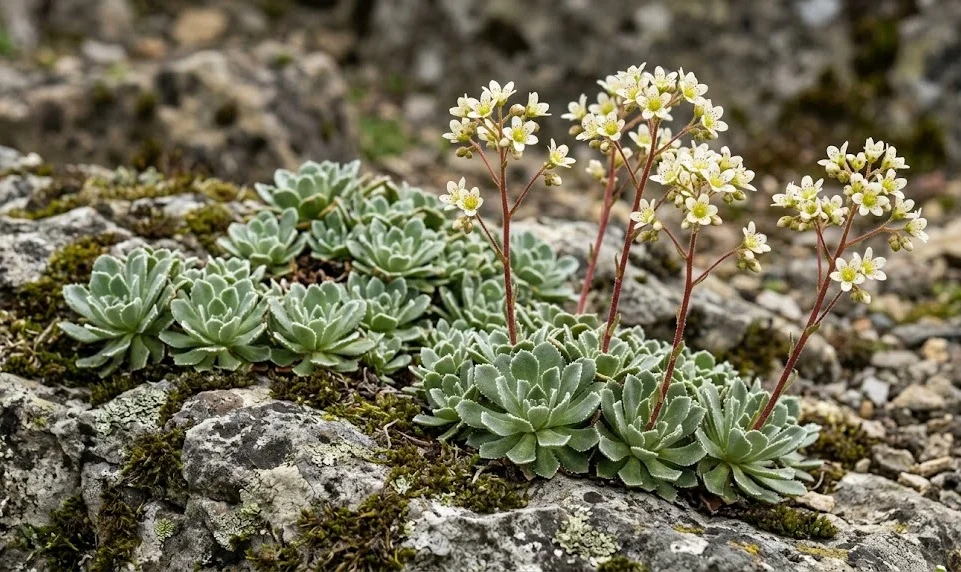

The lifelong saxifrage is a resilient alpine perennial that thrives in rock gardens and crevices where many other plants struggle to survive. This species is particularly noted for its distinctive rosettes of leathery leaves that often exhibit tiny white lime deposits along the edges. Cultivating this plant requires a delicate balance between providing enough moisture and ensuring impeccable drainage to prevent root rot. Success with this variety begins with understanding its natural mountain habitat and replicating those conditions as closely as possible in a domestic setting.
Selecting the right location is the primary step in ensuring the long-term vitality of these fascinating alpine clusters. These plants naturally grow on limestone cliffs, so they appreciate a site that offers cool root zones and plenty of air circulation. Many gardeners find that placing them in east-facing crevices allows the plant to enjoy morning sun without being scorched by afternoon heat. Consistent observation during the first growing season helps identify if the chosen microclimate meets the specific needs of the rosettes.
The unique physiological features of the plant, such as its ability to excrete excess calcium carbonate through pores, make it a true specialist. This adaptation allows the plant to thrive in mineral-rich environments that would be toxic to many other garden species. Understanding these biological mechanisms helps a gardener appreciate why the plant behaves differently than standard border perennials. Observing the silver-edged leaves is often a sign of a healthy, functioning mineral processing system within the plant tissues.
While the species is generally considered low-maintenance, it does require a mindful approach to prevent it from being overwhelmed by more aggressive neighbors. Its slow-growing nature means that regular weeding is essential to keep the rosettes from being shaded out by faster-growing weeds. Maintaining clear space around the perimeter of the colony ensures that the plant can expand its mat-like structure naturally over the years. A professional approach involves treating the plant as a structural element of the rockery rather than a filler.
Essential soil characteristics and substrate composition
The foundation of lifelong saxifrage care lies in the physical and chemical properties of the substrate provided. A gritty, lean soil mixture is mandatory to mimic the high-altitude rocky slopes where these plants originate. Professionals often recommend a blend of crushed limestone, sharp sand, and a small amount of leaf mold to provide minimal nutrients. This mixture ensures that water moves quickly through the root zone, preventing any standing moisture that could lead to decay.
More articles on this topic
Porosity is perhaps the most critical factor when preparing a bed or a container for this particular alpine species. The roots require constant access to oxygen, which is only possible in a substrate that maintains its structure over time without compacting. Incorporating larger grit or small pebbles into the mix helps create those essential air pockets that the plant loves. Heavy clay soils must be avoided at all costs, as they trap water and suffocate the delicate root system during the rainy months.
Chemical balance is also worth considering, as this saxifrage is a calciphile, meaning it actively seeks out calcium-rich environments. If the local soil is naturally acidic, adding lime or using limestone chippings as a top dressing can help create a more favorable pH level. This alkalinity supports the plant’s unique mineral-handling processes and helps maintain the characteristic silver edges on the foliage. Without adequate calcium, the plant may grow more slowly and lose some of its ornamental appeal.
Surface mulching is another professional secret that helps regulate the soil temperature and moisture levels around the rosettes. Using a layer of light-colored stone chippings prevents the soil from heating up too much under the summer sun. It also keeps the foliage away from direct contact with damp soil, which significantly reduces the risk of fungal infections on the lower leaves. A well-placed stone mulch also provides a beautiful aesthetic contrast to the dark green and silver foliage.
Seasonal maintenance rhythms throughout the year
During the spring months, the focus should shift toward clearing away any debris that may have accumulated over the winter. This is the time when the plant begins its active growth phase and prepares for its delicate flowering season. Gently removing dead rosettes from the previous year allows more light and air to reach the healthy parts of the colony. It is also an ideal time to check for any lifting of the rosettes caused by frost heave in the preceding months.
More articles on this topic
Summer care is largely centered on monitoring hydration and preventing heat stress during prolonged dry spells. While established plants are quite drought-tolerant, young colonies may need occasional deep watering to stay vibrant. It is always better to water early in the morning so that any moisture on the leaves has time to evaporate before the sun gets too strong. Avoid overhead irrigation if possible, as water trapped in the center of the rosettes can cause scorching or rot.
As autumn approaches, the plant begins to slow its metabolic processes in preparation for the colder months ahead. This is a good time to perform a final weeding and ensure that the surrounding drainage channels are clear of fallen leaves. Reducing any supplemental watering allows the plant to naturally harden off its tissues before the first hard freeze. Professionals often use this period to assess the overall health of the colony and plan for any necessary divisions in the following spring.
Winter care is mostly hands-off, provided the initial planting site was chosen with drainage in mind. The primary threat during the dormant season is not the cold itself, but rather the combination of cold and excessive wetness. In regions with high winter rainfall, a temporary glass or plastic cover can protect particularly prized specimens from rotting. Snow cover is actually beneficial, as it acts as an insulating blanket against fluctuating temperatures and drying winds.
Managing lime secretions and foliage health
The distinctive white crust found on the margins of the leaves is a natural biological process known as guttation. The plant takes up mineral-rich water and, through specialized pores called hydathodes, excretes the excess lime onto the leaf surface. This process creates a beautiful silver-beaded effect that is highly sought after by alpine plant collectors and rock gardeners. It is important not to try and wash these deposits off, as they are a natural part of the plant’s identity and protection.
Maintaining the health of the foliage requires a watchful eye for any signs of discoloration or softening of the leaves. Healthy leaves should feel firm and somewhat leathery to the touch, reflecting their ability to store small amounts of water. If the rosettes begin to look dull or shriveled, it may indicate a problem with the roots or a severe lack of minerals in the soil. Regular inspection helps catch these issues before they affect the entire mat or colony.
Good air circulation is paramount for keeping the foliage dry and preventing the buildup of mold or mildew. When planting in a rock garden, ensure that there is enough space between the rosettes and surrounding stones for air to flow freely. If the plant becomes too dense, it may benefit from a light thinning to improve the microclimate within the clump. This practice is especially important in humid climates where the air tends to be stagnant during the summer months.
The aesthetic appeal of the foliage can be enhanced by occasionally clearing away any dust or garden debris that settles on the rosettes. A soft brush can be used to gently clean the leaves without damaging the delicate lime crust or the plant’s surface. This small task not only makes the plant look better but also ensures that the leaves can photosynthesize efficiently. Taking pride in these small details is what separates a casual gardener from a true alpine specialist.
Strategic integration into the rock garden
When designing a rockery, the placement of lifelong saxifrage should be both functional and visually pleasing. Placing them in vertical or near-vertical crevices mimics their natural habitat and provides the best possible drainage. The visual contrast between the hard, dark stone and the delicate, silver-rimmed rosettes creates a stunning focal point. Professional landscapers often use them to soften the hard lines of large boulders or stone steps.
Considering the eventual spread of the plant is vital when choosing its neighbors in a garden layout. Since it grows as a slow-spreading mat, it should be paired with other low-growing alpines that share its environmental requirements. Avoid planting it near large, leafy perennials that might cast too much shade or drop heavy leaf litter on the rosettes. Good companions include smaller sedums, sempervivums, or dwarf bellflowers that thrive in similar rocky conditions.
The height at which these plants are viewed can significantly impact the appreciation of their fine details. Planting them in raised beds or atop stone walls brings the intricate rosettes closer to eye level for easier observation. This elevation also helps ensure that the drainage is naturally pulled away from the crown of the plant. A well-designed alpine trough or container can also serve as an excellent home for showcasing the specific beauty of this species.
Using local stone for the rockery not only looks more natural but can also influence the health of the plant. If the local stone is limestone, it will naturally contribute to the alkaline environment that these saxifrages prefer. If using inert stones like granite, you may need to be more proactive in adding mineral supplements to the substrate. Matching the plant to the geology of the garden creates a more cohesive and sustainable ecosystem for the long term.
Growth monitoring and colonizing habits
Over time, a single rosette will produce smaller offsets around its base, gradually forming a dense and beautiful cushion. Monitoring this growth helps the gardener understand the vigor of the plant and whether it is truly happy in its current location. A healthy colony should appear tight and uniform, with no large gaps or brown patches in the middle of the mat. If the center of the cushion begins to die out, it may be a sign that the plant needs to be divided and replanted.
The rate of expansion depends heavily on the availability of moisture and the intensity of the light it receives. While we want the plant to grow, a very rapid, lanky growth habit might indicate that the soil is too rich or the light is too dim. The most prized specimens are those that remain compact and keep their rosettes tightly packed against the stone. Observing the density of the rosettes is a great way to gauge if your maintenance routine is hitting the mark.
Flowering is a spectacular event that usually occurs in early to mid-summer, with tall, branched stems rising above the foliage. Each stem carries numerous small, star-shaped flowers that add a different dimension to the plant’s appearance. While the flowers are beautiful, they do require a significant amount of energy from the plant to produce. After the blooming period ends, the flowering stalks should be removed to redirect energy back into the growth of the rosettes.
Understanding the lifespan of individual rosettes is key to managing the overall health of the colony. Each rosette is monocarpic, meaning it will die after it produces a flower stalk, but the surrounding offsets will quickly fill the space. This natural cycle of renewal keeps the cushion looking fresh and vibrant for many years if managed correctly. By allowing this process to happen naturally, the gardener supports the plant’s inherent survival strategy.
Professional tips for long term success
One of the most important professional tips for saxifrage enthusiasts is to avoid the temptation to over-fertilize the plant. These are high-altitude survivors that are adapted to very lean conditions, and too much nitrogen will lead to soft, weak growth. If you feel the plant needs a boost, a very dilute, low-nitrogen liquid feed applied once in the spring is more than sufficient. Always remember that in the world of alpine gardening, less is often more when it comes to nutrients.
Consistency in your care routine is much more beneficial than sporadic bursts of heavy maintenance. Checking the moisture levels and the physical state of the rosettes once a week allows you to catch minor issues before they become disasters. This “little and often” approach ensures that the plant never experiences extreme stress, which can weaken its immune system. Developing a keen eye for the subtle changes in the plant’s appearance is a skill that comes with time and patience.
Record keeping can be an invaluable tool for anyone looking to master the art of growing specific alpine species. Noting down the dates of flowering, the timing of divisions, and the weather conditions during the year provides a clear picture of what works. This data helps you refine your care techniques for future seasons and even for other related species in your collection. A professional gardener is always a student of their own garden’s unique microclimates and challenges.
Finally, don’t be afraid to experiment with different placements and substrate mixes to see what your specific plants prefer. Every garden is different, and what works in a nursery setting might need adjustment in your particular backyard. Sharing experiences and offsets with other gardeners is also a great way to ensure the survival of your collection. Passion for these small but mighty plants is what keeps the tradition of alpine gardening alive and thriving for future generations.